

In the world of architecture and design, every detail matters. From the curve of a staircase to the texture of a wall, each element contributes to the story a building tells. Lately, there's one material that's been stealing the spotlight in both residential and commercial projects: MCM flexible cladding stone wall panels. These innovative panels have redefined what's possible for exteriors and interiors, blending durability with design flexibility in a way that traditional materials simply can't match. But here's the thing—finding the right supplier for these panels (and all your other building materials) can be just as crucial as the panels themselves. That's where one-stop architectural solution providers like Coloria come in. Let's dive into why choosing a one-stop supplier isn't just a convenience, but a game-changer for anyone building or renovating.
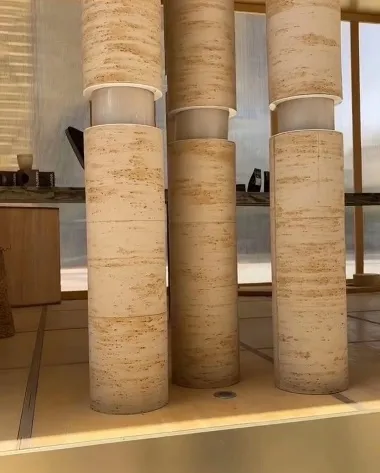
First, let's talk about why MCM panels are everywhere these days. MCM, or Metal Composite Material, is a sandwich-like material made by bonding two thin metal sheets (usually aluminum) to a non-aluminum core. When crafted into flexible cladding stone wall panels, the result is a product that's lightweight, incredibly strong, and surprisingly bendable. Imagine being able to wrap a stone-like texture around a curved wall or a rounded column without cracking or compromising structural integrity—that's the magic of MCM flexible cladding.
Architects and designers love them for their versatility. Whether you're aiming for a sleek, modern look for a commercial high-rise or a warm, rustic vibe for a residential home, MCM panels can mimic the appearance of natural stone, wood, or even concrete, all while weighing up to 70% less than traditional stone. This lightweight nature makes installation faster and more cost-effective, reducing labor time and structural load. And let's not forget durability: MCM panels are resistant to fire, water, UV rays, and even impact, making them ideal for both exterior facades exposed to the elements and high-traffic interior spaces.
But it's not just about function—sustainability plays a big role too. Many MCM panels are made with recycled materials and are 100% recyclable at the end of their lifecycle, aligning with the growing demand for eco-friendly building practices. For homeowners and developers alike, this means investing in a material that looks good, lasts long, and leaves a smaller environmental footprint. It's no wonder MCM flexible cladding stone wall panels have become a go-to choice for projects ranging from boutique hotels to suburban homes.

So, you've decided MCM panels are perfect for your project—great! Now, where do you buy them? If you're like most builders, architects, or homeowners, you might start by searching for an "mcm flexible cladding stone wall panel supplier" online. But here's the catch: MCM panels are just one piece of the puzzle. Your project might also need flooring, ceiling solutions, pipes, or even custom furniture. Before you know it, you're juggling five different suppliers, each with their own lead times, quality standards, and communication styles. Sound familiar?
Let's break down the hidden costs of this approach. First, communication becomes a nightmare. Coordinating with multiple suppliers means endless emails, calls, and follow-ups. If your MCM panels arrive late, your flooring supplier can't start their work, which delays the ceiling team, and suddenly your entire timeline is thrown off. Then there's quality control. One supplier might deliver top-notch MCM panels, but the bamboo charcoal board wall panels from another could be subpar, leaving you with inconsistent results that hurt the overall aesthetic of your project. And let's not forget the financial strain: ordering from multiple suppliers often means paying separate shipping fees, minimum order quantities, and even higher prices since you're not leveraging bulk buying power.
I once spoke with a residential builder who told me about a project where they sourced MCM panels from one supplier, bamboo charcoal boards from another, and flooring from a third. The MCM panels arrived with a color mismatch, the bamboo boards had visible defects, and the flooring was delivered two weeks late. By the time they resolved these issues, the project was over a month behind schedule, and they'd spent thousands on extra labor and rush fees. "I felt like I was managing a supply chain instead of building a house," they said. Unfortunately, this story isn't unique—it's the reality of working with multiple suppliers.
This is where one-stop architectural solution providers step in. Think of them as your building materials concierge—they handle everything from MCM panels to pipes to custom furniture, all under one roof. Instead of coordinating with five suppliers, you have a single point of contact who understands your project's vision, timeline, and budget. It's like having a dedicated team that's invested in your success, not just selling you a product.
Coloria, for example, isn't just an "mcm flexible cladding stone wall panel supplier"—they're a full-service partner. As a "one-stop architectural solution provider," they offer a wide range of products tailored to both residential and commercial needs. Whether you're building a luxury home (making them your go-to "residential building materials supplier") or a state-of-the-art office complex (your trusted "commercial building materials supplier"), they've got you covered. This breadth of offerings means you can source MCM panels for the exterior, bamboo charcoal board wall panels for the interior accent walls, and even flooring solutions—all from the same team that knows your project inside out.
But the benefits go beyond convenience. One-stop suppliers like Coloria have strict quality control processes across all their products. Since they're responsible for every material that leaves their warehouse, they have a vested interest in ensuring consistency. No more worrying if your MCM panels will match your bamboo charcoal boards—they're all tested and approved to meet the same high standards. Plus, with a single supplier, you'll often get better pricing. Buying multiple products in bulk means you can negotiate better deals, and you'll save on shipping and handling fees that add up quickly with multiple vendors.
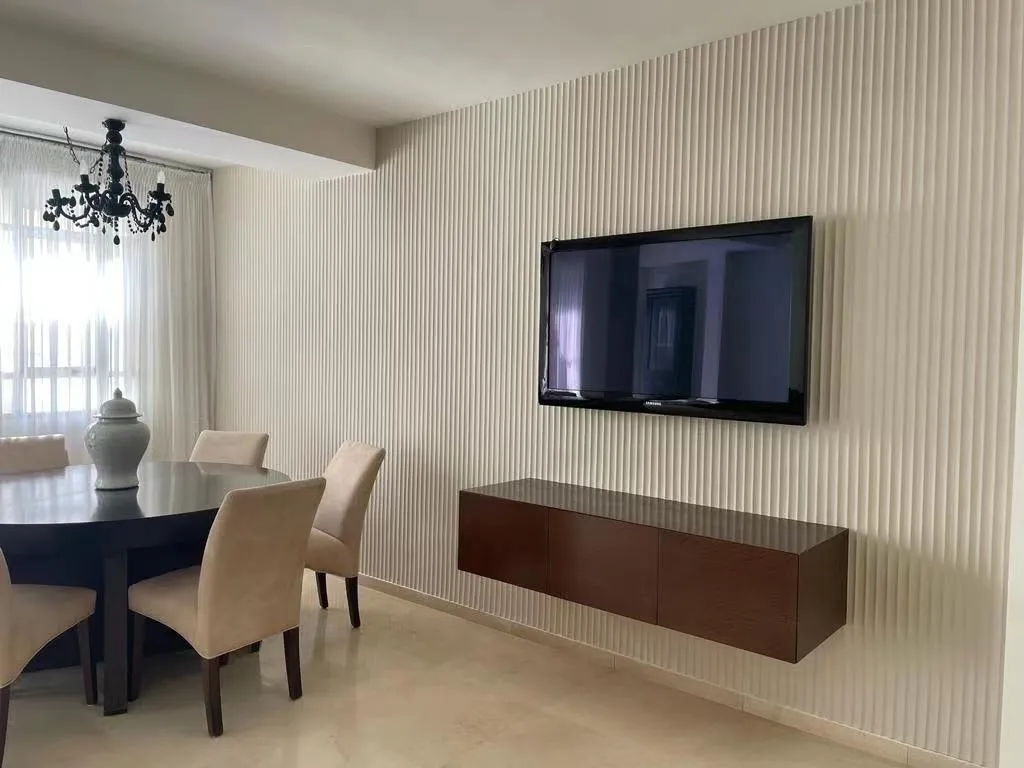
Let's take a closer look at what makes Coloria stand out as a one-stop supplier. Yes, they're experts in MCM flexible cladding stone wall panels, but their product range is designed to support your entire project. For residential projects, they offer everything from warm, natural bamboo charcoal board wall panels (a favorite for eco-conscious homeowners) to durable WPC wall panels that add texture to living spaces. For commercial clients, their Class A fireproof CPL inorganic boards are a hit in hospitals and schools, where safety and hygiene are top priorities. And if you need something custom? Their team works closely with designers to create unique solutions, whether it's a bespoke pattern for your MCM panels or custom-sized porcelain slab tiles for a feature wall.
What really sets Coloria apart, though, is their commitment to customer support. Building projects are stressful enough—you don't need the added pressure of chasing down suppliers. Coloria assigns a dedicated project manager to every client, someone who stays with you from the initial consultation to the final delivery. This manager knows your timeline, your budget, and your design goals, and they act as your advocate, resolving issues before they become problems. One commercial developer I spoke with mentioned that during a tight deadline for a hotel project, Coloria's project manager noticed a potential delay in the MCM panel shipment and proactively arranged for expedited delivery at no extra cost. "That's the kind of partnership you can't put a price on," they said.
Another advantage? Coloria's deep industry knowledge. They're not just selling materials—they're sharing expertise. Their team stays up-to-date on the latest trends, building codes, and sustainability practices, so they can offer advice on which materials work best for your specific climate, project type, or design vision. For example, if you're building in a coastal area with high humidity, they might recommend PU stone wall panels over traditional stone for better resistance to moisture. Or if you're aiming for LEED certification, they can guide you toward their most eco-friendly options, like recycled-content MCM panels or low-VOC bamboo charcoal boards.

| Factor | Working with Multiple Suppliers | Working with Coloria (One-Stop Supplier) |
|---|---|---|
| Communication | Multiple points of contact; endless emails/calls | Single dedicated project manager; streamlined updates |
| Quality Control | Inconsistent standards across materials | Uniform quality checks for all products |
| Timeline | Risk of delays due to supplier coordination issues | Coordinated delivery schedules; proactive delay mitigation |
| Cost | Higher shipping fees; no bulk pricing benefits | Consolidated shipping; bulk discounts available |
| Support | Limited accountability; blame-shifting between suppliers | End-to-end support; single point of responsibility |
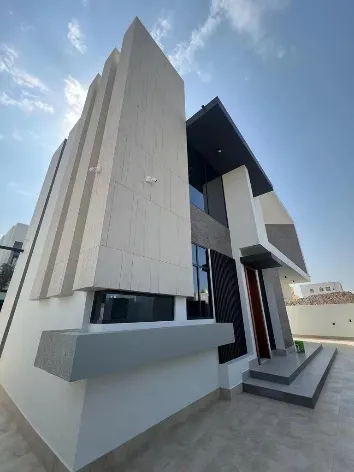
A homeowner in Miami wanted to renovate their beachfront property with durable, weather-resistant materials that still felt warm and inviting. They chose Coloria for MCM flexible cladding stone wall panels for the exterior (to withstand saltwater and humidity) and bamboo charcoal board wall panels for the interior (for their natural, toxin-absorbing properties). Coloria's project manager recommended adding PU stone wall panels to the patio area for a cohesive look, and coordinated delivery so all materials arrived in time for the contractor's schedule. The result? A home that looks stunning, holds up to coastal conditions, and was completed two weeks ahead of schedule.
A developer in Chicago was building a 10-story office complex with a modern, industrial aesthetic. They needed MCM panels for the facade, terrazzo tiles for the lobby flooring, and Class A fireproof CPL inorganic boards for the stairwells. By choosing Coloria as their one-stop supplier, they eliminated the need to coordinate with three separate vendors. Coloria's team even provided 3D renderings to help visualize how the materials would work together, and adjusted the MCM panel color slightly to complement the terrazzo tiles. The project was delivered on time, under budget, and the developer has since used Coloria for three more buildings.
At the end of the day, building or renovating is about bringing a vision to life. The right materials can make that vision a reality, but the right supplier can make the process feel manageable—even enjoyable. Coloria isn't just an "mcm flexible cladding stone wall panel supplier" or a "residential building materials supplier" or a "commercial building materials supplier"—they're a partner who understands that your success is their success.
Whether you're a homeowner looking to update your living room with bamboo charcoal board wall panels, an architect designing a cutting-edge commercial space with MCM cladding, or a builder managing a large-scale development, Coloria simplifies the process. With their one-stop approach, you'll save time, reduce stress, and get consistent, high-quality materials that make your project shine. So why juggle multiple suppliers when you can have a single partner who's with you every step of the way?
The next time you're planning a project, ask yourself: Do I want to spend my time coordinating with suppliers, or do I want to focus on creating something amazing? If it's the latter, Coloria is ready to help. After all, building shouldn't be about the materials—it should be about the story those materials tell. And with Coloria, that story is sure to be a masterpiece.
Recommend Products











