

In the ever-evolving world of construction, the demand for materials that seamlessly blend aesthetics, functionality, and sustainability has never been higher. Architects, builders, and developers are no longer satisfied with one-dimensional solutions—they seek materials that can transform visions into reality while standing the test of time. Enter MCM flexible cladding stone wall panels: a revolutionary product that has redefined what's possible in architectural design. More than just a building material, these panels represent a shift toward smarter, more adaptable construction practices, offering the timeless beauty of natural stone with a host of modern advantages. As a leading mcm flexible cladding stone wall panel supplier, we've witnessed firsthand how these panels are reshaping skylines, from residential neighborhoods to commercial hubs, and setting new standards for what constitutes a "future-ready" building material.
Before diving into their benefits, it's essential to understand what MCM panels are. MCM, or Metal Composite Material, is a sandwich-structured material consisting of two thin metal skins (typically aluminum) bonded to a non-aluminum core. When designed to mimic stone, these panels undergo a specialized coating process that replicates the texture, color, and depth of natural stone—think granite, marble, or slate—without the weight or brittleness of the real thing. The "flexible" aspect is key: unlike rigid natural stone or traditional cladding materials, MCM panels can bend, curve, and conform to complex architectural shapes, making them a favorite among designers aiming to push creative boundaries. As a provider of mcm flexible cladding stone wall panel solutions, we often describe them as "stone with a backbone"—combining the organic beauty of natural materials with the structural versatility of modern engineering.
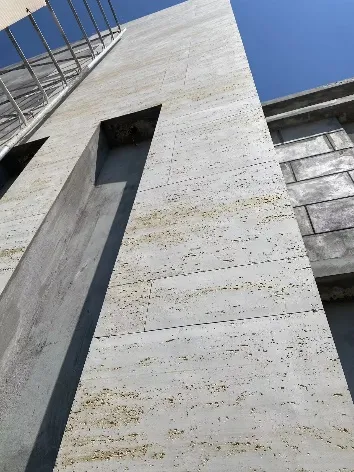
One of the most celebrated attributes of MCM flexible cladding stone wall panels is their unparalleled design flexibility. Traditional cladding materials like natural stone or brick are inherently rigid, limiting architects to straight lines and simple geometries. MCM panels, by contrast, are engineered to be malleable. They can be curved to follow the contour of a building's facade, cut into intricate patterns, or even shaped into 3D forms that create dynamic shadows and visual interest. This flexibility opens up a world of possibilities: imagine a commercial building with a sweeping, wave-like exterior, or a residential home with a curved accent wall that mimics the flow of a natural landscape. As a supplier, we've worked on projects ranging from minimalist office towers to whimsical retail spaces, and in each case, MCM panels have proven to be the canvas upon which architects paint their most ambitious ideas.
Beyond shape, MCM panels offer exceptional versatility in texture and color. Through advanced coating technologies, manufacturers can replicate the exact look of rare stones—from the veining of Italian marble to the ruggedness of Swiss mountain stone—without the logistical challenges of sourcing and transporting heavy natural materials. This means developers in regions like Saudi Arabia, where access to certain natural stones is limited, can still achieve a high-end aesthetic using locally supplied MCM panels. Whether a project calls for a matte finish, a glossy sheen, or a weathered, rustic texture, MCM solutions can be tailored to match. For clients seeking a truly unique look, custom color matching and pattern development are also available, ensuring that no two projects feel identical. In short, MCM panels don't just fit into design plans—they elevate them.
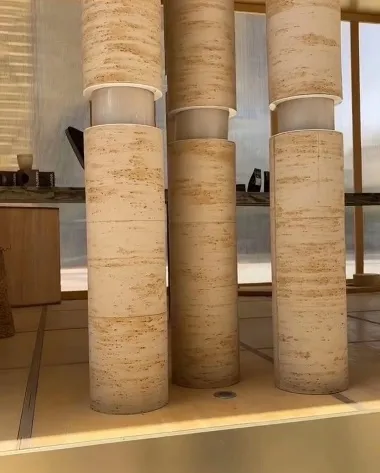
In construction, beauty is only skin deep if the material beneath can't withstand the elements. MCM flexible cladding stone wall panels excel here, offering durability that rivals—and often surpasses—traditional cladding options. The aluminum skins of MCM panels are inherently resistant to corrosion, while the core material is engineered to be fire-retardant, moisture-proof, and impervious to pests. This combination makes MCM panels ideal for harsh climates, from the scorching heat and sandstorms of Saudi Arabia to the freezing temperatures and heavy snowfall of northern regions. Unlike natural stone, which can crack under thermal expansion or absorb water and develop mold, MCM panels maintain their integrity year after year, requiring minimal maintenance to keep their appearance intact.
Another aspect of their durability is impact resistance. In high-traffic commercial areas or busy residential neighborhoods, accidental collisions with equipment, vehicles, or even severe weather events like hailstorms are a real risk. MCM panels are designed to absorb minor impacts without denting or chipping, and in cases of more significant damage, individual panels can be replaced quickly and affordably—no need to overhaul an entire facade. This resilience is particularly valuable for building owners looking to protect their investment over the long term. A study by the Architectural Cladding Institute found that MCM cladding systems have a lifespan of 50+ years with proper maintenance, outperforming materials like wood (15-20 years) or vinyl (20-30 years). For developers and property managers, this translates to fewer repair costs, higher property values, and peace of mind knowing their building's exterior will remain attractive and functional for decades.
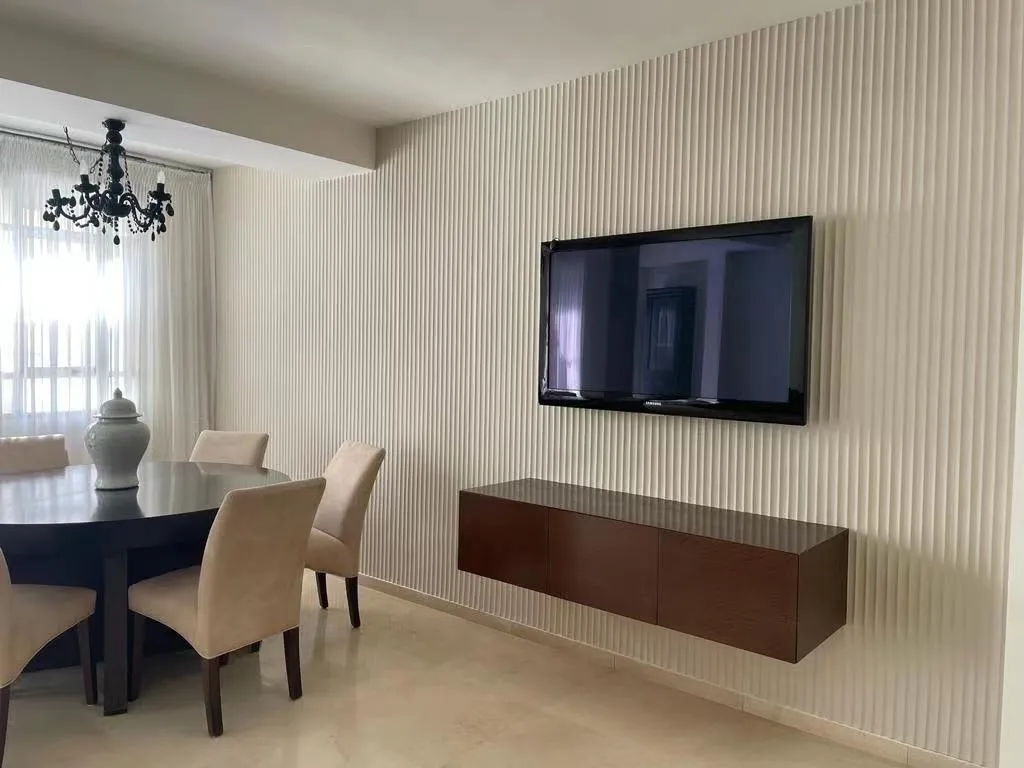
The construction industry is always seeking ways to streamline processes and reduce labor costs, and MCM flexible cladding stone wall panels deliver on both fronts thanks to their lightweight design. Traditional natural stone cladding can weigh 25-30 kg per square meter, requiring reinforced structural support and heavy machinery for installation. MCM panels, by contrast, tip the scales at just 3-5 kg per square meter—lighter than even PU stone wall panels (8-10 kg/m²) or WPC wall panels (10-12 kg/m²). This drastic reduction in weight has a ripple effect on the entire construction timeline and budget.
First, lightweight panels mean less stress on a building's foundation and structural framework. This is especially critical for retrofitting projects, where existing structures may not be able to support the weight of traditional cladding. For example, a 10-story commercial building in Riyadh, Saudi Arabia, recently chose MCM panels for its facade renovation because the original structure couldn't handle the load of natural stone. The result? A modernized exterior without the need for costly structural upgrades. Second, lighter materials are easier and faster to install. A typical MCM cladding system can be installed by a small crew using basic tools, reducing labor hours by 30-40% compared to natural stone. In a fast-paced construction market where deadlines are tight, this efficiency can make the difference between a project finishing on time and over budget.
Transportation is another area where MCM panels shine. Their lightweight and compact nature means more panels can fit on a single truck, reducing fuel consumption and carbon emissions. For international projects, this translates to lower shipping costs and fewer logistical headaches—a major advantage for Saudi Arabia building materials suppliers and developers sourcing materials from global markets. When every kilogram counts, MCM panels prove that sometimes, less really is more.

In an era where green building practices are no longer optional but mandatory, MCM flexible cladding stone wall panels stand out as an environmentally responsible choice. Let's break down their sustainability credentials: first, MCM panels are often made with recycled materials. The aluminum skins can contain up to 70% recycled content, and the core material is frequently derived from eco-friendly polymers. This reduces reliance on virgin resources and minimizes the environmental impact of production. Second, their lightweight design lowers transportation emissions, as mentioned earlier, contributing to a smaller carbon footprint during the construction phase.
Third, MCM panels are energy-efficient. The metal core acts as a thermal barrier, reducing heat transfer between the exterior and interior of a building. In hot climates like Saudi Arabia, this can lower air conditioning costs by up to 20%—a significant saving for both residential and commercial building owners. Additionally, MCM panels are 100% recyclable at the end of their lifespan, diverting waste from landfills and supporting the circular economy. Compare this to natural stone, which is often quarried in a resource-intensive process that disrupts ecosystems, or PVC-based cladding, which can release harmful chemicals when disposed of improperly. For developers aiming to achieve LEED, BREEAM, or other green building certifications, MCM panels are a tangible way to earn points and demonstrate a commitment to sustainability.
As a mcm flexible cladding stone wall panel supplier, we've also noticed a growing demand for "cool roof" and "cool wall" solutions—materials that reflect sunlight and reduce urban heat island effects. MCM panels, with their reflective coatings, are excellent at this, helping cities mitigate rising temperatures while keeping buildings cooler. It's a win-win: better for the planet, and better for the people inside.
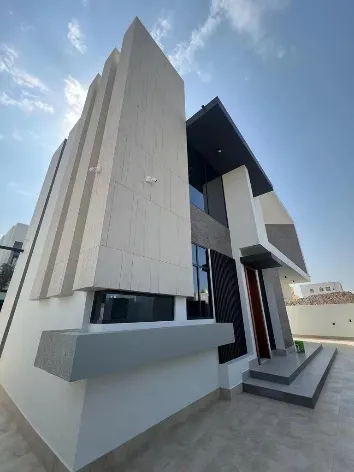
At first glance, MCM flexible cladding stone wall panels may have a higher upfront cost than some budget-friendly options like vinyl siding or plywood. However, a closer look reveals that they are a cost-effective investment over the long term. Let's crunch the numbers: while the initial material cost of MCM panels is higher than vinyl, their 50+ year lifespan means they outlast vinyl (15-20 years) by more than double. When you factor in replacement costs, MCM panels actually become cheaper over time. For example, a commercial building using vinyl siding would need to be re-clad 2-3 times over 50 years, each time incurring material, labor, and disruption costs. MCM panels, once installed, require minimal upkeep, eliminating these recurring expenses.
Maintenance is another area where MCM panels save money. Unlike natural stone, which may require sealing every 2-3 years to prevent staining, or wood cladding, which needs regular painting or staining, MCM panels are virtually maintenance-free. A simple rinse with water and mild soap once or twice a year is enough to keep them looking like new. This low-maintenance profile is especially appealing for tall buildings or hard-to-reach facades, where maintenance work can be dangerous and expensive. For hospital and school projects—where hygiene and safety are paramount—MCM panels also offer peace of mind, as they are non-porous and resistant to mold, mildew, and bacteria growth.
Energy savings further sweeten the deal. As mentioned earlier, MCM's thermal insulation properties reduce heating and cooling costs. Over a 50-year lifespan, these savings can add up to tens of thousands of dollars for a single building. For residential building materials suppliers and commercial developers alike, MCM panels prove that investing in quality upfront pays dividends for decades to come.
| Attribute | MCM Flexible Cladding Stone Wall Panels | Natural Stone | PU Stone Wall Panels | WPC Wall Panels |
|---|---|---|---|---|
| Weight (kg/m²) | 3-5 | 25-30 | 8-10 | 10-12 |
| Flexibility | High (can bend/curve) | Low (rigid, brittle) | Medium (limited curves) | Low (semi-rigid) |
| Durability (Lifespan) | 50+ years | 50+ years (but prone to cracking) | 15-20 years | 20-25 years |
| Installation Time | Fast (30-40% quicker than natural stone) | Slow (requires heavy machinery) | Moderate | Moderate |
| Maintenance Cost (Annual) | Low ($50-$100/100m²) | High ($500-$800/100m² for sealing) | Medium ($200-$300/100m²) | Medium ($250-$400/100m²) |
| Sustainability | High (recyclable, low emissions) | Low (quarrying impacts ecosystems) | Medium (some recycled content) | Medium (depends on wood sourcing) |
MCM flexible cladding stone wall panels are not limited to a single type of project—they excel in both residential and commercial settings, making them a go-to choice for versatile building materials suppliers. Let's explore how they're used in each:
Residential Projects: For homeowners, MCM panels offer a way to elevate curb appeal without the cost and hassle of natural stone. They're perfect for exterior facades, accent walls, garage exteriors, or even poolside surrounds. Imagine a modern suburban home with a sleek MCM-clad front elevation, featuring a stone-like texture that complements the landscaping. Or a mountain retreat with curved MCM panels that blend seamlessly with the rocky terrain. Because MCM panels are available in a range of colors and textures, they can mimic everything from rustic slate to elegant marble, allowing homeowners to achieve their desired aesthetic without the weight or maintenance of real stone. As a residential building materials supplier, we've seen MCM panels transform ordinary homes into neighborhood showpieces, increasing property values and homeowner satisfaction.
Commercial Projects: In the commercial sector, MCM panels are a staple of architectural façade solutions. Shopping malls use them to create eye-catching exteriors that draw customers in; office buildings rely on them for a professional, modern look; and hotels use them to evoke luxury and sophistication. One notable example is a 20-story hotel in Jeddah, Saudi Arabia, where MCM panels were chosen for their ability to create a dynamic, light-catching facade that changes appearance with the sun's position. The panels were custom-colored to match the hotel's brand palette, and their flexibility allowed for the inclusion of curved balconies that offer guests panoramic views of the city. For commercial building materials suppliers, MCM panels are a versatile solution that can be scaled to fit projects of any size, from small retail stores to sprawling mixed-use developments.
Project Scope: A 15-story office building in Riyadh's financial district, aiming to stand out in a crowded skyline while adhering to strict sustainability and budget guidelines.
Design Goals: The architect wanted a facade that was both visually striking and energy-efficient, with a stone-like appearance to convey professionalism and stability. The building's original structure, however, could not support the weight of natural stone cladding.
Solution: MCM flexible cladding stone wall panels were selected for their lightweight nature, design flexibility, and sustainability. The panels were custom-colored to replicate the look of Swiss mountain stone—a rare and expensive material that would have been logistically challenging to source. The panels were curved at the building's corners to create a soft, organic silhouette, and reflective coatings were added to enhance energy efficiency by reducing heat absorption.
Outcome: The project was completed 2 weeks ahead of schedule, thanks to the fast installation of MCM panels. The client reported a 15% reduction in cooling costs in the first year, and the building has since become a landmark in Riyadh's financial district, with tenants praising its modern aesthetic and comfortable interior temperatures. As the mcm flexible cladding stone wall panel supplier for this project, we were proud to deliver a solution that met both the architect's creative vision and the client's practical needs.
As construction techniques and materials continue to evolve, MCM flexible cladding stone wall panels are poised to play an even larger role in shaping the built environment. Advances in coating technology will likely lead to even more realistic stone simulations, with improved texture depth and color accuracy. We may also see the integration of smart features, such as MCM panels embedded with solar cells or sensors that monitor building performance. For Saudi Arabia building materials suppliers and developers in other regions, these innovations will further solidify MCM panels as a forward-thinking choice.
Another trend to watch is the growing demand for "biophilic design"—incorporating natural elements into built spaces to improve health and well-being. MCM panels, with their ability to mimic natural stone, wood, and other organic materials, are perfectly positioned to support this trend. Imagine a hospital or school where MCM panels are used to create calming, nature-inspired interiors, reducing stress and promoting healing—all while maintaining the durability and safety required for these high-traffic environments.
Perhaps most importantly, as sustainability regulations become stricter worldwide, MCM panels will remain a top choice for eco-conscious builders. Their recyclability, energy efficiency, and low maintenance requirements align with global efforts to reduce carbon emissions and build more resilient communities. For mcm flexible cladding stone wall panel suppliers, this means continued innovation and a commitment to pushing the boundaries of what's possible with this versatile material.
MCM flexible cladding stone wall panels are more than just a building material—they're a testament to how innovation can transform the construction industry. By combining the timeless beauty of natural stone with the flexibility, durability, and sustainability of modern engineering, MCM panels offer a solution that meets the diverse needs of today's architects, builders, and developers. From residential homes to commercial landmarks, from the heat of Saudi Arabia to the cold of northern climates, these panels are proving that they can thrive in any environment and any project.
As a mcm flexible cladding stone wall panel supplier and provider of architectural façade solutions, we're proud to offer a product that doesn't just meet industry standards but sets new ones. Whether you're designing a cozy home, a towering office building, or a cutting-edge public space, MCM panels provide the foundation for a project that is beautiful, functional, and built to last. In a world where construction projects are under increasing pressure to deliver on aesthetics, cost, and sustainability, MCM flexible cladding stone wall panels are the answer—a material that proves you don't have to sacrifice one benefit for another.
So, the next time you're planning a construction project, ask yourself: what if your cladding material could do more? What if it could bend to your design whims, stand up to the elements, save you money, and help protect the planet? With MCM panels, the answer is simple: it can. The future of construction is flexible, durable, and sustainable—and it starts with MCM.
Recommend Products











