

When you walk through the industrial zones of Riyadh, Jeddah, or Dammam, you can't help but notice the transformation happening across Saudi Arabia's landscape. From sprawling factories and state-of-the-art warehouses to cutting-edge logistics hubs, the kingdom's industrial sector is booming—and at the heart of this growth lies a critical decision: choosing the right building materials. Among the many components that shape these structures, cladding stands out as both a protective shield and a design statement. Today, we're diving into why MCM flexible cladding stone wall panels have become the go-to choice for forward-thinking project managers, and how partnering with the right mcm flexible cladding stone wall panel supplier can make all the difference in turning industrial visions into reality.
Let's start with the basics. MCM, or Metal Composite Material, might sound technical, but think of it as the superhero of cladding materials—strong, versatile, and surprisingly flexible. These panels are made by bonding a thin layer of natural stone (like granite or marble) or a stone-like composite to a lightweight metal core, usually aluminum. The result? A panel that looks and feels like natural stone but weighs a fraction of the real thing, bends without breaking, and stands up to some of the harshest conditions on the planet.
But what really sets MCM flexible cladding apart is that "flexible" part. Traditional stone cladding is rigid, heavy, and tricky to install on curved surfaces or buildings with unique architectural details. MCM panels, though? They can bend and contour to almost any shape, making them perfect for industrial projects where functionality and design often go hand in hand. Whether you're cladding a factory wall with intricate angles or a warehouse facade that needs to withstand sandstorms, these panels adapt—no compromises needed.
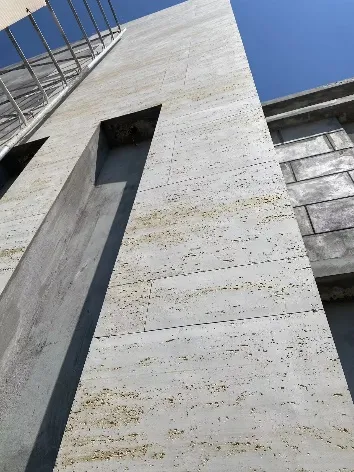
Saudi Arabia's industrial environment is one of a kind. With scorching summer temperatures regularly exceeding 45°C (113°F), relentless sandstorms, and high humidity in coastal areas like Jeddah, building materials here don't just need to look good—they need to survive. Let's break down why MCM flexible cladding stone wall panels are tailor-made for these challenges:
Imagine a material that doesn't fade under the Saudi sun, doesn't crack when temperatures swing from blistering days to cooler nights, and doesn't let sand particles scratch or damage its surface. That's MCM panels in a nutshell. The metal core acts as a thermal barrier, reflecting heat rather than absorbing it—meaning your industrial building stays cooler, reducing the load on air conditioning systems and cutting energy costs. And the stone veneer? It's treated to resist abrasion, so even after years of sandstorms, your facade will still look as crisp as the day it was installed.
Industrial buildings are often massive, with large spans and complex structural systems. Adding heavy cladding materials like natural stone can put unnecessary stress on beams, columns, and foundations—leading to higher construction costs and potential safety risks down the line. MCM panels weigh up to 70% less than traditional stone cladding, which means your structure can support more cladding with less material, saving money on structural reinforcements and making installation faster and safer.
In industrial settings, downtime is the enemy. The last thing you need is to shut down operations for cladding repairs or replacements. MCM panels are designed to be practically maintenance-free. A quick rinse with water now and then is all it takes to keep them looking fresh, and their resistance to mold, mildew, and corrosion means they won't degrade over time—even in coastal areas with salty air. Most suppliers offer warranties of 15–20 years, but in Saudi conditions, these panels often last much longer, making them a smart long-term investment.
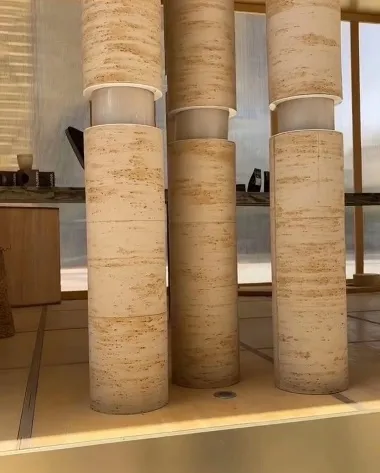
You could have the best material in the world, but if your supplier drops the ball, your project will suffer. In Saudi Arabia, where industrial timelines are tight and standards are high, partnering with a reliable saudi arabia building materials supplier that specializes in MCM flexible cladding stone wall panels isn't just a preference—it's a necessity. Here's what to look for:
A supplier based in Saudi Arabia or with deep local roots understands the unique challenges of the market. They know how to navigate local regulations, source materials efficiently to avoid delays, and even recommend tweaks to your cladding design based on regional climate patterns. For example, a supplier familiar with Riyadh's dry heat might suggest a specific stone finish that reflects more sunlight, while one experienced in Jeddah's humidity could recommend additional sealing to prevent moisture buildup. Local expertise isn't just about convenience—it's about ensuring your project is optimized for success from day one.
Not all MCM panels are created equal. Some suppliers skimp on the stone thickness, use low-grade adhesives, or skip quality testing to cut costs. The result? Panels that peel, fade, or fail prematurely. The best mcm flexible cladding stone wall panel supplier will walk you through their manufacturing process, from sourcing raw materials to testing panels for heat resistance, flexibility, and durability. Look for suppliers who comply with international standards like ASTM or ISO, and who are transparent about their quality control checks. After all, your industrial building's facade is an investment—you want to know it's built to last.
Industrial projects aren't one-size-fits-all, and your cladding shouldn't be either. Maybe you want your factory to stand out with a bold, modern stone finish, or perhaps your logistics hub needs a more understated look that blends with the surrounding landscape. A top-tier supplier offers mcm flexible cladding stone wall panel solutions that can be customized in terms of color, texture, size, and even panel shape. Need a specific shade of beige to match your brand? They can source it. Want panels that interlock in a unique pattern for added security? They can design it. Customization isn't just about aesthetics—it's about making your industrial space feel intentional and aligned with your vision.
| Feature | MCM Flexible Cladding Stone Wall Panels | Traditional Natural Stone Cladding | Brick Cladding |
|---|---|---|---|
| Weight (per sqm) | 8–12 kg | 40–60 kg | 25–35 kg |
| Installation Time | Fast (lightweight, easy to cut) | Slow (heavy, requires specialized labor) | Moderate (labor-intensive mortar application) |
| Heat Resistance | Excellent (reflects heat, low thermal expansion) | Good (but absorbs heat, leading to higher cooling costs) | Poor (absorbs heat, prone to cracking in temperature swings) |
| Maintenance Cost (over 10 years) | Low (occasional cleaning only) | High (sealing, repairs for cracks/chipping) | Moderate (repointing mortar, repainting) |
| Suitability for Curved Surfaces | Excellent (flexible, bends without breaking) | Poor (rigid, requires custom cutting) | Poor (rigid, difficult to align on curves) |
| Saudi Climate Adaptability | Excellent (resists sand, heat, and humidity) | Good (but heavy and high maintenance) | Fair (prone to moisture damage in coastal areas) |

Let's take a step back from the specs and talk about real projects. In 2023, a leading automotive parts manufacturer in Riyadh decided to revamp its 50,000 sqm factory facade. They'd previously used traditional brick cladding, which had started to crack due to temperature fluctuations, and the building's cooling costs were skyrocketing. After consulting with a local mcm flexible cladding stone wall panel supplier , they opted for MCM panels with a sandstone finish.
The results? Installation took half the time of the original brick cladding, and the factory's monthly cooling bill dropped by 22%. Two years later, the panels still look brand-new, even after several major sandstorms. The manufacturer's project manager noted, "We didn't just save money—we got a facade that makes our factory stand out. Clients visiting from abroad often comment on how modern and well-maintained the building looks, which has definitely boosted our reputation."
Another example: a logistics warehouse in Dammam, a coastal city known for its high humidity and occasional salt spray. The warehouse needed cladding that could withstand corrosion and resist mold growth. The supplier recommended MCM panels with a marine-grade aluminum core and a specially treated granite finish. Today, three years later, there's no sign of rust, mold, or discoloration—even in the most exposed areas of the building. The warehouse manager put it simply: "We haven't had to lift a finger to maintain the facade. That's the kind of reliability you need when you're running a 24/7 operation."
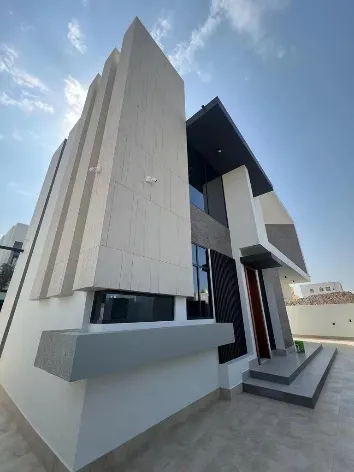
One of the best things about MCM flexible cladding stone wall panels is how easy they are to work with—both during installation and long after. Let's walk through what you can expect:
Because MCM panels are lightweight, they don't require heavy lifting equipment or specialized structural support. A small team of installers can handle them with standard tools, cutting installation time by 30–40% compared to traditional stone cladding. Most panels come with a tongue-and-groove system or mechanical fasteners that make alignment a breeze, even for large surfaces. And since they're flexible, installers can easily trim them to fit around windows, doors, or unique architectural features without worrying about cracking or chipping.
For industrial projects with tight deadlines, this speed is a game-changer. Imagine finishing your facade installation weeks ahead of schedule, allowing you to focus on other critical tasks like interior fit-outs or equipment setup. That's the kind of efficiency MCM panels bring to the table.
Industrial managers don't have time for complicated maintenance routines, and MCM panels respect that. Here's all it takes to keep them looking great:
Saudi Vision 2030 is driving unprecedented growth in the kingdom's industrial sector, with billions of dollars invested in new factories, logistics hubs, and industrial cities. As this growth accelerates, the demand for innovative, durable building materials will only increase—and MCM flexible cladding stone wall panels are poised to lead the way.
Why? Because they align with the core goals of Vision 2030: sustainability, efficiency, and innovation. MCM panels reduce energy consumption, lower maintenance costs, and allow for faster construction—all key to building a more productive, competitive industrial sector. Plus, as Saudi Arabia continues to prioritize local manufacturing, more suppliers are setting up production facilities in the kingdom, making MCM panels even more accessible and affordable for local projects.
And let's not forget sustainability. MCM panels are often made with recycled materials, and their lightweight design reduces carbon emissions during transportation and installation. As the world (and Saudi Arabia) moves toward greener building practices, MCM panels offer a way to reduce your project's environmental footprint without sacrificing performance.
At the end of the day, your industrial building is more than just a structure—it's a reflection of your vision, your values, and your commitment to excellence. Choosing the right cladding material is a big decision, but it's one that pays off in the long run: lower costs, less stress, and a facade that stands the test of time (and Saudi Arabia's tough climate).
MCM flexible cladding stone wall panels aren't just a trend—they're a smart, practical choice for industrial projects that demand durability, flexibility, and style. And when you pair those panels with a trusted mcm flexible cladding stone wall panel supplier that understands Saudi Arabia's unique needs, you're not just building a facade—you're building a foundation for success.
So, whether you're breaking ground on a new factory in Riyadh, expanding a warehouse in Jeddah, or reimagining an industrial space in Dammam, don't settle for cladding that just gets the job done. Choose MCM panels, and build something that lasts.
Recommend Products











