

When it comes to building in Saudi Arabia, every detail matters—especially when it comes to the materials that shape a building's exterior. The country's unique climate, strict safety regulations, and growing focus on sustainable, durable construction mean that suppliers of architectural façade solutions, like MCM flexible cladding stone wall panels, can't afford to cut corners. For saudi arabia building materials supplier, understanding and adhering to local building codes isn't just a legal requirement; it's the foundation of trust with clients and the key to long-term success in one of the Middle East's most dynamic construction markets.
In this guide, we'll break down what you need to know about Saudi building codes, how MCM flexible cladding stone wall panels fit into the equation, and the steps suppliers must take to ensure compliance. Whether you're a seasoned mcm flexible cladding stone wall panel supplier or new to the Saudi market, this article will help you navigate the complexities of local regulations and position your solutions as reliable, safe, and code-ready.
Saudi Arabia's construction industry is governed by the Saudi Building Code (SBC), a comprehensive set of standards developed by the Saudi Standards, Metrology, and Quality Organization (SASO). These codes aren't arbitrary—they're designed to address the country's specific challenges: extreme temperatures (reaching up to 50°C in summer), frequent sandstorms, high humidity in coastal areas like Jeddah, and the need for fire safety in densely populated cities such as Riyadh and Dammam.
For façade materials like MCM panels, the most relevant codes include SBC 3040 (Façade Systems) and SBC 1060 (Fire Safety in Buildings). SBC 3040 outlines requirements for structural integrity, weather resistance, and durability, while SBC 1060 sets strict fire safety standards, including flame spread, smoke production, and heat release rates. Ignoring these codes can lead to project delays, fines, or even the removal of non-compliant materials—costly mistakes that no supplier or contractor wants to face.
Consider this: A Riyadh-based contractor once installed imported façade panels that met European fire standards but failed to comply with SBC 1060's stricter heat release criteria. The panels had to be replaced mid-project, costing the contractor over SAR 2 million and delaying the building's opening by six months. For the supplier, the damage was worse—their reputation in the Saudi market was shattered. That's why compliance isn't just about following rules; it's about protecting your business and your clients' success.
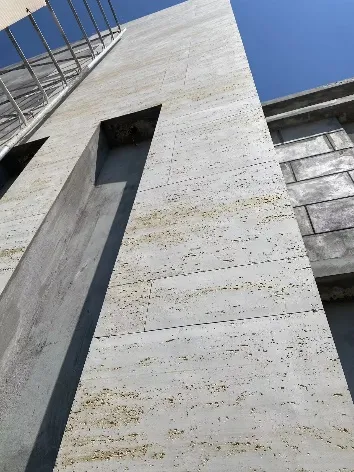
Before diving into compliance, let's clarify what makes MCM flexible cladding stone wall panels a popular choice for Saudi architectural projects. MCM, or Metal Composite Material, is a lightweight, durable cladding option that combines a metal core (typically aluminum) with a decorative surface layer—often designed to mimic natural stone, wood, or other textures. What sets "flexible" MCM panels apart is their ability to bend and conform to curved or irregular surfaces, making them ideal for modern, innovative façade designs.
For architects and developers in Saudi Arabia, MCM panels offer a winning combination: they're lighter than traditional stone cladding (reducing structural load), resistant to corrosion (critical in coastal areas), and customizable to achieve the desired aesthetic—whether that's a sleek, contemporary look for a Riyadh skyscraper or a warm, natural stone appearance for a Jeddah resort. Plus, their flexibility allows for creative architectural expressions, which is why they're increasingly specified in architectural façade solutions across the country.
But here's the catch: Not all MCM panels are created equal. To perform well in Saudi Arabia's harsh conditions and meet local codes, these panels must undergo rigorous testing and certification. That's where mcm flexible cladding stone wall panel solutions come into play—suppliers who don't just sell panels but provide end-to-end support, from material selection to compliance verification, are the ones who thrive here.
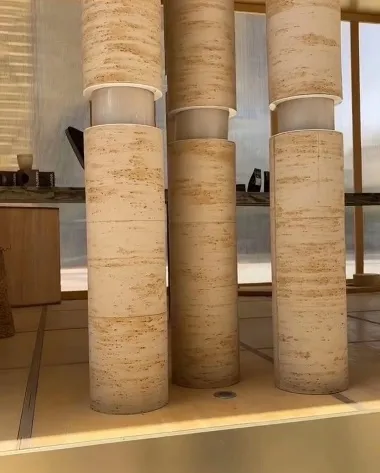
So, what exactly do Saudi building codes demand from MCM flexible cladding stone wall panels? Let's break down the critical compliance areas every supplier must address.
Fire safety is a top priority in Saudi Arabia, where high temperatures and dense urban development increase fire risks. SBC 1060 mandates that façade materials for most commercial and residential buildings must achieve a Class A fire rating. This means the panels must resist ignition, limit flame spread, and produce minimal smoke and toxic fumes when exposed to fire.
For MCM panels, achieving Class A fire resistance often requires specialized core materials and surface treatments. For example, panels with a mineral-filled core or fire-retardant coatings are more likely to meet Saudi standards than those with standard polyethylene cores. Suppliers must ensure their panels are tested by accredited local labs—like the Saudi Industrial Services Company (SISCO)—to verify compliance with SBC 1060's specific heat release and flame spread thresholds.
Saudi Arabia's climate is unforgiving: scorching summers with temperatures above 45°C, sandstorms that blast buildings with abrasive particles, and coastal humidity that can cause corrosion. SBC 3040 requires façade materials to withstand these conditions without degrading, fading, or losing structural integrity.
For MCM panels, this translates to testing for: UV resistance (to prevent color fading), thermal expansion/contraction (to avoid warping in temperature swings), and impact resistance (to withstand sand and debris during storms). Suppliers should invest in accelerated weathering tests, simulating years of Saudi weather in weeks, to prove their panels can last. A panel that cracks or fades after a year in Jeddah's humidity isn't just a quality issue—it's a compliance failure.
Façade panels don't just need to look good—they need to stay attached to the building, even in high winds. Saudi Arabia's coastal regions, like Yanbu and Jeddah, experience occasional strong winds, while inland areas face dust storms that exert pressure on exteriors. SBC 3040 sets strict standards for wind load resistance and anchoring systems.
Suppliers must provide detailed engineering data on their panels' wind load capacity, including how they perform under positive and negative pressure (e.g., wind suction). The installation system—clips, brackets, and fasteners—must also comply with SBC 3040, as even the most durable panel will fail if poorly anchored. This is where partnering with local engineering firms can help: they understand Saudi wind zone classifications and can help suppliers tailor their mounting solutions accordingly.
Compliance isn't just about the panels themselves—it's also about how they're installed. SBC 3040 includes guidelines for installation practices, from proper spacing between panels to waterproofing details that prevent moisture intrusion (a common issue in humid coastal areas). Suppliers play a key role here by providing clear, localized installation manuals and training for contractors.
For example, a supplier might offer on-site training sessions in Riyadh or Dammam, teaching installers how to account for Saudi's temperature fluctuations when spacing panels (to allow for expansion). They might also provide technical support to resolve installation challenges, like adjusting anchor points for buildings in high-wind zones. By supporting proper installation, suppliers reduce the risk of non-compliant outcomes—even if the panels themselves meet all material standards.
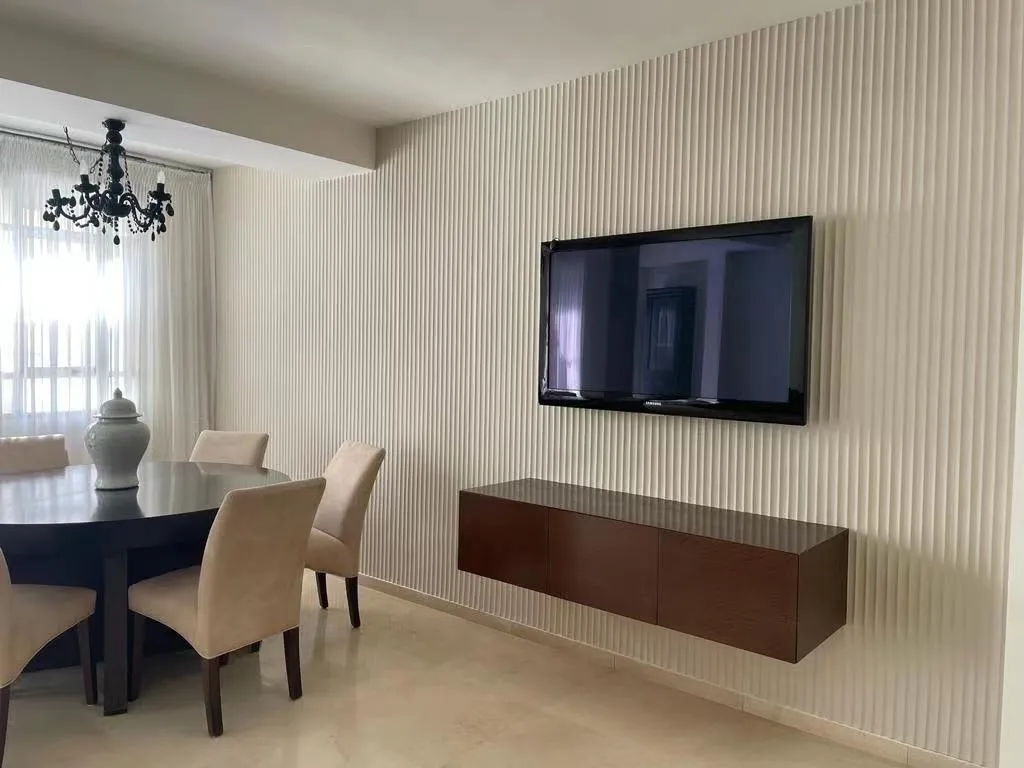
To help suppliers ensure they're covering all bases, here's a practical checklist for MCM panel compliance in Saudi Arabia:
| Compliance Requirement | Saudi Building Code Reference | Action Steps for Suppliers | Verification Method |
|---|---|---|---|
| Fire Resistance (Class A) | SBC 1060, Clause 7.2 | Use fire-retardant core materials; test heat release rate (≤150 kW/m²) and flame spread index (≤25). | Certification from SISCO or SASO-accredited lab. |
| UV and Weather Resistance | SBC 3040, Annex D | Conduct accelerated weathering tests (≥3,000 hours UV exposure); ensure color retention (ΔE ≤5). | Test report from local weathering lab. |
| Wind Load Resistance | SBC 3040, Clause 5.3 | Engineer panels and anchors for wind speeds up to 160 km/h (coastal areas) or 120 km/h (inland). | Structural calculation report stamped by a Saudi-registered engineer. |
| Installation Standards | SBC 3040, Section 8 | Provide Arabic-language installation manuals; include gap specifications for thermal expansion. | On-site training verification and contractor feedback. |
| Documentation | SASO ISO 9001 | Maintain batch test records, material certificates, and compliance statements. | Auditable records available for Saudi authorities. |

Meeting Saudi building codes isn't a one-time task—it's an ongoing commitment. Here's how suppliers can build compliance into their operations and stand out in the Saudi market.
International certifications (like CE or ASTM) are a good start, but Saudi authorities prioritize local testing. Suppliers should partner with accredited labs in Saudi Arabia, such as SISCO or the King Abdulaziz City for Science and Technology (KACST), to test their MCM panels. These labs understand the nuances of SBC standards and can provide the specific certifications clients and regulators demand.
For example, a mcm flexible cladding stone wall panel supplier based in Europe might initially rely on EU fire tests, but to enter Saudi Arabia, they'd need to send samples to SISCO for Class A fire testing under SBC 1060. This local certification not only ensures compliance but also builds trust with Saudi clients, who often view local testing as more reliable.
Saudi building codes aren't static. SASO regularly updates standards to reflect new technologies, safety research, and construction trends. Suppliers must stay informed about these changes—ignorance of an updated clause in SBC 3040 could lead to non-compliant products.
Joining industry associations, like the Saudi Council of Engineers or the Construction Products Association (CPA), can help. These groups often host workshops and distribute updates on code changes. Additionally, maintaining relationships with local consultants and contractors can provide early warnings about upcoming regulatory shifts.
Compliance doesn't end with the product—it extends to how well suppliers support their clients in Saudi Arabia. This means more than just shipping panels; it means providing Arabic-language technical documents, on-site training for contractors, and responsive customer service for installation questions.
A supplier that sends a technical team to Riyadh to train installers on proper anchoring techniques for high-wind zones will earn more trust than one that only provides a generic English manual. Similarly, offering post-installation support—like troubleshooting a panel alignment issue in Jeddah—shows a commitment to the project's success, not just the sale.
While not strictly a code requirement, sustainability is increasingly important in Saudi Arabia's construction sector, driven by Vision 2030's focus on green building. Suppliers who offer MCM panels with recycled content, energy-efficient properties (like thermal insulation), or low-VOC coatings can differentiate themselves—even as they meet core compliance standards.
For example, a supplier might develop an MCM panel with a reflective surface that reduces heat absorption, lowering a building's cooling costs. While this isn't mandated by SBC codes yet, it aligns with Saudi's sustainability goals and makes the supplier a more attractive partner for forward-thinking developers.
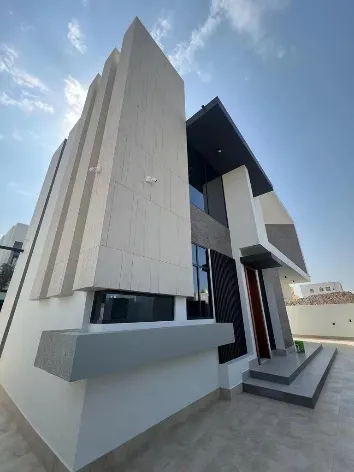
To see compliance in action, let's look at a recent project: the Al-Mansoora Tower, a 30-story commercial building in Riyadh. The developer wanted a modern, stone-like façade that could withstand Saudi's climate while meeting strict fire safety standards. They chose a local mcm flexible cladding stone wall panel supplier with a track record of SBC compliance.
The supplier took several key steps to ensure success: First, they submitted panel samples to SISCO for Class A fire testing, which confirmed the panels met SBC 1060's heat release requirements. Next, they conducted wind load tests at a KACST lab, verifying the panels could withstand Riyadh's occasional dust storms. They also provided Arabic installation manuals with detailed diagrams for spacing panels (to account for thermal expansion) and trained the contractor's team on-site.
The result? The Al-Mansoora Tower's façade passed all municipal inspections on the first try, and the building opened on schedule. The supplier's commitment to compliance not only secured them the project but also led to referrals for other high-profile developments in Riyadh. As the tower's architect noted: "Working with a supplier who understood Saudi codes meant we avoided costly delays. Their panels look great and perform even better—exactly what we needed."
For developers and contractors in Saudi Arabia, selecting a compliant MCM panel supplier is just as critical as the panels themselves. Here are key questions to ask when evaluating suppliers:
By asking these questions, buyers can separate suppliers who treat compliance as a checkbox from those who see it as a core part of their service.
For mcm flexible cladding stone wall panel supplier operating in Saudi Arabia, compliance with local building codes isn't just a legal obligation—it's a strategic opportunity. By prioritizing fire safety, weather resistance, and structural integrity, suppliers can build trust with clients, avoid costly mistakes, and position themselves as leaders in one of the world's fastest-growing construction markets.
Saudi Arabia's building codes are designed to create safer, more durable, and more sustainable structures—and that's a goal everyone in the industry should support. Whether you're a long-time saudi arabia building materials supplier or new to the market, investing in compliance, local partnerships, and customer support will set you apart. After all, in a country where construction is booming and standards are high, the suppliers who deliver compliant, reliable mcm flexible cladding stone wall panel solutions are the ones who will thrive for years to come.
Recommend Products











