Let's start with the basics: residential developers wear a lot of hats. You're a project manager, a designer, a budget wizard, and a customer service rep—all rolled into one. You're juggling tight deadlines, ever-changing building codes, and buyers who want it all: luxury finishes, durability, sustainability, and affordability. And when it comes to exterior cladding—the "face" of your project—the stakes are even higher. A cladding material that cracks in the sun, fades in the rain, or takes months to install can derail timelines, blow budgets, and leave buyers unimpressed.
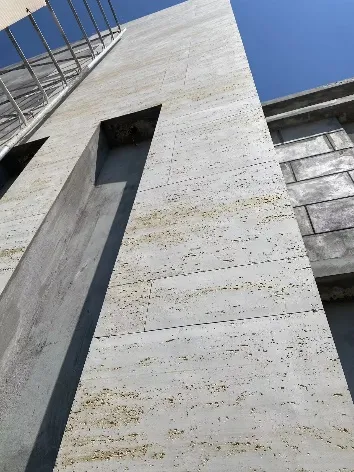
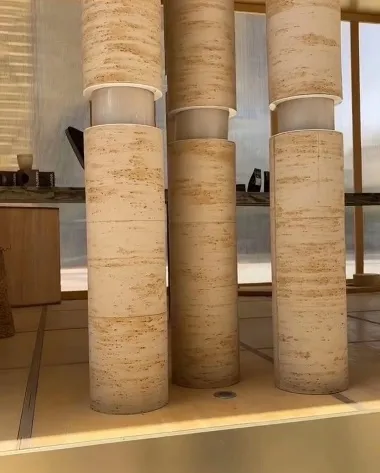
Traditional stone cladding, for example, has long been a go-to for that high-end look. But anyone who's worked with it knows the headaches: it's heavy, requiring reinforced structures and specialized labor. It's rigid, making it tricky to install on curved surfaces or complex architectural designs. And let's not forget cost—both in materials and the extra time spent on installation. Then there are alternatives like vinyl siding (cheap but flimsy) or fiber cement (durable but limited in design). For developers aiming to balance aesthetics, performance, and practicality, the options often feel like a series of compromises.
Enter MCM flexible cladding stone wall panels. In recent years, this material has emerged as a game-changer, and it's not hard to see why. But before we get into the "why," let's clarify what we're talking about. MCM stands for Metal Composite Material—a lightweight, flexible panel made by bonding two thin metal sheets (usually aluminum) to a core material. When designed to mimic stone, these panels offer the luxurious look of natural stone without the weight, rigidity, or hassle. And for developers, that translates to fewer compromises and more wins.