

In the heart of Saudi Arabia's construction boom—where Riyadh's skyline pierces the clouds, Jeddah's coastal developments blend modernity with tradition, and NEOM's futuristic vision takes shape—one element remains constant: the need for building materials that don't just meet standards, but redefine them. From residential villas to sprawling commercial complexes, from hospitals prioritizing safety to schools fostering creativity, the right materials don't just build structures; they craft experiences. At the center of this transformation is a commitment to bridging local needs with global excellence—and few categories embody this better than wall solutions. Today, we're diving into the world of MCM flexible cladding stone wall panels, exploring how a leading Saudi Arabia building materials supplier is reimagining what's possible with local support, global quality, and a portfolio designed to turn architectural dreams into reality.
Walk through any new development in Riyadh's King Abdullah Financial District or Jeddah's Red Sea Mall, and you'll notice a shift in how buildings "wear" their exteriors. Gone are the days of rigid, one-size-fits-all cladding; today's architects and contractors crave materials that combine durability with design freedom. Enter MCM flexible cladding stone wall panels—a game-changer in the world of exterior decoration materials. Short for "Modified Composite Material," MCM panels are a testament to innovation: lightweight yet tough, flexible yet stable, and designed to mimic the look of natural stone, wood, or even metal without the heavy lifting (literally) of traditional materials.
For a country like Saudi Arabia, where temperatures soar above 45°C in summer and sandstorms test the resilience of every surface, MCM's benefits are hard to overstate. Imagine a hospital in Dammam, where the exterior walls need to withstand scorching heat without fading or cracking. Or a luxury hotel in Al Ula, where the architecture aims to blend with the desert landscape—MCM panels offer the perfect solution. Their flexibility allows them to conform to curved surfaces, making intricate designs possible, while their weather-resistant properties ensure they stay vibrant for decades. "We used to struggle with traditional stone cladding on high-rise projects," says a Riyadh-based contractor with over 15 years of experience. "The weight added structural stress, and installation took weeks. MCM changed that—we're finishing jobs 30% faster, and the panels still look brand-new after five years."
But MCM isn't just about practicality; it's about possibility. As a MCM flexible cladding stone wall panel supplier deeply rooted in Saudi Arabia, the focus is on more than just delivering products—it's about empowering architects to push boundaries. Whether it's a residential complex in Jeddah wanting a Mediterranean villa aesthetic or a commercial tower in Riyadh aiming for a sleek, modern finish, MCM panels come in a range of textures and colors that make those visions tangible. And as a MCM flexible cladding stone wall panel solutions provider, the support doesn't end with delivery. From helping clients choose the right texture for a coastal vs. desert climate to providing on-site installation guidance, the goal is to ensure every project feels tailored, not transactional.
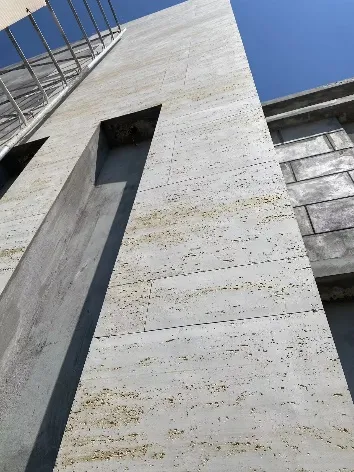
While MCM flexible cladding steals the spotlight for exteriors, the best building material suppliers know that walls—both inside and out—are a holistic system. That's why leading providers in Saudi Arabia offer a diverse range of wall solutions, each designed to address specific needs: from moisture resistance in bathrooms to fire safety in schools, from eco-friendliness in residential homes to durability in high-traffic commercial spaces. Let's take a closer look at some of these complementary offerings.
First, bamboo charcoal board wall panels. As a bamboo charcoal board wall panel supplier, the focus here is on sustainability without compromising on style. Bamboo charcoal is naturally antimicrobial, making it ideal for interior spaces like bedrooms, living rooms, or even offices where air quality matters. Its moisture-resistant properties also make it a smart choice for kitchens or basements, where humidity can be a concern. "We had a client in Riyadh who wanted their home to feel 'breathable,'" recalls an interior designer who partnered with the supplier. "Bamboo charcoal panels not only gave the walls a warm, organic texture but also helped reduce odors and allergens. It was a win-win for both design and health."
Then there's the porcelain slab tile for wall supplier segment—a favorite for modern, seamless interiors. Porcelain slabs, often measuring 3m x 1.5m or larger, eliminate grout lines, creating a sleek, continuous surface that's easy to clean and maintain. Perfect for luxury hotels, high-end restaurants, or contemporary homes, these slabs mimic marble, granite, or even concrete, offering the look of natural stone without the porosity. "In a busy restaurant kitchen in Jeddah, we needed walls that could handle splatters, heat, and constant cleaning," explains a project manager. "Porcelain slabs were the answer—they're stain-resistant, heat-resistant, and after two years of heavy use, they still look like they were installed yesterday."
Perhaps the most critical wall solution, though, is fire safety—and that's where class A fireproof CPL inorganic boards shine. As a class a fireproof cpl inorganic board for hospital and school supplier, the focus is on protecting lives and meeting the strictest regulations. In Saudi Arabia, where safety codes for public buildings like hospitals and schools are rigorous, these boards are non-negotiable. Made from inorganic materials, they're non-combustible, emit zero toxic fumes when exposed to fire, and have a high thermal resistance that slows the spread of flames. "A school in Riyadh recently retrofitted their walls with these boards," notes a safety consultant. "During a routine fire drill simulation, the boards contained the 'fire' to the test room, giving students and staff ample time to evacuate. That's the difference between compliance and true peace of mind."
| Wall Solution | Key Features | Best For | Fire Rating | Sustainability |
|---|---|---|---|---|
| MCM Flexible Cladding | Lightweight, flexible, weather-resistant, mimics natural materials | Exteriors (residential, commercial, hospitality) | Class B (varies by thickness) | Recyclable core materials |
| Bamboo Charcoal Board | Antimicrobial, moisture-resistant, natural texture | Interior walls (bedrooms, living rooms, offices) | Class C | Sustainable bamboo sourcing, low VOC emissions |
| Porcelain Slab Tile | Large format, stain-resistant, seamless finish | Kitchens, bathrooms, high-traffic commercial interiors | Class A (non-combustible) | Made from natural clay, recyclable |
| Class A Fireproof CPL Inorganic Board | Non-combustible, toxic-free when burned, high thermal resistance | Hospitals, schools, public buildings | Class A | Inorganic materials, low environmental impact |
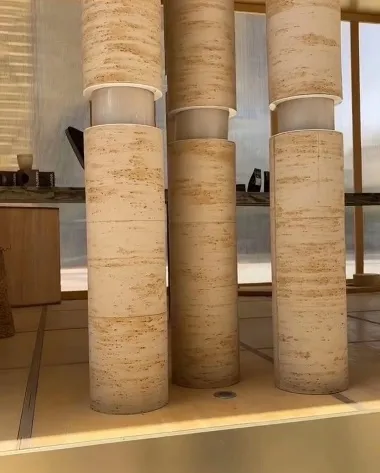
In the fast-paced world of construction, delays can cost millions. A shipment stuck in customs, a product that doesn't meet local specs, or a last-minute design change—these are the challenges that keep project managers up at night. That's why "local support" isn't just a buzzword for top building material suppliers in Saudi Arabia; it's a promise. As a residential building materials supplier and commercial building materials supplier, the difference lies in understanding the unique rhythm of Saudi projects—from the holy month of Ramadan, when schedules shift, to the peak construction season in winter, when demand surges.
Take logistics, for example. A supplier with warehouses in Riyadh, Jeddah, and Dammam can deliver MCM panels to a site in Tabuk in 48 hours, not weeks. That kind of speed is critical when a contractor is racing to meet a deadline for a government project or a developer wants to hand over keys to homeowners on time. "We once had a client in Abha who needed 500 sqm of bamboo charcoal boards for a residential project—they realized at the last minute the original material wouldn't work with the humidity," says a supply chain manager. "Because we had stock in Jeddah, we arranged a special delivery and had the panels on-site within 36 hours. They finished the project on time, and now they're a repeat client."
Local support also means speaking the same language—literally and figuratively. From understanding Saudi Building Code (SBC) requirements to navigating the paperwork for government projects, a supplier rooted in the community knows the ins and outs. For instance, when supplying class A fireproof CPL inorganic boards to a school in Riyadh, the team didn't just deliver the product; they provided certified test reports in Arabic, (helped) the client submit documents to the Ministry of Education, and even attended a site inspection to answer questions from authorities. That level of involvement turns vendors into partners.
And let's not forget after-sales service. A walls supplier isn't just responsible for the panels until they're unloaded—they're responsible for ensuring they perform as promised. If a batch of WPC wall panels (another popular option for moisture-prone areas like balconies) shows unexpected wear, the local team should be on-site within 24 hours to assess, replace, and prevent future issues. That's the kind of reliability that builds trust, and in a market like Saudi Arabia, where relationships matter as much as contracts, trust is everything.
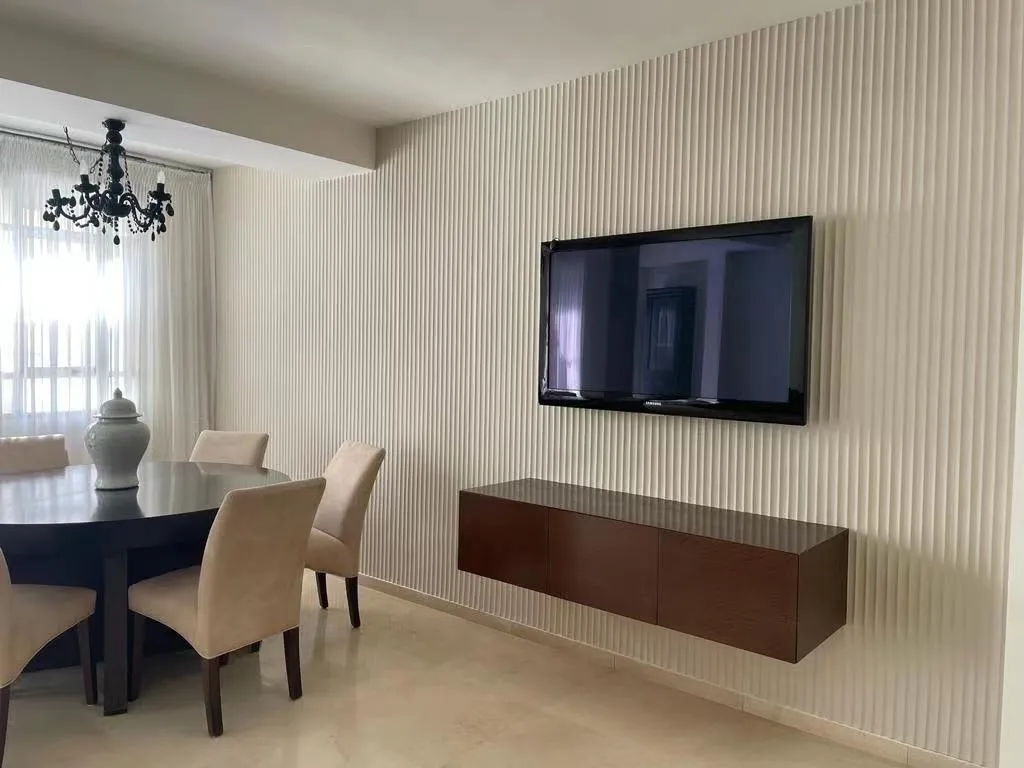
Local support ensures projects run smoothly, but global quality ensures they stand the test of time. For a one-stop architectural solution provider in Saudi Arabia, "global quality" means more than just importing products from abroad—it means partnering with manufacturers who adhere to the strictest international standards, conducting rigorous testing on every batch, and staying ahead of global trends in sustainability and innovation.
Take MCM flexible cladding, for example. The best suppliers source their panels from factories in Europe and Asia that meet ISO 9001 quality standards, ensuring consistent thickness, colorfastness, and flexibility. Before a single panel arrives in Saudi Arabia, it undergoes testing: (exposure to UV rays for 1000 hours to check for fading), impact resistance tests to simulate sandstorms, and thermal expansion tests to ensure it won't warp in extreme heat. "We once rejected a shipment of MCM panels because the color variation was 2% over our tolerance," says a quality control manager. "It delayed delivery by a week, but the client understood—they'd rather wait for perfect than settle for 'good enough.'"
The same rigor applies to other products. Bamboo charcoal board wall panels, for instance, are sourced from suppliers with FSC certification, ensuring the bamboo is harvested sustainably. Class A fireproof CPL inorganic boards are tested to meet ASTM E84 standards for flame spread, giving clients confidence that in the unlikely event of a fire, the materials will perform as expected. Even something as seemingly simple as a porcelain slab tile for wall applications undergoes slip-resistance testing (critical for wet areas like bathrooms) and chemical resistance testing (to ensure cleaning products won't damage the surface).
But global quality isn't just about meeting standards—it's about anticipating needs. As the world moves toward greener construction, leading suppliers in Saudi Arabia are already ahead. For example, some bamboo charcoal boards now come with low-VOC (volatile organic compound) coatings, improving indoor air quality. MCM panels are being developed with recycled content, reducing their carbon footprint. And class A fireproof boards are being engineered to be lighter, without sacrificing safety—making them easier to install and reducing structural load.

The mark of a truly versatile building materials supplier is its ability to serve projects of all sizes and types. Whether it's a small villa in Riyadh or a sprawling hospital complex in Jeddah, the right materials adapt to the space—and the supplier adapts to the project. Let's explore how these wall solutions come to life in different settings.
Residential Projects: For homeowners, walls are more than just dividers—they're part of the home's personality. A family in Khobar might choose MCM flexible cladding for their exterior to evoke the look of traditional stone, giving the villa a timeless feel, while opting for bamboo charcoal board walls inside for a warm, eco-friendly vibe. In Riyadh's diplomatic quarter, where privacy is key, porcelain slab tiles in neutral tones create a sophisticated backdrop for art and furniture, while their durability ensures they stand up to kids and pets. As a residential building materials supplier, the focus is on blending aesthetics with liveability—because a home should look beautiful and feel like home.
Commercial Spaces: Offices, malls, and hotels have different priorities: durability, brand alignment, and creating an impression. A tech startup in Riyadh's King Abdullah Economic City might choose WPC wall panels in sleek gray for their open-plan office, balancing modernity with resistance to scuffs from office chairs. A luxury mall in Jeddah could use large-format porcelain slab tiles for the food court walls, ensuring easy cleaning after spills and a bright, inviting atmosphere. And a five-star hotel in Madinah might opt for MCM cladding in a golden hue, reflecting the city's spiritual significance while withstanding the elements.
Hospitals & Schools: Here, safety and hygiene take center stage. Class A fireproof CPL inorganic boards are a staple in these settings, as they prevent the spread of fire and emit no toxic fumes—critical for protecting vulnerable populations. In a children's hospital in Dammam, these boards are paired with smooth, easy-to-clean surfaces that resist bacteria growth, while in a school in Mecca, their sound-absorbing properties help create quieter classrooms. "We worked with a hospital in Riyadh that wanted walls that were both fire-safe and calming," says a project consultant. "We recommended class A fireproof boards with a soft blue finish—the patients love it, and the staff feels confident in the safety."
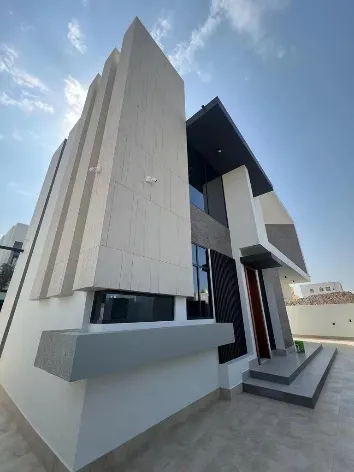
Saudi Vision 2030 isn't just about diversifying the economy—it's about building a nation where infrastructure, sustainability, and quality of life go hand in hand. As a building materials supplier, the role is to be a partner in that vision. Whether it's supporting the development of green buildings with eco-friendly materials like bamboo charcoal boards, or contributing to smart cities with durable, low-maintenance solutions like MCM cladding, the focus is on long-term impact, not short-term gains.
The future holds exciting possibilities. Imagine MCM panels embedded with solar-reflective technology to reduce cooling costs in desert cities. Or bamboo charcoal boards that actively purify the air, making homes healthier. As a one-stop architectural solution provider, the commitment is to stay at the forefront of these innovations, bringing global trends to Saudi soil while never losing sight of local needs.
At the end of the day, building materials are more than just products—they're the foundation of communities. They're the walls that protect families, the surfaces that inspire creativity in schools, the exteriors that make cities proud. As a MCM flexible cladding stone wall panel supplier in Saudi Arabia, and a provider of countless other wall solutions, the mission is simple: to deliver local support that feels personal and global quality that feels uncompromising. Because in the end, the best buildings aren't just built—they're built together.
Recommend Products











