

The Middle East is in the midst of a construction revolution. From the glittering skylines of Dubai to the ambitious megaprojects of Riyadh, cities across the region are rising faster than ever, driven by a hunger for innovation, luxury, and sustainability. But behind every iconic tower, sprawling mall, or sleek residential complex lies a critical question: what materials can keep up with the region's unique demands? Extreme temperatures, sandstorms, strict safety regulations, and a relentless pursuit of architectural excellence—these are the challenges shaping the future of building materials here. And in this landscape, one solution is emerging as a game-changer: MCM flexible cladding stone wall panels.
Far more than just a pretty face, MCM (Mineral Composite Material) panels are redefining what's possible for building facades. Lightweight yet tough, flexible yet durable, they're designed to thrive in the Middle East's harsh conditions while delivering the aesthetic flair that developers and architects crave. In this article, we'll dive into why MCM flexible cladding stone wall panel solutions are becoming the go-to choice for residential and commercial building materials suppliers across the region, and how they're transforming architectural façade solutions from concept to reality.
Let's start with the basics: the Middle East isn't just building—it's reimagining what a city can be. Projects like Saudi Arabia's NEOM, Dubai's Expo City, and Abu Dhabi's Masdar City are pushing boundaries, blending cutting-edge technology with cultural heritage. But with this ambition comes pressure. Developers aren't just looking for materials that look good; they need materials that perform under pressure.
Consider the climate: summer temperatures in Riyadh or Doha regularly hit 45°C (113°F), with intense UV radiation that fades lesser materials. Sandstorms blast buildings with grit, while humidity in coastal cities like Jeddah can warp wood and corrode metal. Add to that strict regulations—Saudi Arabia's Civil Defense Authority, for example, mandates Class A fire resistance for commercial buildings—and it's clear: the "one-size-fits-all" materials of the past won't cut it.
Enter MCM flexible cladding stone wall panels. Born from a blend of mineral composites, natural stone particles, and a reinforced fiber mesh, these panels are engineered to address exactly these challenges. Think of them as the Swiss Army knife of building facades: lightweight enough to reduce structural load, flexible enough to curve around architectural masterpieces, and tough enough to stand up to the Middle East's worst weather.
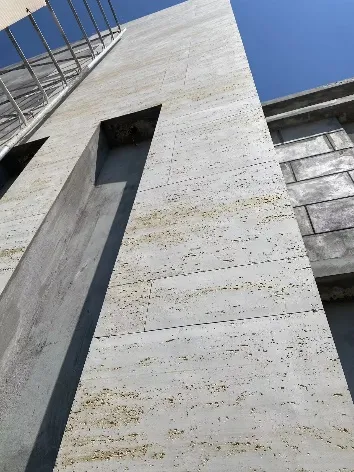
To understand why MCM flexible cladding stone wall panel suppliers are seeing a surge in demand across the region, let's break down their most compelling benefits—tailored to the Middle East's unique needs.
Skyscrapers are the Middle East's signature—Dubai alone has over 100 towers taller than 200 meters. But every meter up adds weight, and traditional cladding materials like natural stone or concrete can weigh 20–30 kg per square meter. That's a massive strain on a building's structure, driving up foundation costs and limiting design flexibility.
MCM panels? They tip the scales at just 3–5 kg per square meter. That's 70–80% lighter than natural stone. For a 50-story tower, that translates to millions in savings on structural reinforcement. "We recently worked on a luxury residential project in Abu Dhabi where switching to MCM panels cut the facade's weight by 80%," says a senior architect at a leading Dubai-based firm. "It let us add an extra two floors without compromising safety—something the client loved."
Gone are the days of boxy, flat buildings. Today's Middle Eastern architecture is all about fluidity—think the sail-shaped Burj Al Arab or the twisting Cayan Tower. But traditional rigid cladding materials struggle with curves; they crack, gap, or require custom cutting that's time-consuming and expensive.
MCM panels, by contrast, are designed to bend. Thanks to their fiber-reinforced core, they can be shaped to radii as tight as 300mm (about a foot), making them perfect for organic, curved facades. "We used MCM panels on a hotel in Riyadh with a wave-like exterior," explains a project manager at a major construction firm. "The panels followed every curve seamlessly—no gaps, no cracks. It looked like the building was carved from a single piece of stone, but it weighed next to nothing."
In the Middle East, a building's facade isn't just for show—it's a shield. MCM panels take this role seriously. Their non-porous surface repels water, so humidity in Jeddah or Kuwait City won't seep in and cause mold. UV-resistant coatings mean they won't fade under the sun, even after decades. And their tough outer layer stands up to sandstorms: unlike porous materials like concrete, MCM panels don't trap dust, so a quick rinse with water is all it takes to keep them looking new.
"We tested MCM panels in our lab against 50°C heat and sandblasting for 1,000 hours," says a materials engineer at a Riyadh-based testing facility. "They came out with zero discoloration, zero cracks. Compare that to aluminum cladding, which started warping after 300 hours, or painted concrete, which chipped and faded. MCM was in a league of its own."
Fire safety is non-negotiable in the Middle East, especially for high-occupancy buildings like hospitals, schools, and malls. Many countries, including Saudi Arabia and the UAE, require Class A fire resistance for exterior cladding—meaning the material won't ignite, spread flames, or release toxic smoke.
MCM panels deliver. Most are rated Class A (ASTM E84 or EN 13501-1), thanks to their mineral-based composition. "We specify MCM panels for all our commercial projects," says a safety consultant in Dubai. "They're inert—no plastic, no flammable additives. In a fire, they char slightly but don't burn, giving occupants crucial time to evacuate. That peace of mind is priceless."
At the end of the day, buildings in the Middle East are statements. Developers want facades that reflect luxury, culture, and modernity. MCM panels deliver here, too. They can mimic the look of natural stone (marble, granite, travertine), wood, or even metal—all with the consistency that natural materials lack. Want a golden sandstone finish for a Riyadh hotel? Or a sleek, black granite look for a Dubai office tower? MCM panels can do it, with zero variation between batches.
"Clients used to worry that lightweight materials would look cheap," says a sales director at a leading MCM flexible cladding stone wall panel supplier. "But when they see MCM panels up close—how they catch the light like real stone, how the texture feels authentic—they're sold. We've even had clients switch mid-project because they couldn't tell the difference between our panels and the natural stone samples they'd originally chosen."
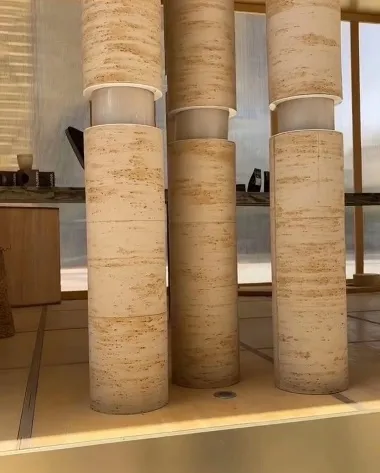
Talk is cheap—let's look at real-world examples of how MCM flexible cladding stone wall panel solutions are transforming projects in the Middle East.
In Dubai's Palm Jumeirah, a high-end residential complex called "Azure Residences" needed a facade that matched its premium location—think ocean views, private pools, and 5-star amenities. The developers wanted the look of travertine stone but worried about the weight and cost. Enter MCM panels.
"We suggested MCM panels with a travertine finish," recalls the project's architect. "They weighed 1/5th of real travertine, so we saved on foundation costs. Plus, their thermal insulation properties meant units stayed cooler in summer—residents reported AC bills dropping by 20%. And aesthetically? You can't tell the difference. From the beach, the buildings look like they're clad in natural stone."
In Riyadh, the "Al Faisaliah Tower 2" office complex needed a facade that would stand out in the city's skyline while meeting strict sustainability goals. The design called for a curved, gold-toned exterior—symbolizing Saudi Arabia's heritage—with LEED Gold certification.
MCM panels were the answer. Their lightweight design reduced the building's carbon footprint during construction, while their reflective surface cut solar heat gain by 35%, lowering energy use. "The client was blown away," says the project manager. "The gold finish is vibrant, even in the sun, and the curves give the tower a dynamic look. Plus, because MCM panels are low-maintenance, the building will look this good for decades—no repainting, no sealing, just occasional cleaning."
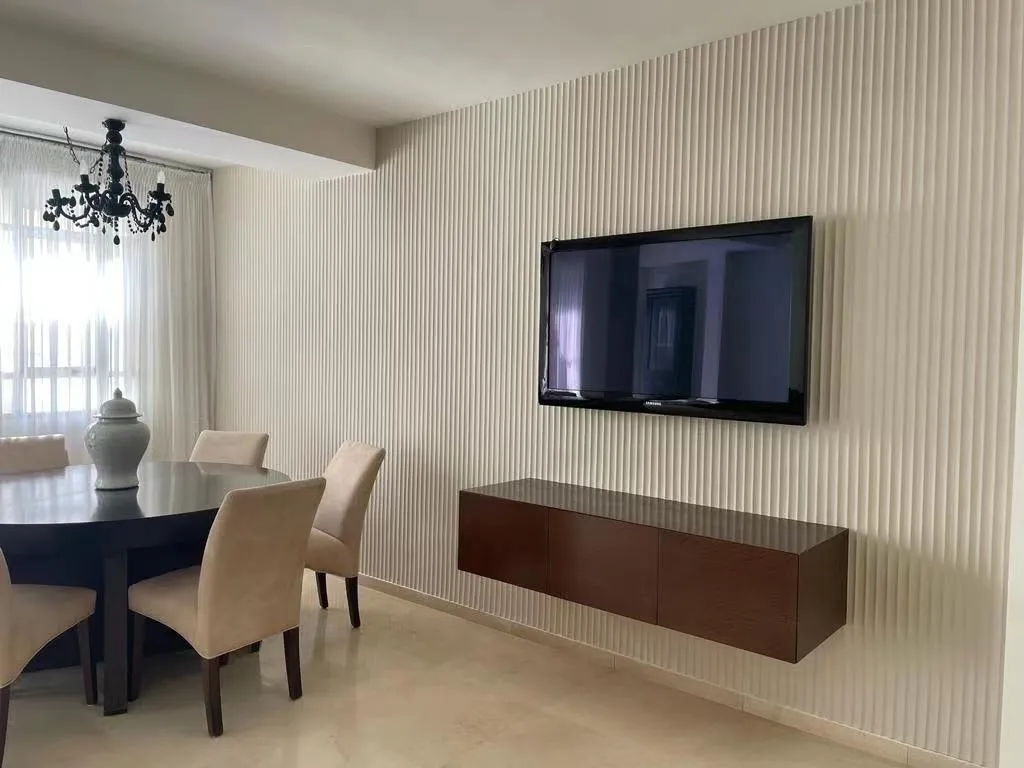
Still on the fence? Let's put MCM panels head-to-head with the materials they're replacing. The table below compares key factors for residential and commercial building materials suppliers in the Middle East:
| Material | Weight (kg/sqm) | Installation Time (per 100 sqm) | Fire Rating | UV Resistance | Long-Term Maintenance Cost |
|---|---|---|---|---|---|
| MCM Panels | 3–5 | 1–2 days | Class A | Excellent (no fading) | Low (occasional cleaning) |
| Natural Stone | 25–30 | 3–5 days | Class A | Good (may fade slightly) | Moderate (sealing every 2–3 years) |
| Aluminum Composite Panels | 5–7 | 2–3 days | Class B (some Class A) | Fair (fades in 5–7 years) | High (repainting every 5 years) |
| Concrete Panels | 20–25 | 4–6 days | Class A | Good (may crack) | High (repairs for cracks, sealing) |
The verdict? MCM panels outperform traditional materials in nearly every category that matters to Middle East developers: weight, speed, durability, and long-term cost. It's no wonder that forward-thinking architectural façade solutions providers are making MCM their go-to choice.

Not all MCM panels are created equal. To get the most out of this material, developers and contractors need a reliable MCM flexible cladding stone wall panel supplier—one that understands the Middle East's unique needs.
What should you look for? Local expertise is key. A supplier with a presence in the region can offer faster delivery, custom color matching (critical for projects that need to blend with local architecture), and on-site technical support. "We had a project in Kuwait where the client wanted a custom 'desert rose' finish," says a procurement manager. "Our local supplier created samples in a week, adjusted the color based on feedback, and delivered the panels on time. An international supplier would have taken months."
Certifications matter, too. Ensure the supplier's panels meet local standards: Saudi Arabia's SASO, the UAE's ESMA, or Qatar's QS. And don't forget after-sales service. A good supplier will stand behind their product, offering warranties and help with installation training.
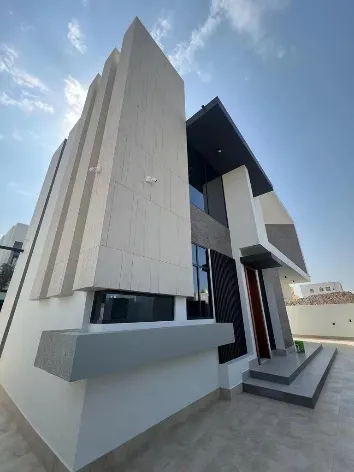
As the Middle East continues to build bigger, better, and more sustainably, MCM flexible cladding stone wall panel solutions are poised to become the backbone of the region's architectural revolution. They're not just a material—they're a solution that aligns with the Middle East's ambition: to blend tradition and innovation, durability and beauty, practicality and luxury.
Whether you're building a luxury villa in Dubai, a commercial tower in Riyadh, or a mixed-use development in Doha, MCM panels offer something no other material can: the freedom to dream big, without compromising on performance. In a region that's redefining what's possible in construction, MCM panels are more than a trend—they're the future.
So, the next time you look up at a gleaming new building in the Middle East, take a closer look. Chances are, it's wrapped in MCM panels—quietly revolutionizing the skyline, one flexible, durable, beautiful facade at a time.
Recommend Products











