

Saudi Arabia's construction industry is in the midst of a remarkable transformation. Driven by Vision 2030, mega-projects like NEOM, the Red Sea Project, and countless residential and commercial developments are reshaping the kingdom's skyline. With this growth comes a pressing need for building materials that can keep pace with ambition—materials that blend durability, innovation, and aesthetic appeal. Among the solutions gaining rapid traction is MCM flexible cladding stone wall panel solutions , a game-changing option for architects, developers, and homeowners alike. In this article, we'll explore why MCM cladding is becoming the go-to choice for modern construction in Saudi Arabia, how it addresses local challenges, and why partnering with a one-stop architectural solution provider can elevate your next project.
Before diving into their applications in Saudi Arabia, let's demystify MCM panels. MCM, or Metal Composite Material, is a cutting-edge cladding solution that combines the look and feel of natural stone with the flexibility of modern engineering. At its core, an MCM panel consists of two thin metal sheets (typically aluminum) bonded to a non-aluminum core, often filled with mineral-filled polymers or stone particles. This unique structure gives MCM panels their defining traits: lightweight composition , exceptional flexibility , and impressive durability .
Unlike traditional stone cladding, which is heavy and rigid, MCM panels can bend and curve without cracking, making them ideal for complex architectural designs—think sweeping arches, geometric facades, or custom-shaped buildings. They're also available in a wide range of finishes, from matte to high-gloss, and can mimic the appearance of granite, marble, travertine, or even wood grain. This versatility has made them a favorite among designers aiming to balance functionality with visual impact.
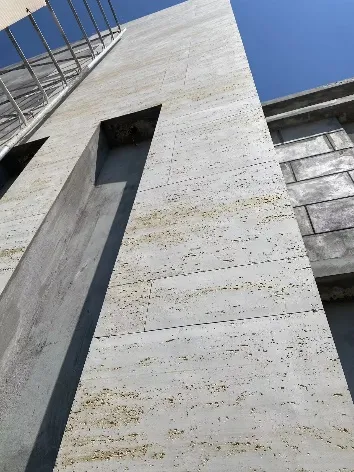
To understand why MCM cladding is thriving in Saudi Arabia, we first need to grasp the local construction context. Vision 2030, the kingdom's ambitious plan to diversify its economy, has sparked a construction boom unlike any other. From luxury resorts along the Red Sea to smart cities like NEOM, and from affordable housing projects to state-of-the-art commercial towers, the demand for high-quality building materials is skyrocketing.
But with growth comes challenges. Saudi Arabia's climate is unforgiving: summer temperatures soar above 50°C, sandstorms are frequent, and coastal areas face high humidity. Traditional building materials often struggle here—stone cladding can crack under thermal expansion, wood-based products warp in moisture, and heavy materials strain structural integrity in high-rise projects. Additionally, developers are under increasing pressure to meet sustainability goals, reduce construction timelines, and deliver projects that stand out in a crowded market.
This is where architectural façade solutions like MCM cladding step in. They're designed to address these pain points head-on, offering a blend of resilience, efficiency, and beauty that aligns with Saudi Arabia's construction needs.
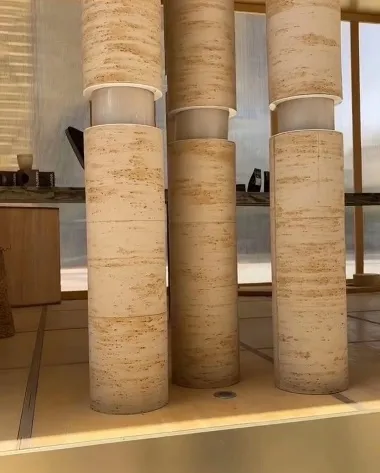
So, what makes MCM panels particularly well-suited for Saudi Arabia? Let's break down their key advantages:
1. Built to Withstand Extreme Weather
Saudi Arabia's scorching heat and sandstorms are no match for MCM panels. The aluminum outer layers reflect sunlight, reducing heat absorption and helping buildings stay cooler—an essential feature for energy efficiency. The panels are also resistant to corrosion, fading, and abrasion, ensuring they maintain their appearance even after years of exposure to harsh elements. Unlike traditional stone, which can absorb moisture and crack in temperature fluctuations, MCM's non-porous surface repels water and sand, making it ideal for both inland and coastal projects.
2. Lightweight Design Reduces Structural Load
High-rise buildings and large-scale commercial projects in cities like Riyadh and Jeddah demand materials that minimize structural stress. Traditional stone cladding can weigh 50–80 kg per square meter, putting immense pressure on foundations and frames. MCM panels, by contrast, weigh just 3–6 kg per square meter—less than 10% of the weight of natural stone. This not only cuts down on construction costs (fewer structural supports needed) but also speeds up installation, as panels can be handled and fixed with minimal labor.
3. Flexibility for Bold Architectural Visions
Modern Saudi projects, from the futuristic lines of NEOM to the luxury villas in Riyadh, call for designs that push boundaries. MCM panels' flexibility allows architects to experiment with curves, angles, and custom shapes that would be impossible with rigid materials. Whether it's a sweeping façade for a hotel or an intricate accent wall for a residential complex, MCM adapts to the design, not the other way around.
4. Fire Safety Compliance
Safety is a top priority in Saudi construction, especially for commercial and public buildings like hospitals, schools, and shopping malls. Many MCM panels are fire-rated, meeting strict local and international standards (such as Class A fire resistance). This makes them a reliable choice for projects where fire safety is non-negotiable, aligning with the kingdom's stringent building codes.
5. Low Maintenance, Long Lifespan
For developers and homeowners, maintenance costs can add up over time. MCM panels require minimal upkeep—occasional cleaning with water and mild detergent is usually enough to keep them looking new. Their resistance to fading and corrosion also means they have a lifespan of 30+ years, making them a cost-effective investment in the long run.
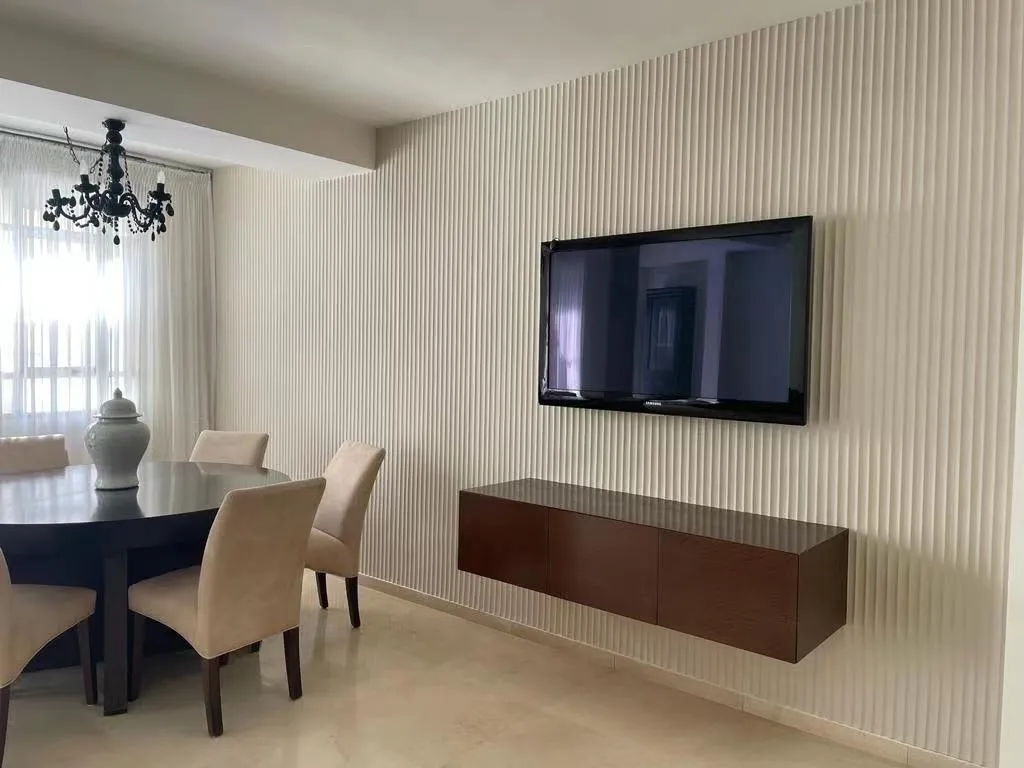
MCM flexible cladding isn't just a one-trick pony—it shines in both residential and commercial building projects. Let's explore how:
Residential Projects
In Saudi Arabia's thriving residential sector, where homeowners seek both luxury and practicality, MCM panels are transforming exteriors and interiors. For villas in Riyadh's upscale districts, MCM cladding offers the elegance of natural stone without the weight or cost. Imagine a villa with a curved MCM façade in a warm sandstone finish, complemented by large windows and landscaped gardens—it's a statement of modern living that stands up to the desert sun. Inside, MCM panels are used for accent walls in living rooms or bedrooms, adding texture and depth without overwhelming the space. Homeowners also appreciate that MCM is low-maintenance, freeing up time for more important things than cleaning or repairing cladding.
Commercial Projects
Commercial developers are equally enthusiastic about MCM. Hotels along the Red Sea coast use MCM panels to create striking exteriors that reflect the ocean and sky, while withstanding saltwater and humidity. Office buildings in Jeddah's business districts leverage MCM's flexibility to design iconic facades that become landmarks—think a tower with a geometric pattern of MCM panels in varying shades of blue, symbolizing innovation. Even hospitals and schools, which prioritize safety and durability, are turning to MCM for their exteriors, thanks to its fire resistance and easy-to-clean surface.

To truly appreciate MCM's value, let's compare it to other popular cladding options in Saudi Arabia. The table below highlights key factors like weight, durability, and cost:
| Material | Weight (kg/m²) | Flexibility | Weather Resistance (Heat/Sand) | Installation Time | Fire Rating | Cost (Relative) |
|---|---|---|---|---|---|---|
| MCM Flexible Cladding | 3–6 | High (bends without cracking) | Excellent (reflects heat, repels sand) | Fast (lightweight, easy to handle) | Class A (often) | Moderate |
| Traditional Granite Stone | 50–80 | Low (rigid, prone to cracking) | Good (but heavy, heat absorption) | Slow (requires heavy machinery) | Class A | High |
| PU Stone Wall Panel | 8–12 | Moderate (limited bending) | Fair (may fade in extreme heat) | Moderate | Class B (varies by product) | Low–Moderate |
| WPC Wall Panel | 10–15 | Low (rigid, moisture-sensitive) | Poor (warping in humidity/heat) | Moderate | Class C (flammable) | Low |
As the table shows, MCM outperforms competitors in key areas: it's lighter than granite, more flexible than PU or WPC panels, and offers superior weather resistance—all while maintaining a moderate cost. For Saudi projects balancing aesthetics, performance, and budget, this combination is hard to beat.
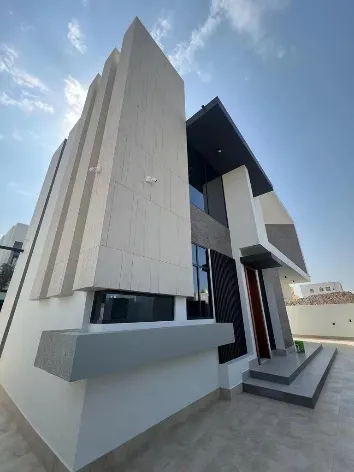
While MCM panels are impressive on their own, their impact is amplified when sourced from a one-stop architectural solution provider . Here's why:
Streamlined Project Management
Coordinating with multiple suppliers for cladding, flooring, and façade materials can delay projects and create inconsistencies. A one-stop provider offers MCM panels alongside other essential materials—from
architectural façade solutions
to flooring and even wall panels—ensuring all components align in quality, style, and delivery timelines. This reduces administrative hassle and keeps projects on track.
Expertise in Local Needs
A supplier with deep roots in Saudi Arabia understands the unique challenges of the local market, from navigating building codes to sourcing materials that withstand the climate. They can recommend the best MCM finishes for coastal vs. inland projects, advise on fire safety compliance, and even assist with custom designs tailored to Vision 2030's sustainability goals.
Consistency in Quality
When all materials come from a single provider, you can trust that they meet the same high standards. This is especially important for large-scale projects where consistency in color, texture, and performance across cladding, flooring, and other elements is key to achieving a cohesive look.
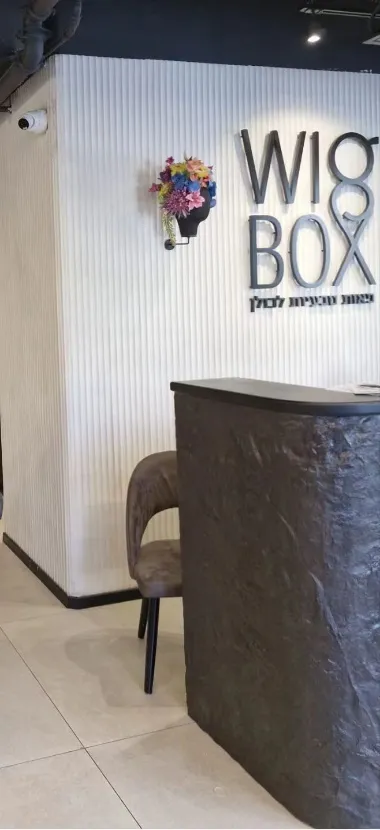
As Saudi Arabia continues to build toward Vision 2030, MCM flexible cladding stone wall panel solutions will play an increasingly vital role. Their ability to blend durability, flexibility, and beauty makes them a perfect fit for the kingdom's ambitious projects. Whether it's a residential villa in Riyadh, a commercial tower in Jeddah, or a landmark development in NEOM, MCM panels offer a solution that's as innovative as the projects themselves.
For developers, architects, and homeowners, the message is clear: to stay ahead in Saudi Arabia's competitive construction market, embracing materials like MCM is not just an option—it's a necessity. And by partnering with a one-stop provider that understands local needs, you can ensure your project not only meets but exceeds expectations.
In the end, MCM flexible cladding isn't just a building material—it's a tool for turning vision into reality. As Saudi Arabia's skyline continues to evolve, MCM panels will be there, shaping the future of construction one innovative project at a time.
Recommend Products











