

Buildings are more than just structures—they're the backdrops to our lives. They shelter us, inspire us, and shape the way we experience the world around us. And at the heart of any great building is its "skin": the materials that protect it from the elements while defining its character. For architects, builders, and homeowners alike, choosing the right wall cladding is a balancing act—one that demands durability, beauty, and practicality. Enter MCM flexible cladding stone wall panels: a material that's redefining what's possible in modern architecture. In this article, we'll explore what makes these panels stand out, their key material properties, and why partnering with the right supplier matters just as much as the product itself.
Walk through any city today, and you'll notice a shift in architectural trends. Gone are the days of rigid, one-size-fits-all facades. Today's designs celebrate curves, textures, and unique silhouettes—think sweeping archways, cylindrical towers, and facades that seem to flow rather than stand still. But with these bold designs comes a challenge: traditional cladding materials like natural stone or brick are heavy, rigid, and often impractical for complex shapes. They're also expensive to transport, difficult to install, and prone to cracking if the building shifts even slightly.
That's where MCM flexible cladding stone wall panels come in. Short for Mineral Composite Material (or sometimes Metal Composite Material, depending on composition), these panels are engineered to mimic the look and feel of natural stone—think granite, travertine, or slate—without the weight and rigidity. They're made by blending mineral aggregates (like stone dust, quartz, or marble chips) with high-performance polymers and reinforcing fibers, creating a material that's both strong and surprisingly pliable. The result? A cladding solution that can bend, curve, and conform to even the most ambitious designs, all while delivering the timeless beauty of stone.
But MCM panels aren't just a hit with architects. Homeowners love them for their low maintenance, builders appreciate their ease of installation, and developers value their cost-effectiveness over the long term. As a leading mcm flexible cladding stone wall panel supplier, we've seen firsthand how these panels are transforming projects—from cozy residential homes to sprawling commercial complexes. They're not just a material; they're a solution to the age-old problem of wanting it all: beauty, durability, and design freedom.
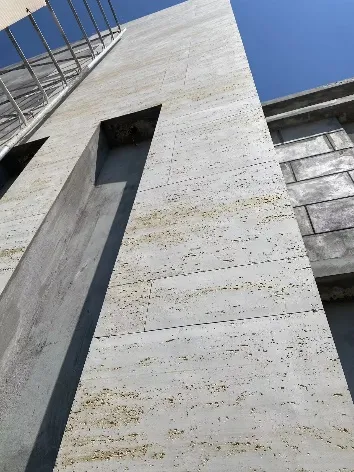
At first glance, MCM panels might look like any other stone cladding. But dig deeper, and you'll discover a host of properties that set them apart. Let's break down the key features that make these panels a top choice for both residential and commercial projects.
The "flexible" in MCM flexible cladding isn't just marketing—it's a game-changer. Unlike natural stone, which cracks under pressure, MCM panels can bend to radii as tight as 30 centimeters (about 12 inches) without losing structural integrity. This means they're perfect for those eye-catching curved walls, domed ceilings, or spiral staircases that make a project memorable. Imagine designing a boutique hotel with a facade that curves gently like a wave; with MCM panels, that vision isn't just possible—it's achievable without compromising on strength.
This flexibility also makes installation a breeze. Traditional stone cladding requires precise cutting, heavy lifting equipment, and a team of skilled masons. MCM panels, by contrast, are lightweight (typically 4-6 kg per square meter, compared to 20-30 kg for natural stone) and can be cut on-site with basic tools. They attach to the building using a simple rail system or adhesive, reducing installation time by up to 40% on average. For contractors working on tight deadlines, that's a difference that can make or break a project.
Beauty is important, but a cladding material that fades, cracks, or warps after a few years is a waste of money. MCM panels are engineered for the long haul. Their mineral-polymer blend resists scratches, stains, and UV damage, so they'll keep their color and texture even after decades of exposure to sunlight, rain, or snow. In coastal areas, where salt spray can corrode metal and degrade organic materials, MCM panels stand strong—their non-porous surface prevents salt from seeping in and causing damage.
We once worked with a client in Riyadh who was building a commercial plaza in a desert climate. Temperatures there can soar to 50°C (122°F) in summer and drop to 5°C (41°F) in winter—extremes that would cause many materials to expand, contract, and eventually fail. The client chose MCM panels for the facade, and five years later, the plaza still looks as crisp and vibrant as the day it opened. That's the durability we're talking about.
Let's be honest: if MCM panels didn't look good, none of the other benefits would matter. But here's the thing: they don't just "look like" stone—they can be tailored to look like any stone. Want the rough-hewn charm of a mountain lodge? Choose a panel with a textured, chiseled finish. Dreaming of a sleek, modern office building? Opt for a polished, uniform surface that mimics black granite. Suppliers offer hundreds of color options, from warm beiges and earthy browns to bold grays and even custom hues for clients with a specific vision.
But it's not just about color and texture. MCM panels can also be printed with patterns, logos, or even artwork, making them ideal for brand-focused commercial projects. Imagine a coffee shop with a facade that features a custom tile pattern of coffee beans, or a museum with panels that replicate ancient stone carvings. The possibilities are limited only by your imagination—and a good supplier will work with you to turn those ideas into reality.
In today's world, sustainability isn't a nice-to-have—it's a must. Clients, regulators, and even end-users are increasingly demanding materials that minimize environmental impact, and MCM panels deliver on that front. Many are made using recycled mineral aggregates (leftover from quarrying operations, for example), reducing the need for new raw materials. They're also low in volatile organic compounds (VOCs), which means they don't off-gas harmful chemicals into the air—a critical feature for indoor spaces like schools, hospitals, or homes.
Then there's the energy savings. MCM panels act as a natural insulator, helping to regulate indoor temperatures and reduce heating and cooling costs. In fact, some studies show that buildings clad with MCM panels can cut energy use by up to 15% compared to those with traditional cladding. For developers aiming for LEED or Estidama certifications, that's a significant step toward meeting sustainability goals.
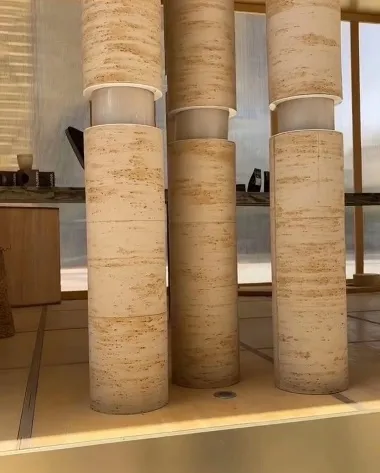
Great materials are important, but they're only as good as the supplier behind them. Choosing a mcm flexible cladding stone wall panel supplier isn't just about ordering a product—it's about partnering with a team that understands your project, your challenges, and your vision. Here's what sets the best suppliers apart:
The best suppliers don't specialize in just one type of project—they've worked on everything from single-family homes to skyscrapers, and they bring that breadth of experience to every job. As a residential building materials supplier, they understand the unique needs of homeowners: privacy, comfort, and a facade that reflects personal style. As a commercial building materials supplier, they know that durability, brand alignment, and low maintenance are non-negotiable for businesses. This versatility means they can adapt their mcm flexible cladding stone wall panel solutions to fit your specific project, whether you're building a boutique hotel or a suburban villa.
Off-the-shelf products have their place, but when you're aiming for something truly unique, customization is key. Top suppliers offer more than just standard sizes and colors—they'll work with you to create panels that fit your exact specifications. Need a panel that's 2 meters wide instead of the standard 1.2? No problem. Want a custom texture that matches a historic building next door? Their design team will sample, test, and refine until it's perfect. They'll even provide 3D renderings or physical samples so you can see exactly how the panels will look before production starts.
A beautiful panel is useless if it fails a year down the line. That's why the best suppliers take quality control seriously— very seriously. They source raw materials from trusted quarries and manufacturers, conduct rigorous testing on every batch (for strength, flexibility, fire resistance, and UV stability), and inspect panels one by one before shipping. Some even offer third-party certifications, like ISO 9001 for quality management or CE marking for compliance with European standards. When you partner with a supplier that prioritizes quality, you can rest easy knowing your cladding will stand the test of time.
Installing cladding can be tricky, especially if you're working with curved surfaces or unique designs. The right supplier won't just drop off the panels and disappear—they'll provide ongoing technical support to ensure the installation goes smoothly. That might mean sending a team to your site to take measurements, offering guidance on fastening systems, or troubleshooting issues if something doesn't fit as expected. Some even provide training for your installation crew, ensuring everyone is on the same page and the job gets done right the first time.
MCM panels are often just one part of a larger facade system. The best suppliers understand this, and they offer integrated architectural façade solutions that include everything from insulation and waterproofing to trim and accessories. This one-stop-shop approach simplifies logistics (no coordinating with multiple vendors), ensures compatibility between materials (no more mismatched colors or ill-fitting parts), and saves you time and money in the long run. It also means you have a single point of contact for any questions or issues, making the entire process less stressful.
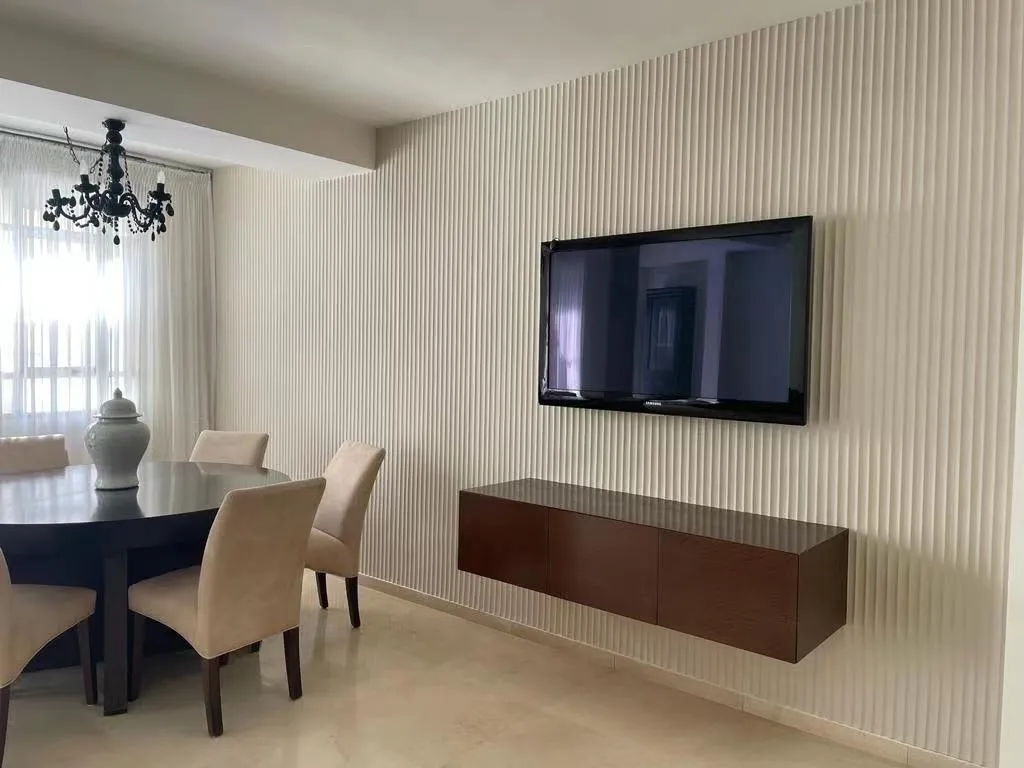
To truly understand the value of MCM flexible cladding stone wall panels, it helps to see how they compare to other popular cladding options. Below is a breakdown of key features, from flexibility to cost:
| Feature | MCM Flexible Cladding Stone Panel | PU Stone Wall Panel | WPC Wall Panel | Bamboo Charcoal Board Wall Panel |
|---|---|---|---|---|
| Flexibility | High (can bend to 30cm radius) | Low (best for flat surfaces) | Moderate (limited bending) | Low (rigid, prone to cracking if bent) |
| Weight (kg/m²) | 4-6 | 8-10 | 12-15 | 18-20 |
| Durability | High (30+ year lifespan; UV and weather resistant) | Moderate (15-20 years; may fade in direct sunlight) | Moderate (10-15 years; susceptible to moisture damage) | High (25+ years; moisture-resistant but heavy) |
| Aesthetic Range | Wide (mimics stone, custom colors/textures) | Limited (mostly rustic stone looks) | Moderate (wood-like finishes only) | Limited (natural wood grain or solid colors) |
| Installation Time | Fast (30% quicker than natural stone) | Moderate (similar to MCM but less flexible) | Slow (requires precise cutting) | Slow (heavy, requires extra labor) |
| Cost Range | Mid-range ($30-$50/m²) | Low ($20-$35/m²) | Mid-range ($35-$55/m²) | High ($60-$80/m²) |
As you can see, MCM panels excel in flexibility, weight, and aesthetic range, making them a top choice for projects that demand both form and function. They're also competitively priced, offering better long-term value than heavier, less durable options like bamboo charcoal board.

The Al-Mansoori Complex is a 30-unit residential development in Dubai, designed to blend modern luxury with traditional Emirati architecture. The client wanted a facade that looked like hand-laid sandstone but was lightweight enough for the building's structure and easy to maintain in the desert heat. As the mcm flexible cladding stone wall panel supplier, we worked with the architect to create custom panels in a warm golden-brown hue, with a textured finish that mimics the look of natural sandstone. The panels were cut to fit the complex's curved balconies and arched entryways, and installed in just 6 weeks (compared to the 12 weeks estimated for natural stone). Today, residents love the building's unique exterior, and the developer reports zero maintenance issues—even after three years of intense sun and occasional sandstorms.
Skyline Mall is a 100,000 m² commercial complex in Riyadh, featuring retail stores, a food court, and a cinema. The goal was to create a facade that would attract shoppers and stand out in the city's skyline. The design called for a mix of bold geometric shapes and vibrant colors, including a 50-meter curved "feature wall" at the main entrance. We supplied MCM panels in three custom colors—deep blue, silver, and charcoal—and printed the mall's logo onto select panels for brand visibility. The panels were installed using a rail system that allowed for quick adjustments during installation, ensuring the curved wall fit perfectly. Since opening, the mall has become a local landmark, with visitors often commenting on its "futuristic yet inviting" exterior.
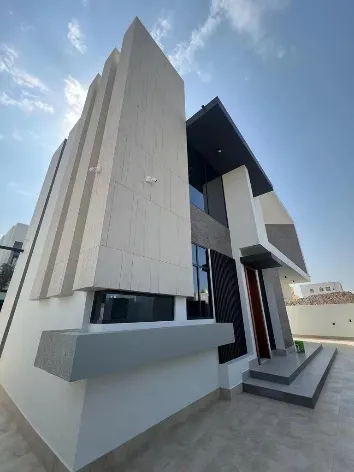
MCM flexible cladding stone wall panels are more than just a building material—they're a tool for innovation. They let architects push the boundaries of design, help builders save time and money, and give homeowners and businesses a facade that's both beautiful and built to last. But none of this matters without the right supplier. The best mcm flexible cladding stone wall panel suppliers don't just sell products—they partner with you, bringing expertise, customization, and support to every step of the process.
So whether you're designing a cozy home, a bustling commercial space, or a landmark building, remember: the right cladding can turn a good project into a great one. And with MCM panels and a supplier who understands your vision, the possibilities are endless. After all, buildings are meant to be experienced—and with the right skin, they'll leave a lasting impression for years to come.
Recommend Products











