


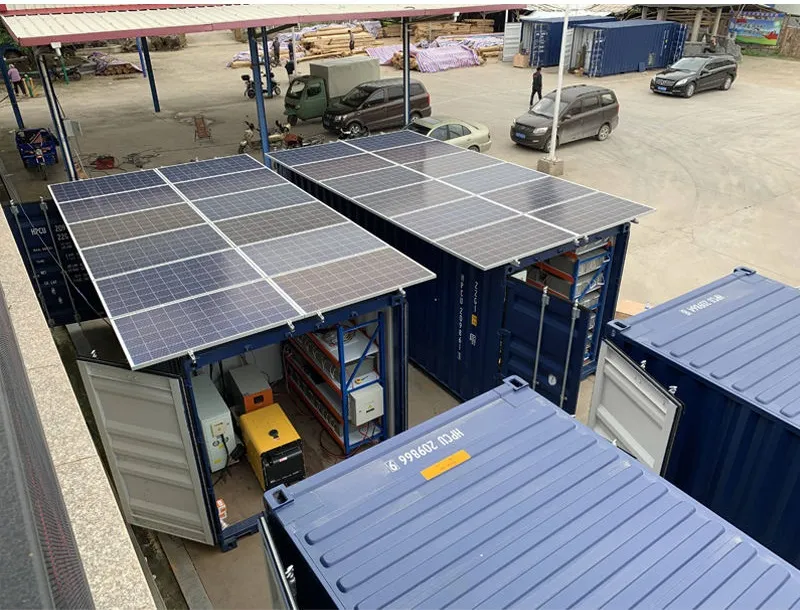
You're staring at that cramped city balcony or tiny backyard, wondering: "Can I seriously generate meaningful power here?" Turns out you absolutely can. The game-changer? Monocrystalline solar panels—those sleek dark tiles that turn even postage-stamp spaces into power plants.
These high-efficiency marvels aren't just tech jargon—they're the golden ticket for urban homeowners, rooftop gardeners, and anyone wrestling with space constraints. If you've ever felt shut out of renewable energy because your property doesn't resemble a Texas ranch, prepare for that frustration to melt away. What follows is the real deal on squeezing megawatt performance from micro spaces.
The Beautiful Physics of Efficiency
Let’s break down why mono panels run circles around polycrystalline and thin-film alternatives:
- Single-crystal purity means electrons slide through like skaters on fresh ice—minimal friction, maximum flow
- Tiny footprint, big output – we're talking 50% more watts per square meter versus poly panels
- Low-light champs that keep producing when clouds roll in or shadows creep across your patio
Laboratory stats become deeply personal when your neighbor’s panels go dormant while yours quietly defy gloomy weather. "How'd you keep your lights on during that storm?" becomes your new small-talk topic.
Think of it like seating a dinner party: Poly panels are folding chairs—functional but space-hungry. Monocrystalline? They're custom banquettes fitting twelve guests in an alcove built for eight. Same nourishing results, radically smarter packing.
Making the Impossible Possible
Case Study: Brooklyn Brownstone
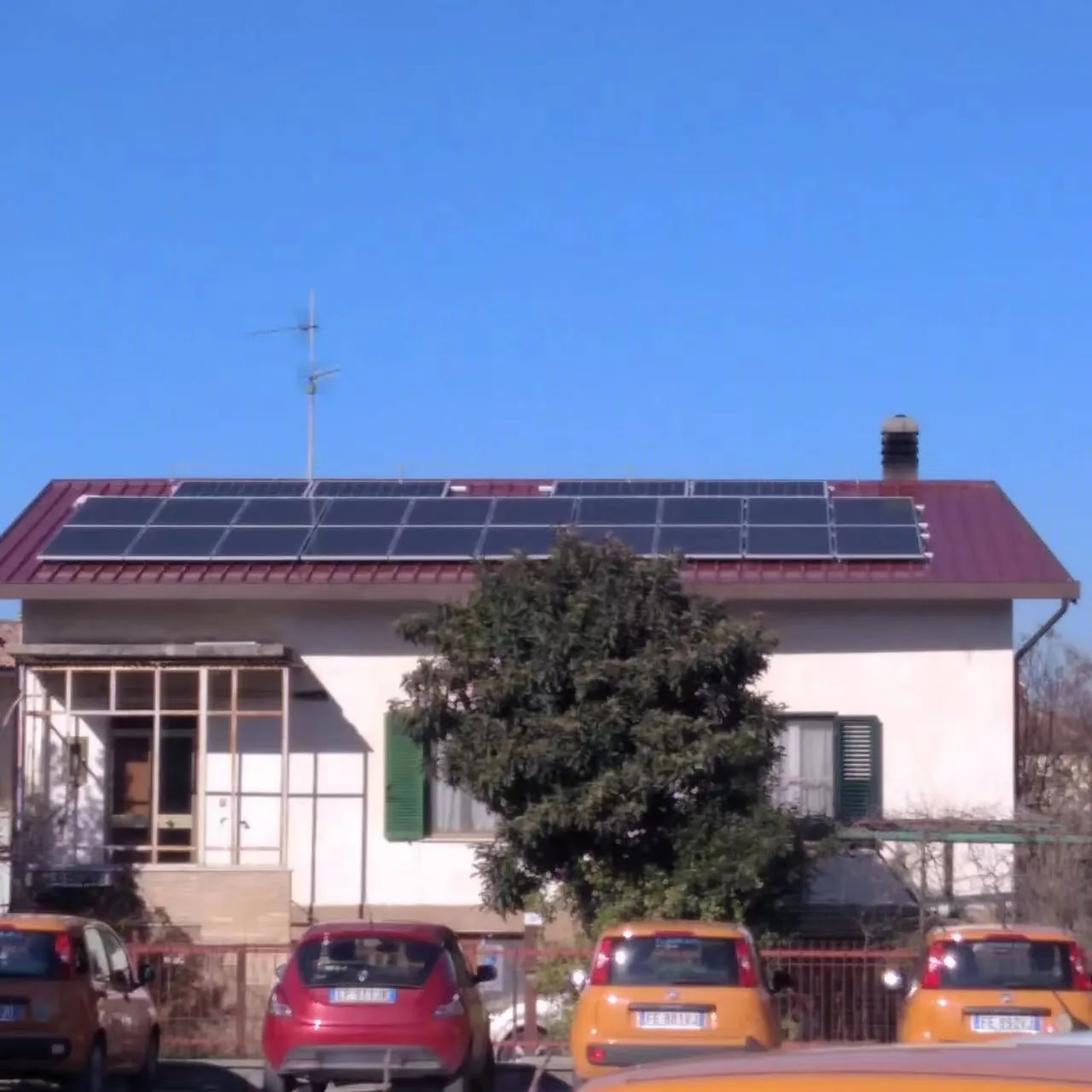
The Ramirez family had given up hope until discovering monocrystalline solutions. "Our roof is basically a catwalk," Maria laughs. "But these panels? They fit in the 350 sq ft area like puzzle pieces. Now we slash $90/month off our ConEd bill—even with two teenagers gaming nonstop."
Their installer used integrated wall panels for mounting, proving solar works without sprawling yards. The cladding even earned compliments from their notoriously picky brownstone committee.
Case Study: Tokyo Micro-Business
Above his ramen shop, Chef Sato thought energy independence was impossible. Then came custom Sanyo monocrystallines lining his 12×15 meter rooftop—an area smaller than most suburban garages. "The humidity was destroying my equipment," he shares. "Now solar powers intense dehumidification while still feeding electricity back to the grid. Humidity-controlled ceramics are amazing."
These aren't freak exceptions. From balcony rail-mounts in Berlin to fire escape-compliant rigs in Chicago, smart configurations are rewriting spatial rules globally.
Next-Gen Magic Just Around the Corner
The monocrystalline revolution keeps accelerating. Labs now tease us with prototypes hitting 35% efficiency—almost doubling current models. What makes this special?
- Perovskite tandem layers capturing wavelengths silicon misses
- Ultra-thin profiles bending like book pages over curved surfaces
- Quantum dot tech turning UV and infrared into usable current
Imagine spraying solar collection like window tint onto your skylights. That’s the trajectory. And when paired with bamboo charcoal wallboard for passive cooling, the synergy creates self-regulating micro-environments perfect for compact spaces.
The Dollars and Sense
"Sure it works," you're thinking, "but will it bankrupt me?" Quite the opposite:
| Residential setup (typical 4kW) | $10K-$14K before incentives |
| Utility savings (avg) | $1,200-$1,800/year |
| Payback period | 8-10 years |
| Post-payback profit | 20+ years of free power |
For commercial spaces like coworking hubs, payoffs happen even faster. "Our Chelsea rooftop paid for itself in 4 years," marvels PulseWork CEO Rebecca Cho. "Turns out monocrystalline installs are solid investments—like buying commercial real estate at discount prices."
Your Personal Power Revolution
Stop wondering whether solar can work in your spatially challenged reality. The monocrystalline breakthrough means even fire escapes, balcony rails, and tiny backyards qualify as legitimate power stations. The physics doesn’t lie—these panels squeeze remarkable energy from minimal footprints.
Your journey starts with two steps: Measure your available space honestly (closets don’t count!), then consult specialists familiar with ultra-compact deployments. You'll likely discover your property holds far more potential than you ever imagined.
The age of spatial limitations is over. Welcome to energy abundance.










