
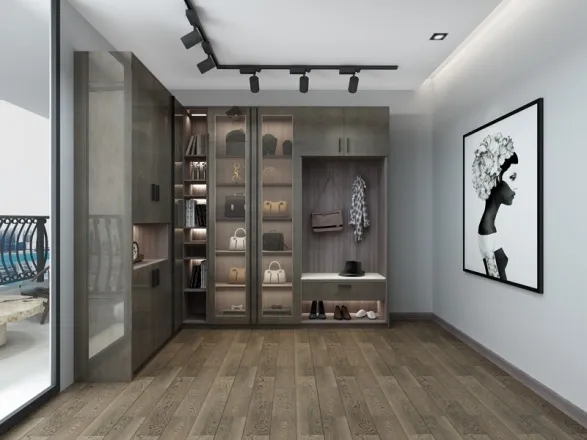
Hey there! If you're like most people, your shoe cabinet isn't just storage – it's the frontline defense against muddy sneakers, rainy boots, and that mysterious liquid your pet tracked in last Tuesday. Choosing the right material isn't just about looks; it's about creating a battle-ready guardian for your precious footwear. Forget boring technical specs – let's talk real life. What happens when your teenage kid dumps wet soccer cleats inside? How will it handle your daily ballet flats vs. hiking boots? We're diving deep into the materials that laugh in the face of chaos and come out looking fabulous.
Walking into a room with a solid oak shoe cabinet feels like sipping hot cocoa by a fireplace. That rich grain? Pure magic. But is it practical? Absolutely – hardwoods like teak or walnut are nature's warriors. I remember helping a client choose teak for her beach house entryway. Five years later, salty air hasn't even phased it. The secret? Densities above 600 kg/m³ create a natural barrier – less soaking, more shrugging off spills like "is that all you've got?"
Engineered vs Solid: That "solid wood" label? Sometimes it's layered plywood core. Great for stability (less twisting), but check edges – exposed layers = moisture highways.
Finish Matters: Oil finishes soak in for natural matte looks but need reapplying. Lacquer creates plastic-like armor but shows scratches. My vote? Water-based polyurethane – tough yet low-odor.
Ever visited a boutique hotel lobby? Those gleaming shoe cabinets aren't just stylish – they're survivors. Stainless steel laughs at juice spills, while powder-coated aluminum adds color without chipping. The real hero? Type 316 marine-grade stainless . I installed these in a lake house where wet gear was constant. Three years later: zero rust, still shining.
Pro Tip: Pair metal frames with rubber-lined shelves. Cuts noise, prevents sliding, and adds traction for heels!
Don't underestimate plastic – modern composites rival premium materials. Take corrosion-resistant polypropylene . Perfect for pool houses or humid climates where metal rusts and wood molds. A client in Miami chose UV-stabilized plastic cabinets – five years under brutal sun, still vibrant with no warping.
Imagine wood's warmth meeting plastic's toughness. That's waterproof wood plastic wallboard (WPC) – essentially sawdust fused with polymers. It creates hybrid materials that mock spilled drinks while mimicking oak grains. Perfect for families needing bulletproof storage that still looks sophisticated.
Moisture doesn't just warp cabinets – it breeds mildew that ruins leather. Top defense? Avoid flat tops where humidity pools. Go for slatted or vented designs instead. In coastal projects, we add silica gel panels inside doors – invisible yet suck moisture like sponges.
Nano-ceramic coatings (think automotive grade) form microscopic shields. Water beads up like mercury instead of soaking in. Test sprays on samples – liquid should slide off like Teflon.
Mohs hardness scale is your friend. Ratings above 5 withstand keys/scratches effortlessly. Try this: press a fingernail hard into samples – if it dents, heels will destroy it.
Reality Check: Textured surfaces hide sins. Brushed metals or wood grains camouflage wear far better than high-gloss finishes.
Porosity = enemy. Non-porous materials like laminates or metals wipe clean without stains seeping in. For woods, epoxy fills microscopic pores to create wipeable surfaces – game changer!
Scandinavian minimalist? Pale ash woods or white laminates. Industrial loft? Raw steel with visible rivets. Match handles to existing hardware – consistent finishes unify spaces.
Tilt-out bins hide muddy shoes yet pull forward for access. Deep bottom drawers swallow boots. Rotating towers? Genius for narrow halls.
Wood: Bi-annual waxing – use carnauba blends, not silicone. Avoid vinegar (acidic)!
Metal: WD-40 on hinges yearly. Wipe with microfiber to prevent micro-scratches.
Plastic/WPC: Magic Erasers work wonders on scuffs. UV protectant spray annually.
The perfect shoe cabinet exists where beauty meets brutality. Whether battling Pacific Northwest dampness or surviving toddler tornadoes, the right material makes all the difference. Think long-term: woods gain character, metals stand steadfast, plastics defy abuse, and WPC blends offer modern solutions. By prioritizing moisture resistance, durability, and cleanability – while ensuring it complements your life visually – you're not just storing shoes. You're creating functional art that welcomes you home every day.
So, what'll it be? The rugged oak warrior? The gleaming steel sentry? Or maybe the tech-savvy composite hybrid? Choose wisely – your future (dry, organized) self will thank you.
Recommend Products












