
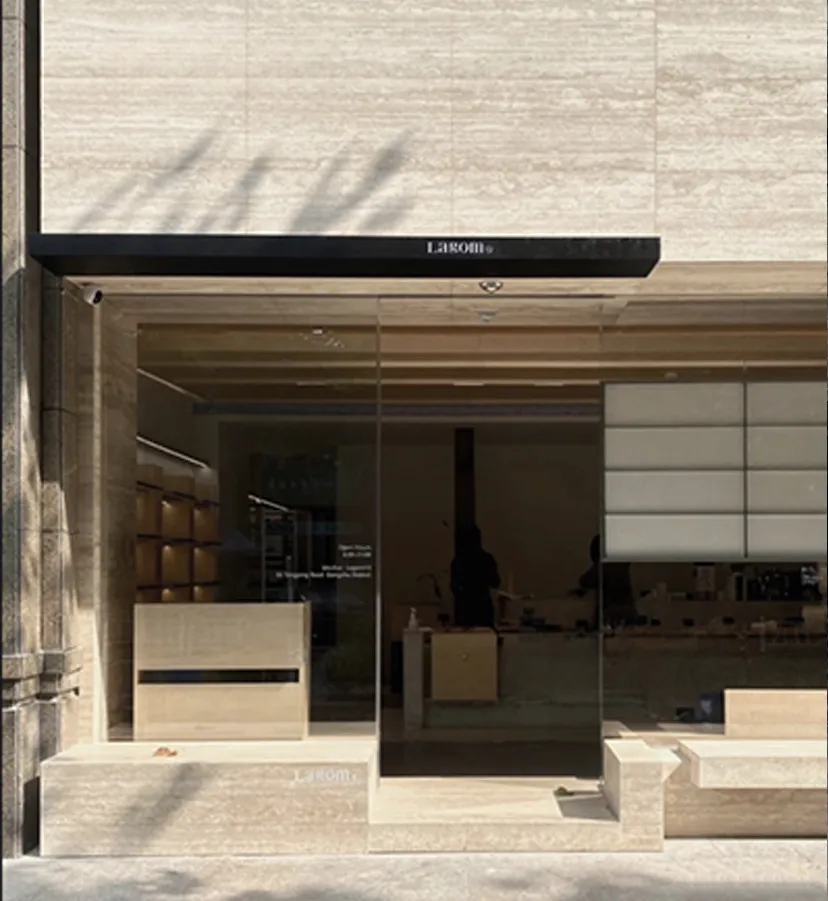
Imagine walking into a luxury hotel lobby where sunlight glints off polished stone surfaces – cool granite underfoot, warm travertine arches overhead, and limestone accents catching the eye. That sensory experience isn’t accidental; it’s the culmination of deliberate material choices balancing aesthetics, functionality, and longevity. This is why high-end architectural projects are transformed from good to extraordinary.
Selecting natural stone isn't about picking slabs; it's about composing sensory experiences. Each stone whispers geological history through its veins and fossils. Granite recounts volcanic fury, travertine preserves ancient hot springs, and limestone captures marine epochs. When these materials become focal points in luxury design, they stop being mere surfaces – they become storytellers.
And here’s where architects often get stuck: beautiful but impractical choices lead to maintenance nightmares, while durable but generic options create soulless spaces. Your material decisions ripple through the entire lifecycle of a project – from installation costs to decades of upkeep. That’s why comparing these natural stones isn’t just technical; it’s about finding the perfect marriage of poetry and pragmatism.
Picture this: molten magma cooling slowly beneath the earth's surface for millions of years, crystallizing into intricate patterns that look like frozen storms. That's granite's origin story. The slow cooling process creates minerals that lock into interlocking arrangements – this is why granite feels like nature's fortress.
What surprises most people is how granite performs under pressure. Ever noticed how hotel reception desks withstand countless handbags, keys, and coffee spills without staining? That’s granite flexing its near-zero porosity. Its density creates such a tight molecular structure that liquids can't penetrate easily. Think about that kitchen countertop getting assaulted daily with wine, oil, and acidic foods – granite just shrugs it off.
The visual variety is staggering. From dramatic "Absolute Black" slabs that absorb light to speckled "Santa Cecilia" that glitters with mica flakes, each granite type has distinct personality. Designers love working with it because no two slabs match perfectly – installations become unique tapestries of earth's artistry.
Imagine mineral-rich water evaporating in tiered hot springs over centuries, leaving behind porous sheets of calcite that look like petrified waterfalls. Travertine doesn't form; it precipitates layer by translucent layer. Those distinctive holes? They're evaporation trails – nature’s brushstrokes frozen in stone.
Unlike impervious granite, travertine breathes. Its porous structure gives an ethereal quality in backlit installations where light filters through like parchment. But this porosity demands respect – unsealed travertine will drink spilled wine like thirsty parchment. Yet properly maintained? It develops a rich patina that matures gracefully like leather-bound books.
The coloration tells regional stories. Creamy Roman travertine whisks you to Tivoli’s quarries, while silver-gray Turkish varieties evoke Cappadocia’s moonlike landscapes. Using travertine is like embedding geological diaries in architectural spaces – each tile murmurs sedimentary secrets.
Here’s a time machine disguised as stone: most limestones began as ancient seabeds where crushed shells accumulated over millennia under immense pressure. Those subtle fossils visible on polished surfaces? That’s real coral frozen in eternal dance. This gives limestone softer, cloudlike appearance compared to its crystalline cousins.
Where granite stands defiant, limestone invites touch. The calcium carbonate composition yields gentle glow under light – it’s why French cathedrals feel ethereal at sunset. But beware: acids dissolve its beauty viciously. Unprotected limestone reacts to vinegar splashes like wet sugar. The tradeoff? That velvety surface begs fingers to trace its fossil patterns.
Modern limestone applications play fascinating games with texture. Flamed finishes create dramatic shadows on exterior walls while honed surfaces on fireplaces absorb light softly. Used effectively, it can make brutalist structures feel human and warm.
| Property | Granite | Travertine | Limestone |
|---|---|---|---|
| Mohs Hardness | 6-7 (Quartz level) | 3-4 (Calcite level) | 3-5 (Variable) |
| Porosity Range | 0.1-0.6% (Very Low) | 5-12% (Moderate-High) | 2-10% (Moderate) |
| Stain Resistance | ★★★ (Excellent) | ★ (Poor) | ★★ (Fair) |
| Sealing Frequency | 10-15 years | 1-2 years | 3-5 years |
| UV Resistance | No fading | Moderate fading | Significant fading |
| Acid Tolerance | High | Low | Very Low |
Granite’s legendary toughness comes with caveats: thermal shock can crack it during installation. Ever seen that expensive countertop suddenly fracture during a cold snap? That’s rapid contraction exploiting microscopic fissures. Solution? Experienced installers avoid massive single slabs near windows.
Travertine’s porosity makes it susceptible to "ghosting" – mineral deposits rising through moisture evaporation. Proper filling techniques transform vulnerabilities into textures. Commercial flooring specialists employ chemical washes to create intentional antiquing effects.
Limestone’s Achilles heel? Efflorescence – that chalky salt bloom haunting improperly drained walls. But here’s the silver lining: quality modern sealers like penetrating silanes combat this. Strategic detailing prevents moisture wicking into vulnerable beds.
Airport terminals epitomize the granite advantage: 3cm thick "Labrador Antique" withstands suitcase impacts and deicing salts. The secret? Compressive strength exceeding 200 MPa. For commercial flooring systems demanding such resilience, granite remains king.
Travertine shines where thermal properties matter. Luxury spa locker rooms? Its natural warmth makes barefoot walking comfortable. Combine with radiant heating for cloud-like underfoot sensation.
Limestone’s softer feel suits boutique retail spaces. That boutique’s cash wrap counter? Honed "Kota Black" hides fingerprint smudges naturally. Its micro-abrasions scatter light instead of highlighting imperfections.
High-rise ventilated façades increasingly incorporate granite rainscreens. Why? Frost resistance cycles: granite withstands over 200 freeze-thaw cycles before deterioration. Compare this to travertine’s 50-cycle practical limit.
Limestone transforms daylight dramatically. Perforated limestone screens on Singaporean towers dapple interiors with moving shadow art – solar shading with geological elegance.
Travertine’s thermal memory works wonders in desert climates. Abu Dhabi’s museums stay naturally cooler thanks to its thermal lag properties – essentially acting as mineral phase-change materials.
Stone transportation dominates environmental impacts. Local quarries suddenly become sustainability heroes: Indiana limestone has 1/8th the embodied carbon of imported marbles. Life cycle assessment reveals surprising truths about "eco-friendly" choices.
Salvaged stone tells beautiful sustainability stories. That Chicago restaurant’s bar top? Reprocessed granite curbstones salvaged from demolished bank vaults. History resonates through polished igneous grains.
High-traffic limestone corridors require thoughtful planning. Alternate polished and honed tiles strategically – scuff marks blend naturally into textured zones, reducing cleaning chemical usage.
Hotel swimming pool decks demand chemical-resistant materials. That stunning travertine deck? Polymer-modified grout withstands chlorine attacks where traditional mixes fail. Detailing makes all the difference.
Climate Compatibility : Florida’s humidity accelerates limestone weathering without proper coatings. Choose epoxy-impregnated stones for coastal installations.
User Patterns : Do guests actually set wet glasses directly on surfaces? Residential habits dictate stone resilience requirements.
Patina Philosophy : Will veining inconsistencies distress perfectionists? Set expectations early about geological personality.
Travertine’s moderate pricing hides long-term costs: frequent sealing cycles add significantly to lifecycle expenses. Conversely, granite’s higher upfront cost amortizes over decades. True financial wisdom looks beyond initial price tags.
Working with a **one-stop architectural solution provider** changes value equations dramatically. They harmonize quarry selection with installation expertise – preventing costly material-processing mismatches that plague fragmented supply chains.
As dusk settles over that luxury lobby, the stones reveal their hidden artistry: granite counters catch warm light like liquid metal, travertine walls glow amber as if lit from within, and limestone accents become soft silver canvases. This alchemy doesn’t happen accidentally – it emerges when designers respect each stone’s geological history while addressing contemporary performance demands. The magic happens at the intersection of earth’s ancient craftsmanship and human technical mastery.
Recommend Products












