
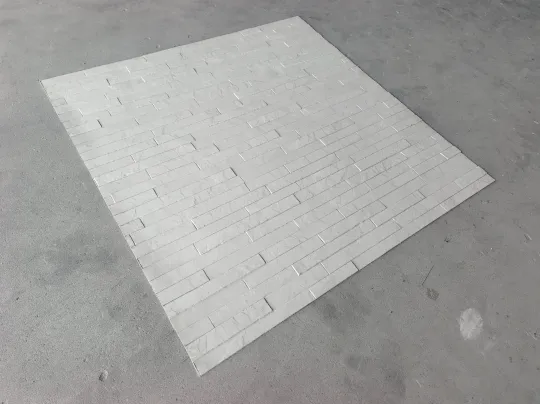
If you've ever walked past a charming cottage with a stone exterior or stepped into a restaurant with a rustic stone accent wall, you've probably thought, "Wow, that looks amazing." Masonry stone has a way of adding warmth, character, and timelessness to any space—whether it's a home, a commercial building, or even a public park. But if you're planning a project that involves masonry stone, there's one question that's likely top of mind: How much does it actually cost per square meter?
Let's break this down. Masonry stone isn't just a single product; it's a category that includes everything from rough-hewn natural stones to more polished, engineered options. And the price? It can vary more than you might expect, depending on the type of stone, where you source it, and even the little details like color or texture. In this guide, we'll walk through the factors that influence masonry stone prices, take a look at some popular types of stone (and their typical costs), and share tips for finding the right supplier—because let's be real, the last thing you want is to overspend or end up with a stone that doesn't fit your project.
Before we dive into prices, let's make sure we're on the same page about what masonry stone is. At its core, masonry stone refers to any stone used in construction—think walls, floors, facades, or even decorative elements. Unlike tiles or slabs that might be thin and lightweight, masonry stone is usually thicker, more durable, and designed to hold up to the elements (if it's used outdoors) or daily wear and tear (if it's indoors).
When you start shopping around, you'll quickly notice that not all masonry stones are created equal. Some are pulled straight from quarries, rough and full of natural character—these are called "natural masonry stones." Others are engineered, meaning they're made by combining stone aggregates with binders to create a product that's more uniform in size, color, or texture. Both have their pros and cons, and both play a big role in determining the final price per square meter.
And here's a key point: the term "masonry stone" often gets used interchangeably with other stone types, but for our purposes, we're focusing on stones specifically used in structural or decorative building work. So, things like granite countertops or marble floor tiles? They're stone, but not always considered "masonry stone" unless they're part of a larger structural element. Got it? Great—let's move on.
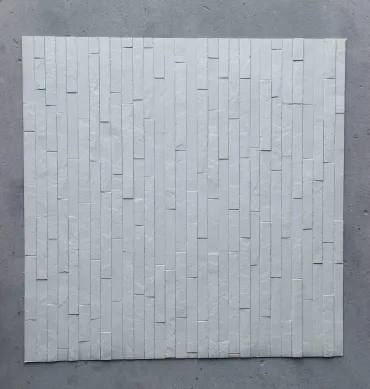
One of the biggest factors affecting masonry stone price per square meter is the type of stone you choose. Each stone has its own unique look, durability, and production process, all of which drive up or bring down the cost. Let's take a closer look at three popular options you might encounter when talking to a masonry stone supplier.
If you've ever seen a stone wall that looks like it was plucked straight from a forest—rough around the edges, with uneven surfaces and earthy tones—chances are it was made with mushroom stone. Named for its "cap and stem" shape (the top is wider, like a mushroom cap, and the bottom is narrower), this stone has a super rustic, organic feel that's perfect for adding warmth to exteriors or accent walls.
Mushroom stone is almost always natural, quarried from sedimentary rocks like sandstone or limestone. Because it's taken directly from the earth, each piece is unique—no two stones will have the exact same texture or color. That uniqueness is part of its appeal, but it also means it can be trickier to source in large, uniform batches. A good mushroom stone supplier will often let you see samples first, so you can get a sense of the color range (think warm browns, soft grays, or even hints of red) and texture before committing.
In terms of durability, mushroom stone holds up well outdoors, thanks to its thick, dense structure. It's resistant to weathering, which is why you'll often see it on cottage exteriors, garden walls, or even fireplaces. Indoors, it adds a cozy, cabin-like feel to living rooms or entryways. Just keep in mind: because it's natural and irregularly shaped, installation can take a bit more time (and thus more labor cost) than a uniform stone.
Ever walked into a building and thought, "This feels like it has a story"? Cultural stone might be the reason. Also sometimes called "heritage stone" or "old-world stone," cultural stone is designed to mimic the look of ancient stone structures—think weathered castles, historic villages, or centuries-old farmhouses. It's all about that "lived-in" charm, with textures that look like they've been shaped by time, rain, and wind.
Unlike mushroom stone, cultural stone can be either natural or engineered. Natural cultural stone is quarried from rocks that have naturally weathered over time, giving it that authentic, aged appearance. Engineered cultural stone, on the other hand, is made by mixing stone aggregates with cement or resin, then molding it to look like ancient stone. The engineered version is often more uniform in size and color, which can make installation easier and more cost-effective.
A reliable cultural stone supplier will have a huge range of styles to choose from—everything from "tumbled" stone (which looks like it was smoothed by water) to "split face" stone (which has a rough, broken surface). You can find cultural stone in colors like soft cream, deep charcoal, or even warm terracotta, making it versatile for both modern and traditional projects. It's a popular choice for accent walls in restaurants, boutique hotels, or high-end homes, where creating a specific ambiance is key.
When people think of "strong" stone, granite often comes to mind—and for good reason. Granite is an igneous rock formed from cooled magma, making it incredibly dense and resistant to scratches, heat, and stains. It's the kind of stone that can handle heavy foot traffic, harsh weather, and even the occasional spill (looking at you, kitchen countertops). That durability makes it a favorite for both indoor and outdoor use, from building facades to flooring to outdoor patios.
Granite stone comes in a wide range of colors, thanks to the minerals present in the rock. You'll find classic options like black granite (with flecks of white or gold), gray granite (varying from light to dark), and even pink or red granite (from minerals like feldspar). Because it's so hard, cutting and shaping granite requires special tools, which can add to the production cost. A granite stone supplier will often offer both polished and honed finishes—polished for a shiny, sleek look, honed for a more matte, natural appearance.
While granite is on the pricier side, many people see it as a long-term investment. A granite floor or wall can last for decades (even centuries, in some cases) with minimal maintenance—just a quick wipe-down now and then. For commercial projects like hotels, airports, or shopping malls, where durability is non-negotiable, granite is often worth the higher upfront cost.
Okay, so we've talked about the types of stone—but why does one square meter of masonry stone cost $45, while another costs $150? Let's break down the key factors that influence the price tag. Spoiler: it's not just about the stone itself.
This is the most obvious one: natural stone almost always costs more than engineered stone. Why? Because natural stone has to be quarried, transported, and often hand-selected, which adds labor and logistics costs. Engineered stone, on the other hand, is made in factories using recycled stone aggregates and binders, so it's easier to mass-produce and more uniform in price.
Within natural stone, some types are pricier than others. Granite, for example, is more expensive than sandstone because it's harder to quarry and cut. Similarly, rare or imported stones (though we're not focusing on those here) can cost more due to shipping and import fees. A local masonry stone supplier might offer better prices on domestically sourced stone, since transportation costs are lower.
Not all stones of the same type are created equal. A higher-quality stone will have fewer cracks, inconsistencies, or discolorations, which makes it more desirable (and thus more expensive). For example, a batch of mushroom stone with uniform thickness and minimal chipping will cost more than a batch with irregular sizes and visible flaws.
Purity matters too. If a stone has a lot of impurities (like clay or other minerals mixed in), it might be weaker or less durable, which brings down the price. When talking to a supplier, ask about the stone's "grade"—higher grades usually mean better quality and a higher price per square meter.
How the stone is processed after quarrying has a big impact on cost. A rough, "natural split" stone (where the stone is split along its natural fault lines) requires less processing, so it's cheaper. A stone that's been machine-cut to uniform sizes, polished to a shine, or shaped into specific patterns (like herringbone or basketweave) will cost more because of the extra labor and equipment involved.
For example, a basic mushroom stone with a rough, unpolished surface might cost $45 per square meter, while a granite stone that's been polished and cut into precise rectangles could cost $150 per square meter. The more work that goes into making the stone "ready to install," the higher the price.
Where you buy your stone matters too. A one-stop architectural solution provider might offer better prices than a small, specialty supplier because they can source materials in bulk and pass the savings on to you. They might also bundle services—like delivering the stone, providing installation guides, or even recommending contractors—which can save you time and money in the long run.
On the flip side, a niche supplier (like a specialty cultural stone supplier) might charge more for rare or custom stones, but they'll also have expert knowledge that can help you choose the right product for your project. It's all about balancing cost with expertise and convenience.
Like any product, masonry stone prices can fluctuate with supply and demand. If there's a boom in construction in your area, demand for stone might go up, and prices could rise. Similarly, certain times of the year are busier for suppliers—spring and summer are peak seasons for building projects, so you might pay more for stone during these months than in the slower fall or winter.
If you have flexibility in your timeline, buying stone during the off-season could save you a few dollars per square meter. Just make sure to plan ahead—suppliers might have limited inventory during slower months, so you'll want to order early to avoid delays.
Okay, let's get to the numbers. Keep in mind that these are average prices based on market data and conversations with suppliers—actual prices might vary depending on your location, the supplier, and the specific stone you choose. Think of this as a starting point to help you budget.
| Stone Type | Price Range (USD per sq.m) | Key Features | Best For |
|---|---|---|---|
| Mushroom Stone (Natural) | $45 – $85 | Rustic, irregular shape, earthy tones (browns, grays), natural texture | Exterior walls, garden walls, fireplace surrounds, accent walls |
| Cultural Stone (Engineered) | $55 – $100 | Historic/old-world appearance, uniform size options, diverse patterns | Villas, boutique hotels, restaurants, indoor accent walls |
| Granite Stone (Natural) | $70 – $150 | Highly durable, scratch/heat resistant, polished or honed finish | Floors, countertops, commercial building facades, high-traffic areas |
A few notes on this table: the lower end of the price range usually applies to basic, rough-cut stones in standard colors, while the higher end includes premium grades, custom finishes, or rare color options. For example, a standard gray mushroom stone might cost $45 per square meter, but a rare red mushroom stone with a smooth finish could cost $85 per square meter.
Also, remember that these prices are for the stone itself—they don't include installation costs, mortar, or other materials needed for the project. Installation can add another $20 – $50 per square meter, depending on the complexity of the job (e.g., a simple straight wall vs. a curved wall with intricate patterns).
Now that you have a sense of what affects masonry stone prices, let's talk about finding a supplier you can trust. A good supplier isn't just about the lowest price—they should also offer quality products, reliable service, and helpful guidance to make your project run smoothly. Here are some tips to keep in mind.
Start by doing a little research. Look for reviews online, ask for references from past clients, or talk to other contractors in your area. A reputable masonry stone supplier will have positive feedback about their product quality, delivery times, and customer service.
You can also ask about their experience. How long have they been in business? Do they specialize in a particular type of stone (like mushroom stone or cultural stone)? A supplier with years of experience is more likely to know how to handle common issues, like sourcing consistent batches or dealing with weather delays.
Never buy stone sight unseen. A good supplier will send you samples (or let you visit their warehouse) so you can inspect the stone's color, texture, and quality in person. This is especially important for natural stone, which can vary a lot from batch to batch.
When you get the samples, check for cracks, chips, or discolorations. Hold them up to the light to see if they're translucent (which might mean they're less dense). If you're planning to use the stone outdoors, ask if the sample is weather-resistant—some suppliers will even let you test samples by spraying them with water or leaving them outside for a few days.
If your project has specific needs—like a unique color, size, or finish—make sure the supplier can accommodate custom orders. Some suppliers only offer standard products, while others can work with you to create a custom stone that fits your vision.
Keep in mind that custom orders will take longer (sometimes 4 – 6 weeks or more) and cost more than standard stones. But if getting the perfect look is important to you, it's often worth the extra time and money.
Before placing an order, make sure you understand the supplier's terms and conditions. What's their return policy if the stone doesn't meet your expectations? Do they offer a warranty on the stone's quality? How long will delivery take, and who's responsible for shipping costs?
It's also a good idea to get a written quote that includes the price per square meter, the total cost, delivery fees, and any other charges. This way, there are no surprises later on.
If your project involves more than just masonry stone—say, you also need flooring, wall panels, or other building materials—a one-stop architectural solution provider might be a good fit. These suppliers offer a range of products, so you can source everything you need from one place, which can save you time and money on shipping and coordination.
Many one-stop providers also have in-house experts who can help you choose the right materials for your project, ensuring that your masonry stone works well with other elements like flooring or wall panels. Just make sure they have experience with the specific stone types you're interested in—you don't want to sacrifice quality for convenience.
Let's put all this into context with a few real-world examples. These are hypothetical projects, but they'll give you a sense of how masonry stone prices add up and how choosing the right stone (and supplier) can affect your budget.
Imagine you're building a small cottage in a rural area, and you want the exterior to have that cozy, storybook feel. You decide to use mushroom stone for the front wall, which is 30 square meters. You find a local mushroom stone supplier who offers a mid-range option for $60 per square meter.
Total stone cost: 30 sq.m x $60 = $1,800. Installation adds another $30 per square meter, so $900. Total for the wall: $2,700. Since the stone is locally sourced, delivery is free, and the supplier even gives you a 5% discount for ordering a full batch. Final cost: around $2,565. Not bad for a wall that will make your cottage the envy of the neighborhood!
A restaurant owner wants to create a focal point in their dining area with a cultural stone accent wall. The wall is 15 square meters, and they choose an engineered cultural stone with a "tumbled" finish (to look extra old-world) from a supplier that specializes in decorative stones. The stone costs $85 per square meter.
Total stone cost: 15 sq.m x $85 = $1,275. Installation is a bit pricier because the stone needs to be cut to fit around electrical outlets and a small window, adding $45 per square meter ($675). The supplier charges $100 for delivery. Total cost: $1,275 + $675 + $100 = $2,050. The result? A warm, inviting accent wall that customers can't stop taking photos of—priceless for a restaurant's ambiance.
A commercial developer is building a modern office building and wants the lobby floor to make a statement—durable, sleek, and professional. They choose polished granite stone, sourced from a reputable granite stone supplier. The lobby is 100 square meters, and the granite costs $120 per square meter (mid-range for polished granite).
Total stone cost: 100 sq.m x $120 = $12,000. Installation is more complex because the floor needs to be perfectly level and sealed to resist stains, adding $50 per square meter ($5,000). Delivery and sealing materials add another $800. Total cost: $12,000 + $5,000 + $800 = $17,800. But since granite is so durable, the floor will last for decades with minimal maintenance—making it a smart long-term investment for the building.
So, you've done your research, you know the types of stone, and you have a budget in mind. How do you make sure you're getting the best possible deal on masonry stone? Here are a few pro tips to keep in mind.
Nothing wastes money like ordering too much stone—or worse, not enough. Before you contact a supplier, measure your project area carefully, and add 5 – 10% extra to account for cuts, breakage, or mistakes during installation. A good supplier can help you calculate the exact amount you need, but it's always better to have a rough estimate first.
Don't settle for the first supplier you find. Get quotes from at least 3 – 5 different suppliers, including local and one-stop providers. Compare not just the price per square meter, but also delivery costs, quality, and customer service. Sometimes a slightly higher price is worth it for better quality or more reliable service.
Many suppliers offer discounts for bulk orders. If you're working on a large project (or know someone else who needs stone), consider pooling your orders to qualify for a bulk discount. Even a 5 – 10% discount can add up to significant savings on a big order.
Cheaper stone might save you money upfront, but it could cost more in the long run if it needs to be replaced or repaired. For example, a low-quality mushroom stone might crack after a few years of rain and snow, requiring you to redo the wall. Investing in a higher-quality stone (even if it's a bit pricier) can save you money and hassle down the line.
If you're working on a small project (like a garden wall or a small accent wall), ask the supplier if they have any "off-cuts" or "seconds." These are stones that are too small for large projects or have minor flaws, but they're often sold at a steep discount. They might not be suitable for a high-visibility area, but they're perfect for less noticeable projects.
At the end of the day, masonry stone price per square meter is about more than just numbers. It's about investing in a material that adds character, durability, and style to your project. Whether you choose rustic mushroom stone, historic cultural stone, or durable granite, the right stone can transform a space from ordinary to extraordinary.
By understanding the factors that affect price, choosing the right supplier, and planning carefully, you can find a masonry stone that fits your budget and brings your vision to life. So, take your time, do your research, and don't be afraid to ask questions—after all, this is your project, and it deserves to shine.
Happy building!
Recommend Products












