
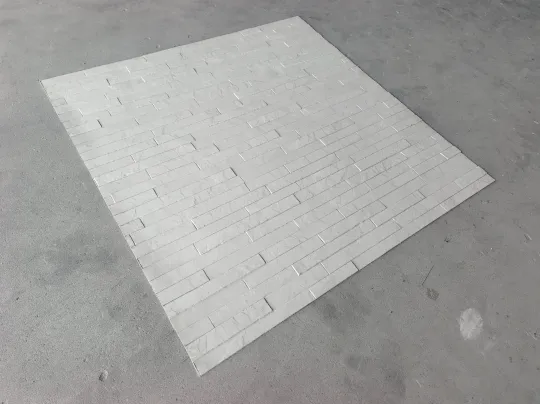
Hey friend! So you're thinking about using stone for your next project? Smart move! There's something magical about natural stone that just can't be replicated. It's not just another building material - it's like bringing a piece of Earth's history right into your home or garden.
Unlike those generic concrete pavers or vinyl sidings, natural stone has soul. Each piece has its own personality with unique colors, textures, and markings formed over centuries. That stone wall you build? It's going to tell a story no manufactured product ever could.
And get this - natural stone actually gets better with age. While other materials degrade, high-performance decorative stone develops that sought-after patina that makes European villages look so charming. That's why century-old stone buildings still take our breath away today!
Okay, stone isn't just a pretty face. It's tough as nails too. Think about it:
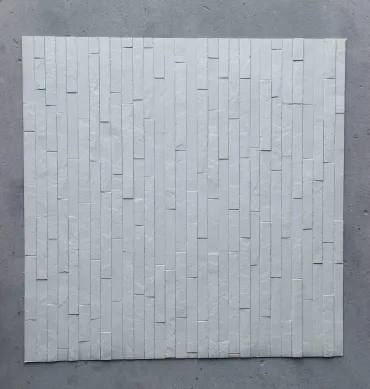
Walking into a stone yard can feel overwhelming - it's like Mother Nature's art gallery! Let's break down the rock stars of the masonry world:
Granite is like the heavyweight champion of stones. Born from volcanic activity, it's incredibly dense and durable. Perfect for:
Fun fact: That "sparkle" in granite comes from flecks of mica and quartz formed under intense heat and pressure over millions of years. Nature's glitter!
If stones had personalities, limestone would be the elegant philosopher. Its softer appearance comes from ancient sea beds compressed over time. Great for:
But heads up: Limestone is a bit more porous, so it might need sealing in wet climates.
Talk about range! Sandstone colors run from creamy whites to deep reds depending on its iron content. It's:
Found naturally in fields and stream beds, these irregular stones create that authentic "handbuilt" look. They're:
Okay, let's talk about actually getting stone into your backyard. You've got options:
Visiting a quarry is like going to stone's birthplace. Advantages:
These are usually better for smaller projects where you need:
Recycled stone from old buildings has:
When picking stone at the yard, bring a small spray bottle with water. Stones look totally different wet - how they'll appear after rain!
Ready to try your hand at stonework? It's incredibly rewarding! Start small with a garden border or fire pit before tackling bigger projects.
You don't need crazy expensive gear, but these are non-negotiables:
Bad mortar is why many DIY projects fail. Follow this ratio:
For general stonework: 3 parts sand, 1 part masonry cement, and just enough water so it holds shape when squeezed (like perfect snowball consistency!)
Pro tip: Use additives in freezing climates to prevent cracking. Don't be shy about asking for them at the masonry supply store!
Ever see a stone wall that looks "just right"? There's method behind it:
Walking into a stone supplier can feel intimidating. Arm yourself with these key questions:
Red Flag Warning: If a supplier can't tell you where the stone came from or its density rating, walk away. Quality matters for masonry stone to last generations!
Like diamonds, stones have grades affecting price and usability:
I'm all for DIY, but stone has its limits. Consider hiring masonry specialists for:
Finding a great mason isn't just checking licenses:
Think stone is maintenance-free? Almost, but not quite. Here's how to keep it gorgeous for decades:
Never use acid cleaners or pressure washers on soft stones! Instead:
Should you seal? It depends:
DO seal: Sandstone in rainy climates, limestone counters, any stone in freezing climates
DON'T seal: Granite walls, fieldstone garden borders (they look better weathered)
When sealing, choose breathable products made for natural stone.
Even well-built masonry can need TLC:
Recommend Products












