
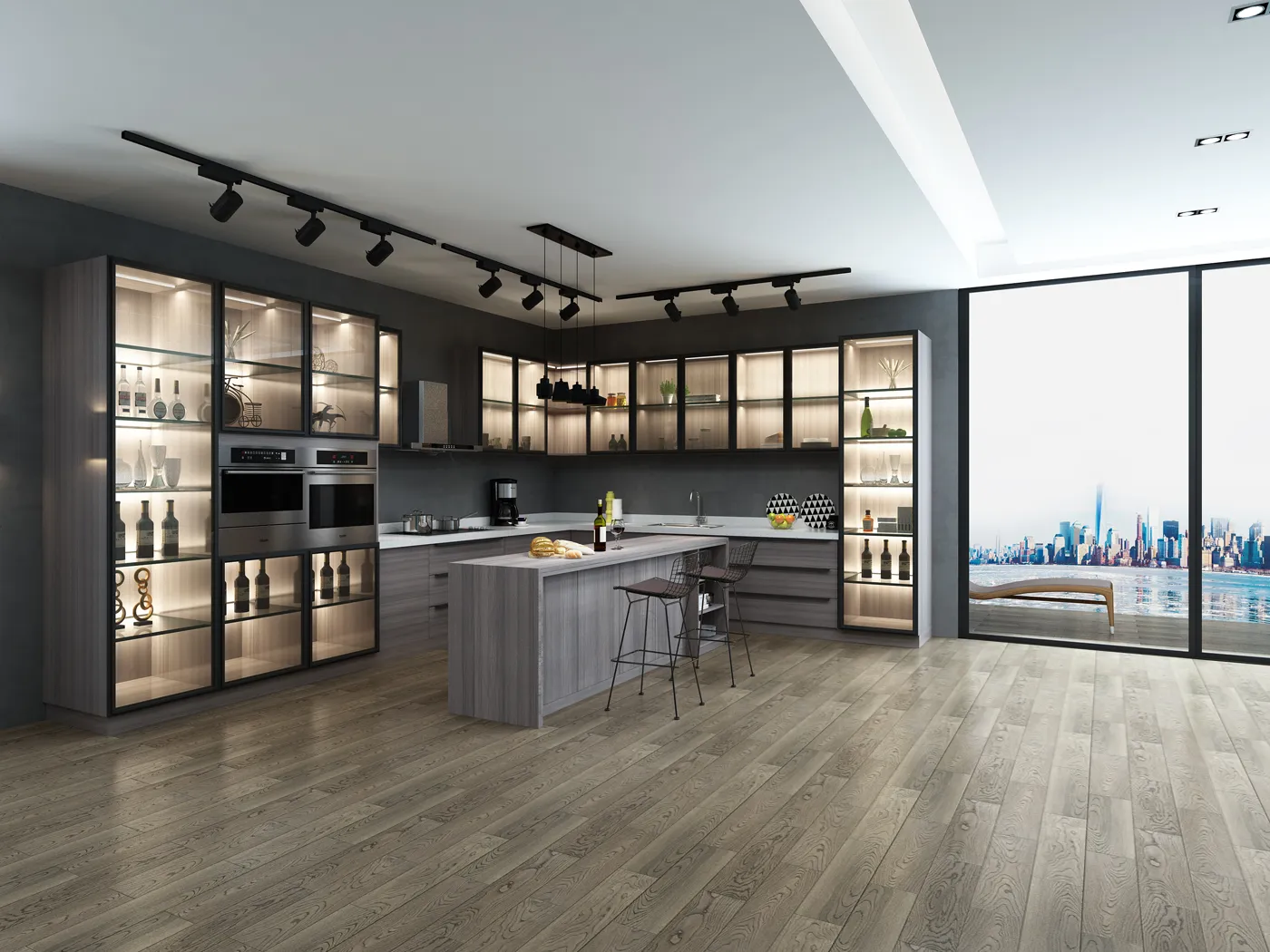
Hold onto your reusable grocery bags, folks! We're diving deep into the hottest kitchen transformation trend shaking up home renovations across the planet. Forget bland all-white kitchens – today, sustainable spaces are the new status symbol. This groundbreaking 2025 analysis reveals why eco-conscious cabinetry is no longer a niche market, but a home improvement revolution driven by consumer demand and environmental urgency.
We’re way past the "reduce, reuse, recycle" fridge magnets. Climate consciousness has moved into the physical spaces we inhabit daily. When surveyed homeowners ranked kitchen features, **environmentally friendly building materials** – specifically cabinetry – placed higher than granite countertops or smart appliances. Why the seismic shift?
63%
Homeowners prioritizing sustainability over aesthetics when cabinetry shopping (2024)
$12.7B
Global eco-cabinetry market valuation projected for 2025
9.2/10
Consumer satisfaction rates with modular "green kitchen" systems
Source: Sustainable Home Design Institute Global Report, 2025 Edition
California led the charge – surprise! – with tax credits for sustainable remodels. Vancouver took the crown for highest per-capita bamboo cabinetry installations. Watch the Midwest catch up fast with new hemp-based manufacturing facilities opening across Michigan and Ohio.
Scandinavia still sets the gold standard with circular design principles (think cabinets designed for disassembly). Germany's pushing the boundaries with mycelium-fungal composites – yes, mushroom cabinets!
Singapore’s vertical farming boom sparked demand for ultra-compact, moisture-resistant recycled cabinetry. Seoul’s trendsetting "zero-waste kitchens" integrate cabinets with built-in composting.
The frontrunner might get headlines, but innovation's brewing in unexpected places:
Reclaimed barn wood from Midwest farms transformed into statement kitchen islands. Chicago startup ReWood saw sales jump 240% after Kim Kardashian posted her rustic-industrial kitchen.
Who knew straw could look chic? Composite panels from compressed wheat stalks now rival oak finishes. Moisture-resistant and fire-retardant – a farmer’s market for your cooking space!
Not just for wine bottles anymore! Waterproof cork veneers create acoustically warm kitchens perfect for open-concept homes. Bonus: Naturally anti-microbial properties.
Here’s where things get truly fascinating. Conventional cabinet manufacturing drinks water like marathon runners. The new benchmark? Low-VOC coatings requiring just 2.1 liters per cabinet versus 7.8 liters industry standard. Startups like AquaCraft partner with drought-prone communities – every cabinet purchased funds 10,000 liters of water restoration.
"Our clients now ask more questions about supply chains than color samples. 'How was this bamboo harvested?' matters as much as 'Does this complement my backsplash?'"
"Reconfigurable cabinetry saved my tiny apartment kitchen. When I moved, I disassembled and rebuilt my cabinets like LEGO!"
The eco-kitchen movement faces turbulence despite soaring demand:
With "sustainable" labels multiplying faster than Starbucks locations, certification fatigue sets in. GSA certification now combats dubious eco-claims.
While durable, composite materials complicate end-of-life recycling. New pilot programs offering $50 cabinet buy-backs show promise.
Specialized installation techniques for non-traditional materials require retraining. Unions launch "Green Cabinet Academies" nationwide.
Wear your lab coats – kitchens get smarter and cleaner:
For homeowners and designers alike, one thing’s certain: Kitchen remodels are no longer just about resale value. They’re edible manifestos – declarations that our private spaces can heal public landscapes. Who knew choosing cabinets could taste so revolutionary?
Recommend Products












