
Coastal regions have always been the heart of human activity—bustling ports, scenic resorts, thriving communities, and critical infrastructure that connects land and sea. But anyone who has built or maintained structures near the ocean knows: the coast is a beautiful yet unforgiving environment. The salt-laden air, relentless humidity, crashing waves, and unpredictable weather patterns don't just test buildings—they wage war on every component, especially the hidden systems that keep these structures functional. Plumbing, drainage, fluid transport, and water management are the lifelines of marine construction, and choosing the right materials here isn't just about cost or convenience. It's about survival.
For decades, builders turned to traditional materials like metal, concrete, or copper for these systems. But time and again, these materials have proven to be ill-equipped for the coastal grind. Rust, corrosion, degradation, and sky-high maintenance costs have left project managers and engineers searching for alternatives. Enter plastic valve system solutions—a category of materials that's quietly revolutionizing how we build and maintain infrastructure in coastal zones. In this article, we'll dive into why plastic valve systems, paired with complementary solutions like PVC well casing and screen pipes or UPVC pipe solutions, are becoming the go-to choice for marine construction projects worldwide.
Before we understand why plastic valve systems excel, let's first unpack the unique stressors coastal environments throw at construction materials. These aren't just minor inconveniences—they're existential threats to infrastructure longevity.
Saltwater is a chemical powerhouse. Its high concentration of chloride ions attacks most metals on a molecular level, triggering corrosion—the slow, relentless breakdown of material. Steel pipes, for example, rust from the inside out when exposed to saltwater, weakening their structural integrity until they spring leaks. Even "corrosion-resistant" metals like galvanized steel or brass eventually succumb; their protective coatings wear thin, leaving the base metal vulnerable. Copper, too, develops patina, but in saltwater, this layer doesn't always stop further degradation, leading to pinholes and leaks over time.
Concrete, often hailed as a durable choice, fares little better. Saltwater seeps into its porous structure, reacting with minerals in the concrete to form expansive compounds that crack and spall the material. Over time, this leads to crumbling pipes, weakened foundations, and costly repairs.
Coastal areas are bathed in sunlight, and ultraviolet (UV) rays are unforgiving. Materials not designed to withstand UV exposure—like some untreated plastics or organic-based composites—break down over time. Their molecular bonds weaken, leading to brittleness, discoloration, and loss of structural strength. Even painted or coated metals can suffer; UV rays degrade the coating, exposing the metal beneath to corrosion.
Coastal regions experience dramatic daily and seasonal temperature fluctuations. Daytime heat bakes surfaces, while night brings cooling; summer swelters, winter chills (in temperate zones). These swings cause materials to expand and contract, creating stress that weakens joints, cracks pipes, and loosens connections. Add to this the hydraulic stress of moving water—whether from storm surges, wave action, or high-pressure fluid systems—and traditional rigid materials often fail under the strain.
The ocean is teeming with life, and much of it loves to make a home in man-made structures. Barnacles, algae, mussels, and other marine organisms attach themselves to pipes, valves, and underwater surfaces, a process called biofouling. This isn't just a cosmetic issue; it clogs pipes, reduces water flow, increases pressure on systems, and accelerates corrosion by trapping moisture and salts against the material. Traditional materials with rough surfaces or porous textures are especially prone to this, turning maintenance into a constant battle.
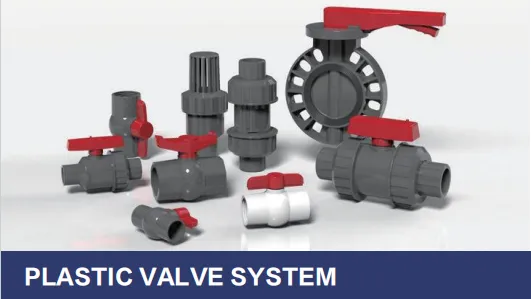
Against this backdrop of coastal chaos, plastic valve system solutions have emerged as a beacon of reliability. But what exactly are these systems? At their core, they're networks of valves, pipes, fittings, and connectors made from advanced plastic polymers—materials like polyvinyl chloride (PVC), chlorinated polyvinyl chloride (CPVC), polyethylene (PE), or polypropylene (PP). These aren't the flimsy plastics of disposable water bottles; they're engineered for strength, durability, and resistance to the harshest conditions.
What makes plastic valve systems stand out? Let's break down their key advantages in coastal environments:
Here's the first game-changer: plastic doesn't corrode. Unlike metal, which reacts chemically with saltwater, plastic polymers are inert to most corrosive agents, including salt, brine, and the acidic compounds found in coastal soil and groundwater. Whether it's a plastic valve controlling water flow in a marina or a PVC well casing and screen pipe drawing freshwater from a coastal aquifer, these materials don't rust, pit, or degrade when exposed to saltwater. This isn't a temporary coating or a protective layer—it's an inherent property of the material itself. That means decades of service without the need for anti-corrosion treatments, coatings, or replacements.
Early plastics had a reputation for breaking down under UV light, but modern plastic valve system solutions are formulated with UV stabilizers—additives that absorb or reflect UV radiation, preventing it from damaging the polymer structure. This makes them ideal for above-ground applications, like exposed pipes in coastal resorts or valves mounted on piers, where sunlight is constant. Even in tropical regions with intense UV levels, properly stabilized plastics retain their strength, flexibility, and appearance for decades.
Coastal construction sites are often tight, remote, or difficult to access—think narrow beachfront lots, offshore platforms, or rocky cliffs. Hauling heavy metal pipes or concrete valves to these locations is costly and labor-intensive. Plastic valve systems solve this problem with their lightweight design. A 20-foot length of UPVC pipe, for example, weighs a fraction of a steel pipe of the same size, making transport, handling, and installation faster and safer. And because plastic is naturally flexible (especially materials like PE or PEX), it can absorb the shifting and movement common in coastal soils—whether from erosion, tides, or seismic activity—without cracking or breaking. This flexibility is a lifesaver in areas prone to ground settlement or storm-induced shifting.
Coastal projects often involve more than just saltwater—they may handle drinking water, wastewater, industrial fluids, or even chemicals used in desalination plants. Plastic valve systems are chemically inert, meaning they don't leach harmful substances into the fluids they transport, and they resist degradation from most chemicals, including chlorine, fertilizers, and industrial solvents. This makes them safe for potable water systems, compliant with health regulations, and reliable for specialized applications like coastal wastewater treatment or agricultural irrigation near the sea.
It's true: high-quality plastic valve systems may have a similar or slightly higher upfront cost than basic metal pipes. But when you factor in the full lifecycle—installation, maintenance, repairs, and replacement—they're dramatically cheaper. Metal systems require regular inspections, anti-corrosion treatments, and eventual replacement (often within 10–15 years in coastal areas). Plastic systems, by contrast, can last 50 years or more with minimal maintenance. No rust removal, no repainting, no emergency leaks from corroded sections. For budget-conscious project managers, this long-term savings is impossible to ignore.
Marine organisms love to cling to rough, porous surfaces—but plastic valve system components are typically smooth and non-porous. This makes it harder for barnacles, algae, or mussels to attach and grow, reducing biofouling and the need for frequent cleaning or scraping. For systems like PVC well casing and screen pipes, which draw water from coastal aquifers, this means better flow rates and less downtime for maintenance.
Plastic valve systems don't work alone—they're part of a broader ecosystem of plastic-based solutions designed to tackle specific coastal challenges. Let's look at two key players that often partner with plastic valve systems to create fully integrated, coast-ready infrastructure:
Coastal communities rely heavily on groundwater for drinking water, irrigation, and industrial use. But extracting freshwater near the coast is risky—saltwater intrusion, where seawater seeps into aquifers, can contaminate wells and render them useless. PVC well casing and screen pipes solutions are designed to prevent this. These pipes line the well bore, creating a barrier between the freshwater aquifer and surrounding saltwater or contaminated soil. The "screen" portion, with precisely sized slots, allows water to flow in while filtering out sediment and debris. Made from rigid, corrosion-resistant PVC, these casings withstand the harsh conditions of well drilling and long-term immersion, ensuring clean, reliable freshwater access for coastal communities.
Unplasticized polyvinyl chloride (UPVC) is a rigid, strong variant of PVC that's become a staple in coastal plumbing and drainage. UPVC pipe solutions are used for everything from residential water supply lines to commercial drainage systems and industrial fluid transport. What makes UPVC ideal for the coast? It's lightweight yet rigid, resistant to impact (critical in storm-prone areas), and impervious to saltwater and chemical corrosion. Unlike flexible plastics, UPVC holds its shape under pressure, making it suitable for high-flow systems. And because it's easy to cut, join, and install, it reduces labor time on tight coastal job sites.
Still not convinced plastic valve systems are better than traditional options? Let's put them side by side. The table below compares plastic (PVC/CPVC/PE) systems with common traditional materials in key categories relevant to coastal construction:
| Feature | Plastic Valve Systems (PVC/CPVC/PE) | Galvanized Steel | Copper | Concrete |
|---|---|---|---|---|
| Corrosion Resistance | Excellent (no rust/corrosion in saltwater) | Poor (coating wears, then rusts rapidly) | Fair (patina forms but may degrade in saltwater) | Poor (saltwater causes spalling and degradation) |
| UV Resistance | Excellent (with stabilizers) | Fair (paint/coating fades; metal exposed) | Good (but UV doesn't address corrosion) | Fair (surface cracks over time) |
| Installation Cost | Low (lightweight, easy to handle/join) | High (heavy, requires welding/tools) | High (expensive material, skilled labor) | Very High (heavy, requires specialized equipment) |
| Lifecycle Maintenance | Very Low (minimal inspections, no corrosion treatments) | High (regular inspections, rust removal, coatings) | Medium (occasional joint repairs, corrosion checks) | High (crack repairs, sealing, cleaning) |
| Expected Lifespan (Coastal Areas) | 50+ years | 10–15 years | 15–20 years | 20–30 years (with heavy maintenance) |
| Flexibility/Impact Resistance | Good (absorbs ground movement, resists impacts) | Poor (rigid, prone to cracking under stress) | Fair (bends but may kink; joints vulnerable) | Very Poor (brittle, cracks under pressure/movement) |
The data speaks for itself: plastic valve systems outperform traditional materials in nearly every category that matters for coastal construction. They're not just a "good enough" alternative—they're a superior choice.
To see the impact of plastic valve system solutions, look no further than recent coastal projects around the world. Take, for example, a luxury resort development in the Maldives, where saltwater corrosion had plagued previous plumbing systems, leading to frequent leaks and guest complaints. The project switched to plastic valve systems and UPVC pipe solutions for its water supply and drainage networks. Five years later, maintenance crews report zero corrosion-related issues, and the resort has saved over $200,000 in avoided repairs.
Or consider a coastal wastewater treatment plant in Florida, USA, which replaced its aging steel valves and pipes with plastic valve system solutions after years of battling rust and clogs. The new system, paired with PVC well casing and screen pipes for groundwater intake, now operates at 98% efficiency, with maintenance costs cut by 60% and no unplanned downtime in three years.
These aren't anomalies—they're the new norm. As more engineers and builders experience the reliability of plastic systems, adoption is accelerating, even in demanding sectors like offshore oil platforms, coastal desalination plants, and military installations.
While plastic valve systems are durable, they still require proper installation and care to maximize their lifespan. Here are a few best practices for coastal projects:
As climate change intensifies coastal storms, rising sea levels, and saltwater intrusion, the demand for resilient, low-maintenance infrastructure will only grow. Plastic valve system solutions, with their proven track record of durability, cost-effectiveness, and environmental compatibility, are poised to become the standard for coastal construction. Innovations like smart plastic valves with built-in leak detection, recycled plastic composites for even greater sustainability, and enhanced UV stabilizers for extreme environments are already in development, pushing the boundaries of what plastic systems can do.
For builders, engineers, and communities invested in the future of coastal living, the message is clear: traditional materials can't keep up with the coast's demands. Plastic valve system solutions, paired with complementary options like PVC well casing and screen pipes or UPVC pipe solutions, offer a path to infrastructure that's not just built to last—but built to thrive, even in the harshest coastal conditions.
The coast is calling, and plastic is answering. It's time to build smarter, not harder.
Recommend Products












