
Think about the last time you turned on a faucet, flushed a toilet, or walked through a commercial building with steady water flow. Chances are, you didn't spare a thought for the network of pipes working silently behind the walls, under the floors, or beneath the ground. Piping systems are the unsung heroes of modern infrastructure—until something goes wrong. A small leak becomes a flood, a clog disrupts operations, or corrosion weakens a joint, leading to costly repairs and downtime. As a pvc-u sch40 pressure piping system supplier with years of experience, we've seen it all: facilities that run smoothly for decades thanks to proactive care, and others that face constant headaches because maintenance took a backseat. The truth? Maintaining your PVC-U SCH40 system isn't just about fixing problems—it's about preventing them. In this guide, we'll share actionable, real-world tips to keep your pipes in top shape, drawn from our work with everyone from property managers to industrial plant operators. Whether you're new to managing these systems or a seasoned pro, these insights will help you save time, money, and stress.
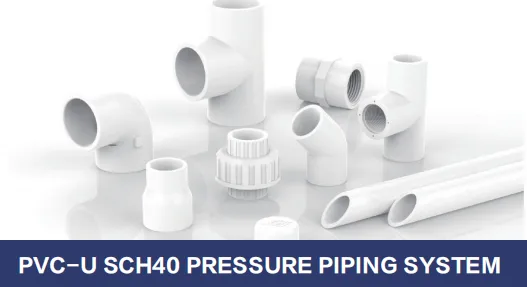
Before diving into maintenance, let's start with the basics: What exactly is a PVC-U SCH40 pressure piping system, and why does it need special care? PVC-U (unplasticized polyvinyl chloride) SCH40 pipes are designed to handle high-pressure applications—think municipal water supply, industrial fluid transfer, or large-scale irrigation. They're prized for their durability, corrosion resistance, and affordability, which is why they're a staple for suppliers like us and a go-to choice for engineers worldwide.
But here's the thing: Even the toughest materials have limits. Unlike, say, PPR pipes (a popular option from ppr pipe and fitting supplier networks), which are flexible and heat-resistant, PVC-U SCH40 pipes are rigid and sensitive to extreme temperatures. They're also prone to damage from physical impact or chemical exposure if not handled correctly. Understanding these quirks is key to tailoring your maintenance routine. For example, while PPR pipes might withstand occasional hot water surges, PVC-U SCH40 systems can crack if exposed to temperatures above 140°F (60°C). That's why knowing your pipe's "personality"—its strengths and weaknesses—makes all the difference in keeping it healthy.
Imagine this: A facility manager at a mid-sized manufacturing plant walks through the basement on a Monday morning and notices a small, damp spot on the concrete floor. They dismiss it as condensation—until Wednesday, when the spot grows into a puddle, and by Friday, there's a steady drip from the ceiling. By then, the leak has already caused mold growth and damaged electrical wiring. This scenario is avoidable with one simple habit: routine inspection. Inspections aren't glamorous, but they're the single most effective way to catch issues early.
The frequency depends on usage. For high-pressure systems (like those in hospitals or factories), monthly checks are a must. For residential or low-traffic commercial buildings, quarterly inspections should suffice. Here's what to look for during each check:
Pro tip: Keep a "pipe log" to track inspections. Note dates, findings, and any repairs made. Over time, this log will reveal patterns—like recurring leaks in a specific section—that can point to underlying issues (e.g., poor installation or soil movement).
PVC-U SCH40 pipes are resistant to corrosion, but they're not immune to clogs. Debris, mineral deposits, or even tree roots (in underground systems) can block flow, increase pressure, and lead to cracks. The challenge? Cleaning them without damaging the pipe material. Unlike metal pipes, PVC-U is sensitive to harsh chemicals and abrasive tools—so forget the Drano or steel wool.
For minor clogs (e.g., in residential or light commercial systems), start with a plunger—gentle, but effective for dislodging soft blockages like hair or soap scum. For tougher clogs, use a plastic pipe snake (avoid metal snakes, which can scratch the inner lining). If you must use a chemical cleaner, opt for enzymatic formulas (they break down organic matter without corroding PVC) and follow the instructions strictly: never mix cleaners, and flush with plenty of water afterward.
For industrial systems or larger-scale clogs, consider hydro jetting—a method that uses high-pressure water (1,500–4,000 psi) to blast away debris. We often recommend this to clients with heavy usage, like manufacturing plants, as it's thorough and non-invasive. Just make sure to hire a professional with experience in PVC-U systems; too much pressure can split weaker pipes.
Contrast this with pvc dwv pipe supplier systems (drain-waste-vent pipes), which handle wastewater and sewage. These pipes face different challenges, like grease buildup and solid waste clogs. For DWV systems, avoid pouring grease down drains (it solidifies in pipes) and use strainers to catch food scraps. The key takeaway? Cleaning methods vary by pipe type—what works for a DWV system might harm your PVC-U SCH40 lines, so always match the cleaning approach to the pipe's purpose.
Even with regular inspections, small issues can pop up. A hairline crack, a loose fitting, or a pinhole leak—ignoring these can turn a $50 repair into a $5,000 disaster. The good news? Many minor problems are fixable with basic tools and a little know-how. Here's how to tackle them:
For cracks less than 1/4 inch long or pinholes, start by turning off the water supply to the affected section. Dry the pipe thoroughly with a towel (moisture will prevent the repair material from adhering). Next, use a PVC repair kit (available at hardware stores or through your pvc-u sch40 pressure piping system supplier ). These kits typically include a two-part epoxy putty or a rubber patch with adhesive. Knead the putty until it's uniform, press it firmly over the crack, and smooth the edges. Let it cure for at least an hour before turning the water back on. For leaks at fittings, replace the O-ring or reapply Teflon tape—wrapping it clockwise (the same direction the fitting screws on) to ensure a tight seal.
Not all repairs are DIY-friendly. If you notice:
It's time to call a professional. As a supplier, we often partner with contractors who specialize in PVC-U repairs—they have the tools (like fusion welders for larger pipes) and expertise to handle complex issues safely. Remember: A botched DIY repair can void warranties or worsen the problem, so when in doubt, reach out.
Pipes don't exist in a vacuum—they're affected by the elements. Extreme temperatures, humidity, and even seasonal usage spikes can stress your PVC-U SCH40 system. Let's break down how to adjust your maintenance routine for different seasons:
PVC-U pipes are less prone to freezing than metal pipes, but they're not invulnerable. When water freezes, it expands, and while PVC is flexible, prolonged freezing can still crack pipes—especially at joints. To prevent this:
UV rays from sunlight can degrade PVC over time, causing it to become brittle. If your pipes are outdoors (e.g., in irrigation systems), paint them with UV-resistant paint or wrap them in reflective tape. Also, summer often means increased water usage (think sprinklers, pools, or cooling systems). Check pressure gauges regularly—excess pressure from high demand can strain joints.
Heavy rains can saturate soil, leading to ground movement that shifts underground pipes. After storms, inspect outdoor pipe trenches for erosion or pooling water (which can indicate a broken pipe). For commercial buildings, clear roof drains and gutters to prevent water from overflowing and damaging wall-mounted pipes.
Over the years, we've noticed patterns in the maintenance mishaps that cause the most trouble. Avoid these pitfalls to keep your system running smoothly:
To put PVC-U SCH40 maintenance in context, let's compare it to two other common systems: PPR pipes (from ppr pipe and fitting supplier networks) and PVC DWV pipes (from pvc dwv pipe supplier partners). Understanding these differences will help you tailor your approach:
| Maintenance Task | PVC-U SCH40 (Pressure Systems) | PPR Pipes (Hot/Cold Water) | PVC DWV (Drain-Waste-Vent) |
|---|---|---|---|
| Inspection Frequency | Monthly (high-pressure); Quarterly (low-pressure) | Quarterly (focus on heat exposure) | Bi-annually (check for blockages) |
| Cleaning Agents | Enzymatic cleaners, hydro jetting | Mild detergents, avoid acidic solutions | Enzymatic drain cleaners, avoid grease |
| Repair Challenges | Cracks from pressure; UV damage | Joint leaks from thermal expansion | Clogs from solid waste; root intrusion |
| Seasonal Focus | Freezing (winter); UV protection (summer) | Heat cycling (summer/winter) | Grease buildup (kitchen use); leaf debris (outdoor drains) |
At the end of the day, maintaining your PVC-U SCH40 pressure piping system isn't just about avoiding headaches—it's about protecting your investment. A well-cared-for system can last 50 years or more; a neglected one might fail in a decade. As a pvc-u sch40 pressure piping system supplier , we don't just sell pipes—we partner with our clients to ensure their systems perform long-term. The tips in this guide are based on real-world experience: the property manager who avoided a $20,000 repair by catching a leak early, the factory that reduced downtime by 40% with quarterly inspections, the school that extended its pipe lifespan by switching to enzymatic cleaners.
Remember, maintenance doesn't have to be complicated. It starts with small, consistent actions: a monthly inspection, a quick check after a storm, or a call to your supplier when you're unsure. By treating your pipes with the care they deserve, you'll keep the water flowing, the operations running, and the unexpected at bay. After all, the best pipe system is the one you never have to think about—until it's time to brag about how well it's holding up.
Recommend Products












