
Picture this: you're washing dishes or filling a glass of water, trusting that what comes out of your tap is clean and safe. But lurking unseen in your plumbing is a slimy, persistent enemy called biofilm. It's more than just gross - this microbial layer clinging to your pipe surfaces can harbor dangerous pathogens like Legionella and E. coli, compromising water quality and even threatening your family's health.
Most homeowners never think about what's happening inside their pipes until trouble starts knocking. But by then, you're already dealing with foul odors, reduced water pressure, or even worse - contamination issues. PVC and CPVC pipes are naturally more resistant to this gunk than metal alternatives, but they're not completely immune. That's why proactive maintenance matters so much.
What makes biofilm extra sneaky is how it operates. Those microorganisms don't just float around individually; they build structured communities protected by a sticky matrix. Once established, they create a perfect habitat for more bacteria to move in and cause trouble. The key? Prevent these microbial squatters from settling in the first place through smart strategies tailored specifically for PVC's unique properties.
Biofilm isn't picky - it'll grow anywhere it finds the right combo of moisture, warmth, and nutrients. But pipe fittings are its dream real estate. Those joints, elbows, and connectors create turbulence and surface variations that give microbes the perfect foothold. And don't forget the organic matter passing through - tiny food particles you'd never notice become all-you-can-eat buffets for bacteria.
Here's the good news: PVC has natural advantages. That ultra-smooth interior surface means microbes have a harder time getting traction compared to rougher metal surfaces. Plus, PVC doesn't corrode or leach nutrients that feed bacteria. But three villains undermine these strengths:
Pro Tip: Flush rarely-used faucets weekly - letting water run for 2 minutes flushes out sitting water where biofilm thrives. This simple habit makes a huge difference!
Getting ahead of biofilm isn't about complicated chemistry or expensive gadgets. It's about implementing consistent, smart habits that take advantage of PVC's inherent strengths. Here's how to build your defense:
Think of water movement as your secret weapon. That constant flow creates an environment where bacteria struggle to anchor themselves. For critical areas like kitchen bends or shower fittings, ensure your system delivers:
When biofilm gets established, you need the right cleaning approach. Harsh chemicals can damage PVC over time, but these gentle yet effective methods deliver results:
Power Duo: Monthly treatment with baking soda & vinegar
Mix 1 cup baking soda with 1 cup vinegar and pour into drains. Let it foam for 30 minutes before flushing with hot water. The reaction penetrates biofilm without harming pipes.
For tougher cases:
How you set up your PVC pipes determines their long-term resistance. Follow these design principles:
Despite your best efforts, biofilm might still gain a foothold. Know these warning signs:
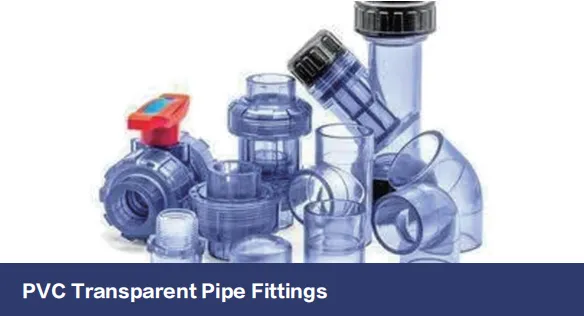
With PVC transparent pipe fittings, you've got a secret weapon - actual visibility! Make regular inspections part of your routine. Shine a flashlight through clear sections looking for cloudy deposits or texture changes indicating biofilm colonies.
Biofilm prevention isn't a one-and-done project. Build this recurring schedule into your home maintenance rhythm:
| Frequency | Action | Key Areas |
|---|---|---|
| Weekly | Flush low-use fixtures | Guest baths, utility sinks, basement faucets |
| Monthly | Baking soda/vinegar treatment | Kitchen drains, shower pipes |
| Quarterly | Hydrogen peroxide flush | Whole-house treatment (follow safety guidelines!) |
| Annual | Full system inspection | Fittings, joints, pressure test, flow rate checks |
Complement this with 6-month hot water tank flushes - sediment buildup there contaminates your entire system. And don't ignore softener systems either; they're notorious biofilm incubators if not maintained.
Smart Upgrade: Consider installing point-of-use UV purification systems near vulnerable areas like kitchen sinks or baby nurseries. While UV doesn't remove existing biofilm, it zaps microorganisms trying to travel between colonies, slowing their spread dramatically.
When it comes to biofilm resistance, not all pipes are created equal. CPVC (Chlorinated Polyvinyl Chloride) takes PVC's natural advantages to the next level with:
Independent tests show CPVC pipes can reduce biofilm formation by up to 99% compared to metal pipes. The secret? That glass-like surface gives bacteria nothing to grab onto, while PVC's chemical neutrality starves them of nutrients metallic pipes leach. In areas with aggressive water chemistry or high bacterial counts, it's worth the upgrade from standard PVC.
If you're retrofitting an older home, focus first on critical joints and fittings where biofilm starts - that's where material upgrades deliver the most impact per dollar. Full repiping gets expensive fast, but strategic replacements in problem zones make a huge difference.
Recommend Products












