Okay, let's talk about keeping your wood plastic composite wall panels looking fresh in whatever weather Mother Nature throws at them. These materials are pretty darn durable, but they're not indestructible – and honestly, they don't want to be! A little TLC goes a long way, no matter if you're dealing with blazing sun, bitter cold, soggy humidity, or anything in between. Think of this as your cheat sheet for making sure your panels keep looking great year after year.
Why climate actually matters (no, really!)
You might think "wood plastic" sounds like it could handle anything, and honestly, it's tougher than most materials. But different climates throw different challenges at these panels. The way you care for them in Arizona's desert heat should be different than how you handle them in Maine's frosty winters. It's not rocket science, but a few smart adjustments can make all the difference between panels that look "meh" after a few years and ones that still get compliments a decade later.
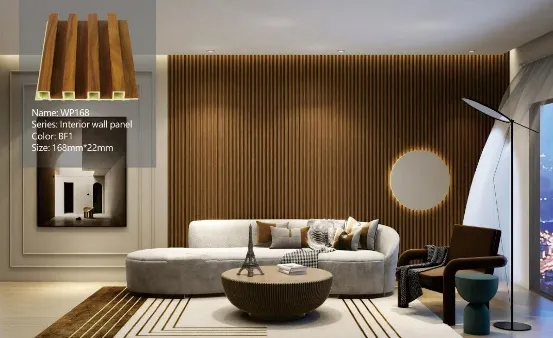
All-climate maintenance basics
Before we dive into specific weather situations, let's cover some ground rules that apply everywhere:
The gentle cleaning routine
Dust bunnies be gone:
A quick once-over with a soft-bristle broom or microfiber cloth every couple of weeks makes a bigger difference than you'd think. No fancy tools needed – just keep those surfaces dust-free.
Deeper clean time:
Every 2-3 months, mix up some warm water with a mild dish soap – think gentle baby shampoo vibes, not heavy-duty degreaser. Soft sponge or cloth only, please! Rinse well and pat dry.
Pro move:
Never use power washers! That high-pressure spray can actually damage the surface texture over time. Good ol' hand washing is the way to go.
Playing stain detective
Party aftermath:
For wine or juice spills, a little diluted vinegar solution (50/50 water and white vinegar) works wonders. Let it sit for 5 minutes before gently wiping.
️
Grease stains:
Baking soda paste is your new best friend. Mix with water, apply, let sit 10 minutes, then gently scrub with a soft toothbrush.
Seasonal check-ups
Inspection time:
Every spring and fall, take 10 minutes to walk around and really look at your panels. Check for cracks, loose bits, or color changes.
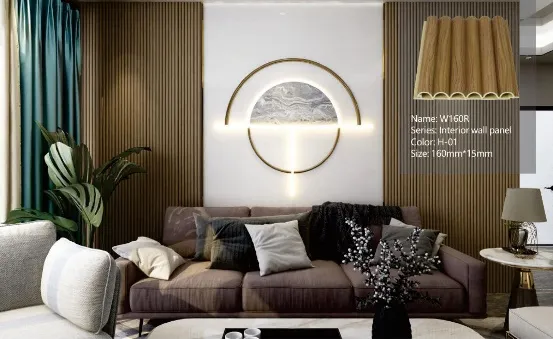
Baking sun and desert dry climates
Ah, those gorgeous sunny days! But too much UV can be tough on your wood plastic wallboard:
☀️
Fade fighters:
Use UV-protective sealant specifically made for composite materials. Apply every 18-24 months – spring application is perfect timing.
️
Heat expansion:
During installation, leave about 1/8" between panels. That tiny gap prevents buckling when materials expand in extreme heat.
Cleaning twist:
Dust buildup can actually amplify heat damage. Step up cleaning frequency during dry seasons – every 3-4 weeks instead of monthly.
Desert wisdom:
Avoid dark-colored panels facing south – they absorb heat like crazy. Lighter colors stay dramatically cooler in desert environments.
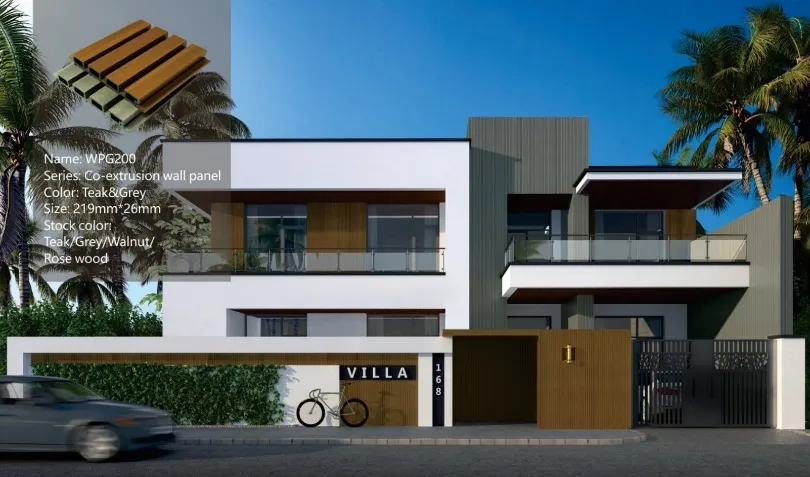
Freezing cold and snowy climates
When the snow starts falling and temperatures plummet, your panels need different care:
️
Snow removal:
Use only plastic shovels or soft push brooms. Metal tools can leave scrapes that'll look awful come springtime.
De-icer danger:
Road salt? Keep it far away from your panels! Those chemicals can damage the material over time. Opt for sand instead for traction.
️️
Thaw tactics:
When ice forms, let it melt naturally. Pouring hot water causes extreme temperature shock that can cause micro-cracks.
Winter inspection:
Check where panels meet other structures – snow buildup against foundations can trap moisture against panels.
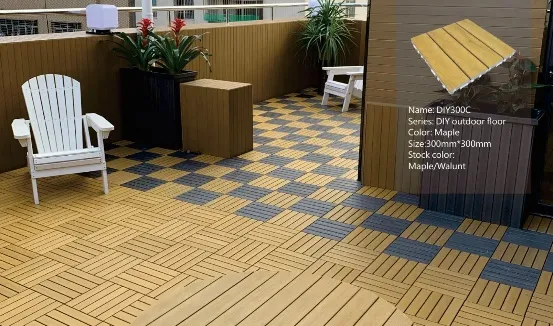
Humid and rainy climates
Constant moisture? Here's how to keep mold and mildew from crashing your exterior design party:
️
Airflow is everything:
Ensure at least 1" clearance between panels and soil or mulch. Plants should be trimmed back to prevent moisture traps.
Mold prevention:
Twice yearly – once before rainy season and once after – treat with vinegar/water solution (1 part vinegar to 4 parts water) as preventative.
Natural treatments:
Tea tree oil solution (1 tsp oil per cup of water) makes an excellent natural fungicide for light mold spots.
Gutter strategy:
Ensure downspouts divert water AWAY from panel areas. Install extended downspout diverters if needed.
Wild temperature swing zones
If you're dealing with summer heat waves followed by cold winters, your panels experience serious flex:
️
Material matters:
Choose higher-end composites with 55-60% plastic content. These handle expansion/contraction cycles better than wood-heavy formulas.
Installation gaps:
In transition zones, increase side gap spacing to 3/16" to accommodate significant expansion movement.
Chemical watch:
Only use sealants specifically labeled "flexible formulation" to accommodate temperature movement.
Damage control: Fixes that actually work
Accidents happen – here's how to handle common issues like a pro:
Scratch magic:
For surface scratches, rub gently with a clean tennis ball (weird but works!). For deeper scratches, fill with matching putty from repair kits.
Ding repair:
Use heat gun cautiously on low setting to gently warm and reshape small dents – don't overheat! Follow manufacturer guides.
Replacement how-to:
Individual panels can be replaced without redoing entire sections. Watch manufacturer tutorials – it's easier than you'd think.
Prevention is cheaper than repair
Chemical no-nos:
Avoid bleach, ammonia, acetone, or oven cleaner near panels. Even occasional use causes cumulative damage.
Furniture protection:
Use felt pads on ALL furniture legs resting against panels. replace pads annually as adhesive weakens.
Landscaping buffer:
Keep plants, especially climbing varieties, away from panels. Constant friction wears down the surface over time.
Indoor positioning:
Don't place heaters, radiators, or AC vents directly facing panels. Constant hot/cold blasts accelerate aging.
When to call the pros
Most maintenance is DIY-friendly, but some situations require professional help:
Water intrusion:
If you see bubbling beneath panel surfaces, stop immediately and call an installer – you might have hidden moisture damage.
️
Structural issues:
When multiple panels warp or bow together, this often indicates framing issues rather than panel problems.
Color matching:
For large area repairs requiring new panels, ordering color-matched batches often needs manufacturer coordination.
Longevity mindset
Maintenance journal:
Keep a simple log – cleaning dates, products used, repairs made. Helps spot patterns over years.
Tags:













