

Picture this: you've invested in beautiful mosaic travertine for your patio or bathroom, only to notice ugly black mold creeping between the tiles a few months later. Don't panic – I've been there too! That stubborn mildew isn't just an eyesore; it can actually damage your stone over time. But here's the good news: with some simple care routines and the right techniques, you can keep your mosaic travertine looking pristine for years.
Travertine's natural beauty comes with a downside – it's porous. That means those pretty crevices and gaps act like tiny sponges, soaking up moisture that mold and mildew just love. Whether you're dealing with kitchen backsplash travertine, patio flooring, or an exterior wall siding project as part of your interior and exterior decoration materials, the prevention and cleaning principles remain similar.
In this guide, we'll walk through everything from daily quick-clean habits to deep-cleaning methods that really work. I'll share what products are safe (and which ones to avoid!), why sealing isn't optional, and how to tackle those impossible-looking stains without damaging your stone.
Let's get real about travertine – it's not like your average tile. This limestone derivative formed around mineral springs has natural pits and holes that give it character... but also make it vulnerable. Honed travertine shows less dirt but needs more gentle cleaning, while polished surfaces might shine brilliantly but also show water spots like crazy.
Pro Tip: Perform the water test! Sprinkle drops in different spots – if they soak in within 1-2 minutes, it's definitely time for a reseal.
The porosity factor can't be stressed enough. Imagine each tiny pore as a miniature cave where moisture hides, creating the perfect breeding ground for mold. This is especially true in humid climates or shaded patios where surfaces don't dry quickly. That's why prevention is always better than cure with travertine.
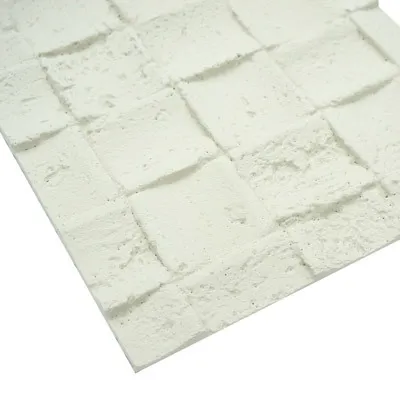
Consistency is key with travertine care. Here's what should become second nature:
Keep a soft-bristle broom dedicated to your travertine. Just 2 minutes of sweeping daily prevents abrasive dirt from grinding into the surface. For mosaics, angle the broom to dislodge debris from crevices.
Red wine on kitchen backsplash? Mud puddle on patio? Blot immediately with a microfiber cloth. Don't rub – you'll just push contaminants deeper into the pores.
Use a garden hose or bucket of clean water to rinse surfaces weekly. This is especially crucial after pollen season or windy weeks. Focus on pushing water through the gaps to flush out hidden grime.
Avoid These! Vinegar, lemon juice, bleach, and ammonia might be fine for ceramics but are travertine killers. Their high acidity or alkalinity eats away at the calcium carbonate in stone. Stick to pH-neutral products only.
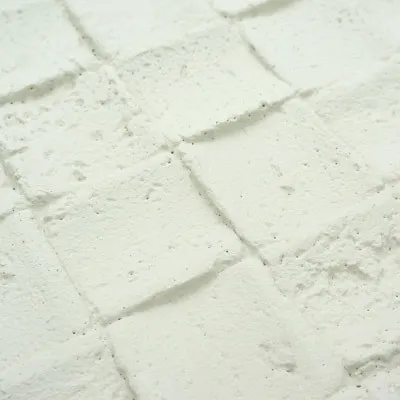
When you already see mildew or discoloration, follow this battle-tested method:
Clear the area completely. Sweep thoroughly, then pre-rinse with a hose or pressure washer on LOW setting (keep nozzle 12+ inches away). Always test pressure on an inconspicuous area first!
Mix 1 gallon warm water with either:
- Commercial stone-safe mold remover
- 1 tsp pH-neutral dish soap
- Hydrogen peroxide solution (1:4 with water)
Use a stiff nylon brush (never metal!) and scrub horizontally across gaps. For mosaics, a toothbrush helps reach tight spots. Apply moderate pressure – vigorous scrubbing wears down the surface.
Flush with massive amounts of clean water, tilting surfaces for runoff. Dry completely with microfiber towels, working sunlight or fans if necessary before sealing.
| Problem | Solution | Product Options |
|---|---|---|
| Deep-set black mold | Apply hydrogen peroxide paste for 15 mins before scrubbing | DuPont Stone Mold Remover |
| Recurring mildew | Improve drainage; install downspout extensions | Gutter extension kits |
| Efflorescence (white powder) | Use alkaline cleaner then thoroughly dry | Miracle Sealants Efflorescence Cleaner |
| Oil/grease stains | Baking soda paste applied overnight | SimpleCoat Oil Stain Remover |
Sealing isn't an optional luxury – it's essential armor for your travertine. A quality sealer fills those microscopic pores, creating a barrier that repels moisture and contaminants. Think of it like a waterproof jacket for your stone!
Step-by-step sealing guide:
Frequency Guide:
- High moisture areas (bathrooms/pools): Reseal annually
- Covered patios: Every 18 months
- Indoor dry areas: Every 2-3 years
Sealer Tip: The "beading test" never lies. Spray water – if droplets stay beaded up, your seal is good. If they soak in or darken the stone, it's resealing time!
While DIY maintenance handles most situations, consider calling pros when:
A professional deep clean typically includes specialized equipment like high-volume low-pressure (HVL) steam cleaners that disinfect without abrasion, industrial-grade sealants, and grout replacement if needed.
Can I use vinegar solutions?
Absolutely not! Vinegar's acidity dissolves the calcium in travertine. It's a great granite cleaner but stone suicide for travertine.
How can I prevent mold in humid climates?
Beyond sealing, use oscillating fans on patios after rain, trim back shade plants for sunlight exposure, and consider installing gutter systems if water pools on your stone.
What brush type won't scratch?
Nylon or natural fiber bristles only. Test an inconspicuous spot first regardless of what the packaging claims.
Is pressure washing safe?
Only with LOW pressure settings (under 1200 PSI) and fan-spray tips. Keep 12+ inches away to prevent etching.
The key to beautiful, mold-free mosaic travertine isn't complicated tools or magic solutions – it's consistency. Make quick daily sweeping and seasonal deep cleaning as routine as changing your smoke alarm batteries. Remember these pillars:
Seal religiously, control moisture, and keep debris cleared. Preemptive care saves backbreaking cleaning later!
pH-neutral cleaners won't degrade stone over decades. Avoid anything acidic or abrasive.
Those crevices make mosaics beautiful but trap moisture. Flush them regularly with clean water.
With these practices, your mosaic travertine won't just survive – it'll thrive as a stunning centerpiece of your home for generations. The extra few minutes of maintenance pay off exponentially in lasting beauty and preventing headaches down the road.
Recommend Products












