


Why Rainy Season Maintenance Matters More Than Ever
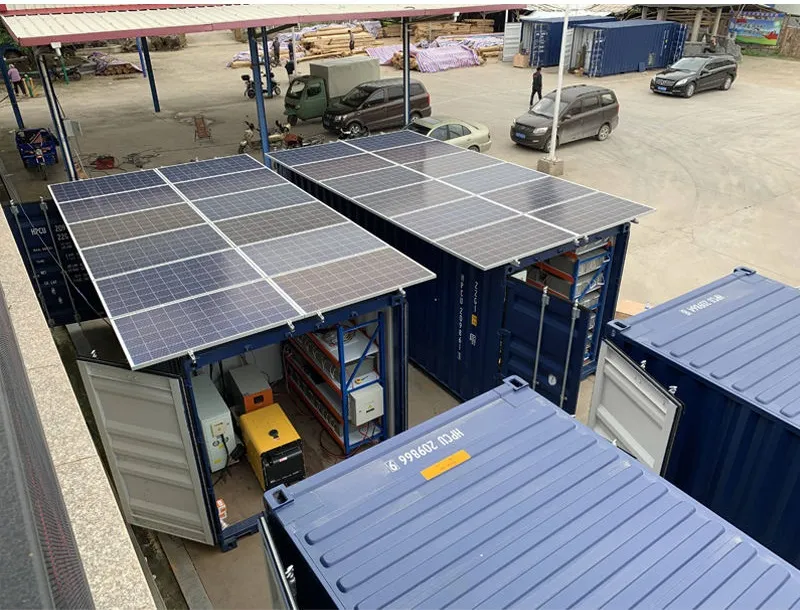
Let's cut through the jargon – solar panels during monsoon aren't just dealing with water. They're battling micro-leaks, mineral deposits, and mud volcanoes that slowly suffocate your energy yield. Think of rainwater like that uninvited guest who brings mud into your living room. Without proper care, efficiency drops up to 25% during peak rainfall months.
The real danger? It's not the big obvious leaks – it's the slow creep of moisture into junction boxes and frame seams that triggers silent killers like PID (Potential Induced Degradation). Picture this: Kerala solar farms saw 18% unexpected failure rates during 2022 monsoons due to overlooked weather seals. That's money literally washing away.
The Monsoon Maintenance Toolbox: Essential Moisture Barriers
Forget generic "waterproofing" – we're talking precision moisture warfare:
Nano-Coating Armor
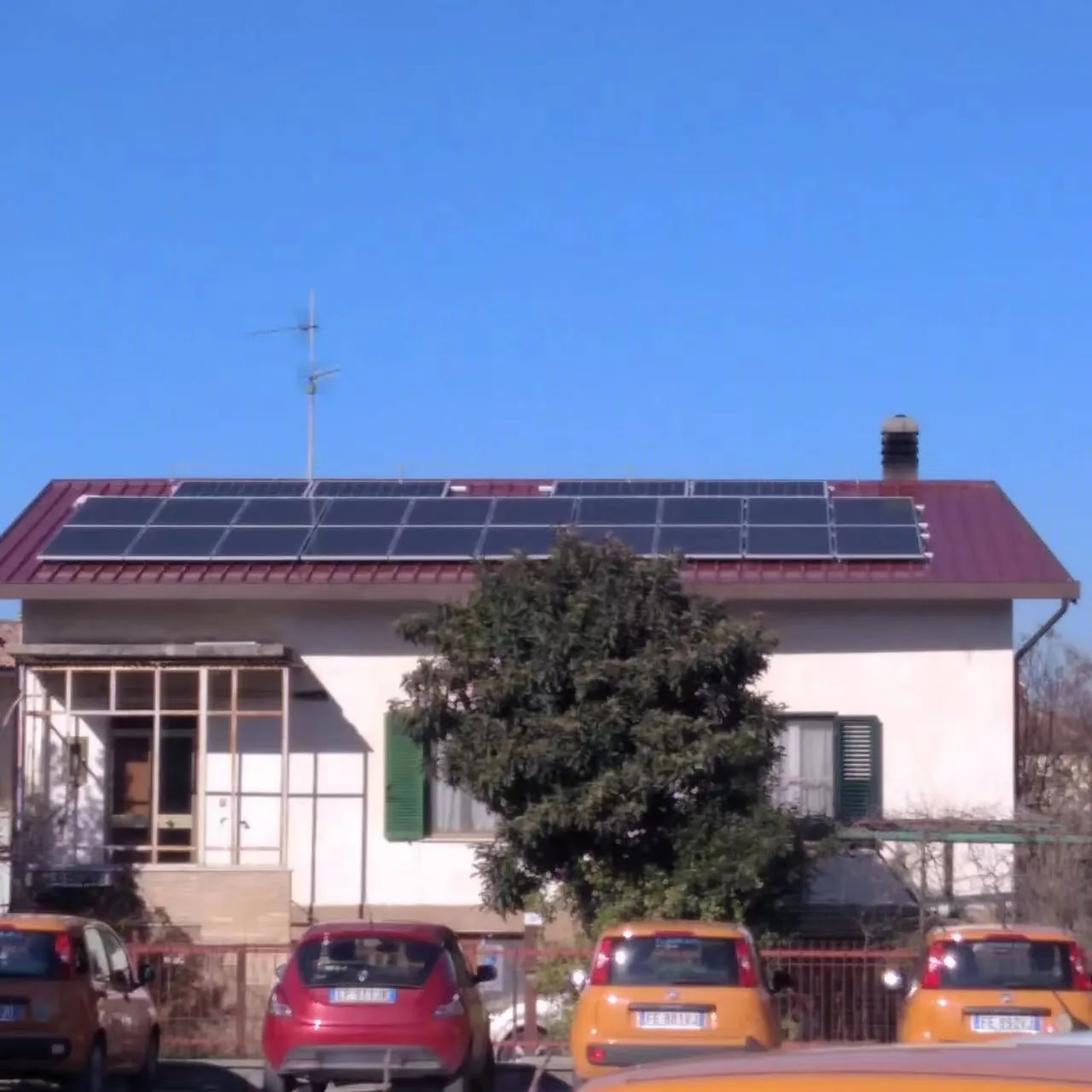
Hydrophobic coatings aren't just rain repellent – they create microscopic force fields. Applied correctly, they boost cleaning efficiency by 40% while preventing mineral adhesion.
Drainage Chess
This isn't about gutters – it's strategic slope calibration. Tamil Nadu installations using 3-degree tilt optimization reduced water pooling by 72%. Get the angle wrong and you're brewing stagnant ponds on panels.
Breathing Seals
Standard silicone traps humidity like Tupperware. Pressure-equalized framing systems with desiccant chambers let panels "exhale" moisture without inviting leaks. Premium options include moisture indicators that change color when compromised.
Here's where many falter: thinking maintenance means after damage occurs. Smart operators implement Condition-Based Maintenance strategies using humidity sensors paired with voltage monitors. This dynamic duo spots microscopic leaks before they escalate.
Inspection Rituals: What Your Eyes Won't Notice
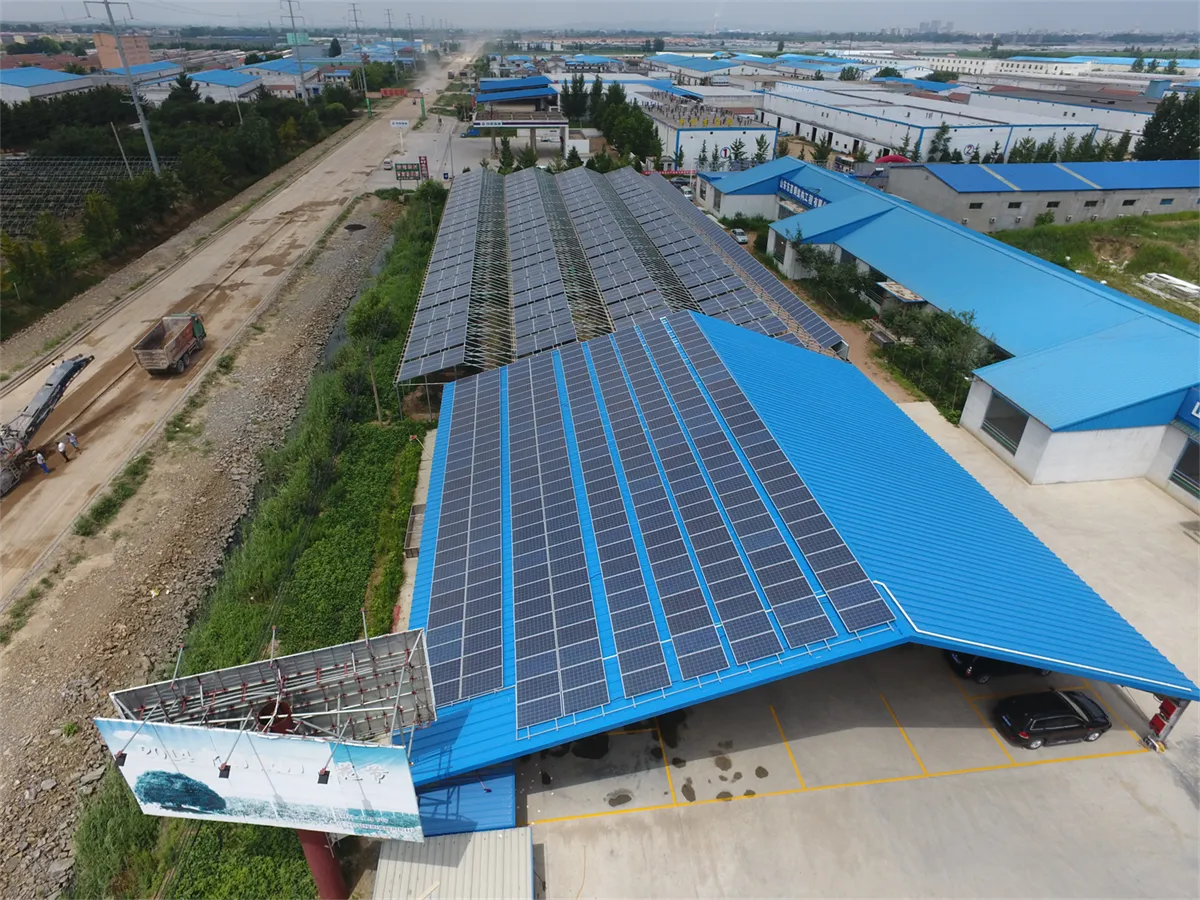
Standard visual checks miss 80% of moisture damage. Upgrade inspections with these unconventional techniques:
The Voltage Stress Test: Applying calibrated reverse bias during drizzle reveals weak spots. Facilities using this technique cut monsoon-related failures by 31%. Pair this with Predictive Maintenance Metrics like Failure Rate (λ) to quantify risk thresholds.
The Tray Test: Place UV-sensitive cards under panels during rain. Water path patterns emerge like forensic evidence, showing exactly where redesign is needed.
Critical Metrics That Don't Lie
Transform maintenance from guessing game to data-driven science:
Moisture Intrusion Index (MII)
Measure humidity differentials between panels and environment. Scores >7 signal critical failure risk – time for seal replacements.
Rain Response Factor
Healthy panels should bounce back within 90 minutes post-storm. Delays indicate drainage issues costing you production.
Remember MTBF? Apply it differently: track Mean Time Between Leak Events . Premium solar farms now extend this metric beyond 1,200 hours during monsoon through predictive resealing.
Beyond Maintenance: Creating Rain-Resistant Systems
Revolutionize your approach with these proactive measures:
Installation Autopsies: Study failed panels like medical examiners. Common findings: 68% failure from frame corner seals installed in temperatures below recommendations.
Robotic Prophylactics: Gujarat facilities use drone-mounted sealant applicators that touch up weak points pre-monsoon. They reduced emergency repairs by $48k/month during peak season.










