
You know that feeling when you flick a light switch and nothing happens? Or when you plug in your phone only to find the socket's gone dead? It's frustrating, right? But beyond the annoyance lies a bigger issue - the hidden costs of electrical failures. Choosing durable electrical components isn't just about convenience; it's a smart financial decision that pays off for decades.
Let's talk real numbers for a second. Replacing a single failed wall switch might cost $75-$150 including labor. But what about the cascading issues? Electrical faults can damage appliances ($200-$2000), trigger fire hazards (priceless), and force expensive emergency call-outs. Now multiply that across your entire property. Suddenly, that extra $5 for a premium switch seems like the bargain of the century.
Through this guide, we'll walk through the real economics of electrical durability. We'll explore how material choices impact longevity, why environmental factors matter more than you think, and how smart buying decisions today can save you thousands down the road. And yes, we'll cover how to choose components that don't just last but actually improve with age.
Consider Sarah's story: She saved $120 on "budget" switches during her kitchen renovation. Within 3 years, two switches failed ($85 repair each), a socket melted her $200 coffee maker, and moisture damage required partial rewiring ($650). Total "savings" became a $900 loss. This happens every day.
Here's what most people miss when comparing electrical components:
| Component | Cheap Version | Premium Version | 10-Year Cost Difference |
|---|---|---|---|
| Standard Switch | $2.50 unit | $8.00 unit | +$82 savings (1 replacement) |
| Wall Socket | $3.00 unit | $9.50 unit | +$150 savings (avoided appliance damage) |
| Electrical Cable (per ft) | $0.35 (16-gauge) | $0.65 (12-gauge) | +$300 savings (eliminated rewiring) |
The premium components don't just last longer - they prevent cascading failures . A failing socket doesn't just stop working; it can:
When choosing components, ask: "Will this likely last 20 years without replacement?" If the answer isn't a clear "yes," upgrade your selection. The lifespan premium pays for itself 3-4x over.
Not all electrical components are created equal. The difference between 5-year and 25-year products comes down to physics:
Pure copper contacts conduct electricity 20% more efficiently than brass or bronze alloys. More importantly, they resist oxidation 4x longer. Translation: Your switches won't develop that annoying "crackle" sound after a few years.
Let's break down critical material choices:
Polycarbonate with a V0 fire rating doesn't just resist flames - it stops electrical arcs from spreading. In high-moisture areas like kitchens, it prevents catastrophic failures when water meets electricity.
Premium switches use beryllium-copper springs (yes, the space shuttle alloy). These maintain tension for 100,000+ flips without weakening. Compare that to cheap springs that deform after 10,000 cycles - which explains why switches eventually start feeling "mushy."
For outdoor areas or bathrooms, IP44-rated seals prevent dust and moisture from causing those annoying "phantom shorts" that trip breakers randomly.
In environments over 60% humidity, cheap electrical components corrode twice as fast. Coastal homes should always use marine-grade hardware - it costs more upfront but lasts 3x longer in salty air.
Not every home needs the same components. A retired couple's guest room switch and a teenager's gaming setup face completely different demands:
| Usage Scenario | Component Risk | Durability Upgrade | Cost Premium |
|---|---|---|---|
| Home Office (8+ hrs/day) | Repeated plug cycles wear socket springs | Commercial-grade sockets with reinforced contacts | +$7/outlet |
| Kids' Rooms | Forceful plug insertion bends contacts | Shutter-protected outlets & reinforced faceplates | +$4/outlet |
| Entertainment Centers | High-power devices cause heat buildup | 20A circuits vs standard 15A | +$60/run |
| Smart Homes | Frequent low-power switching | Switches rated for LED loads specifically | +$5/switch |
Special attention for kitchen sockets: They endure extreme abuse - flour buildup near toasters, grease near fryers, steam from kettles. Here's what works:
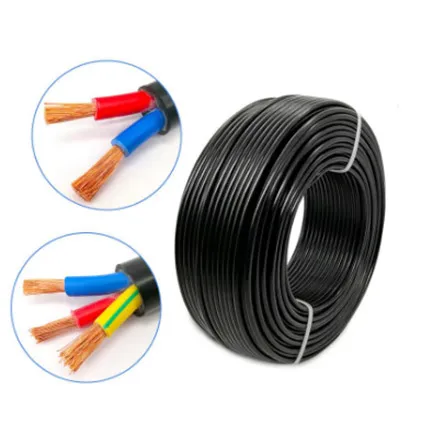
Your beautiful $25 switch is only as good as the wiring behind it. Cable quality determines the entire ecosystem's reliability:
Oxygen-free copper (OFC) cables experience 72% less resistance buildup over 20 years compared to standard copper-clad aluminum (CCA). This translates directly to: No hot spots in walls, no melted insulation, no mysterious breaker trips at 2 AM.
Gauge matters more than people realize:
Installation technique affects cable longevity:
Run conduit pipes with pull strings whenever possible. This lets you upgrade wiring without opening walls later. For new construction, it adds <$0.50/sq ft but saves thousands in renovations.
Even premium electrical systems need simple care routines. These take minutes but prevent expensive failures:
Every 3-5 years, hire an electrician for:
The Unbreakable Habit: Always plug and unplug cables by gripping the connector head - never yank the cable itself. This single habit preserves socket springs for decades.
Electrical needs differ wildly by space. Standard home components fail quickly in harsh conditions:
Choosing durable switches, sockets, and cables comes down to seeing electrical components as infrastructure rather than commodities. The upfront premium for high-quality materials pays for itself through:
Remember: True durability combines quality materials, proper sizing for usage, environmental protections, and simple maintenance habits. Ignore short-term price tags - calculate costs over decades instead. As one master electrician quipped: "Cheap electrical work isn't saving money; it's just prepaying future repair bills with interest."
For those who consider environmentally friendly building materials a priority, note that durable components also create less waste from replacements and consume fewer resources over their extended lifespan. A single premium switch avoiding replacement creates less landfill than three disposable ones.
Recommend Products












