
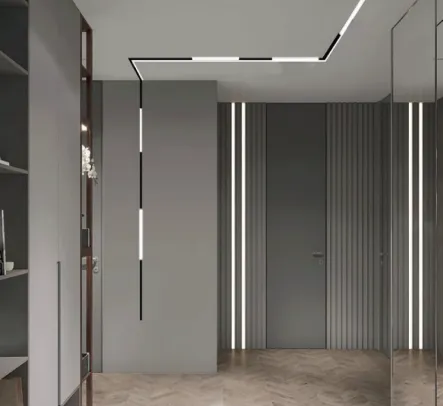
Let's be real – everyone's chasing that sweet spot between style and practicality these days. That's where magnetic track lighting struts in like a rockstar. Imagine being able to slide, twist, and rearrange your lights without calling an electrician. Need to highlight your favorite art piece next Tuesday? Just snap off a fixture and pop it where you want. It's like LEGO for grown-ups who care about ambiance.
These systems have exploded beyond museums and galleries. Coffee shops use 'em to make latte art pop, homeowners create gallery walls without rewiring, and offices eliminate that soul-crushing fluorescent glare. The real game-changer? The led lights revolution made them crazy energy-efficient. We're talking 70% less juice than old halogen tracks while lasting 25,000+ hours. Oh, and no more third-degree burns when you adjust them – cool-to-touch tech is standard now.
Alright, let's cut to the chase: what's this gonna cost ya? Prices swing wildly based on three things: quality, smarts, and sparkle factor. Here's the 2025 reality check:
| Component | Budget-Friendly | Mid-Range | Premium | Best For |
|---|---|---|---|---|
| Track (per linear ft) | $8–12 | $15–25 | $30–50+ | Straight runs vs. curved designer systems |
| Magnetic Heads | $15–25 each | $30–60 each | $75–200+ each | Basic spots vs. museum-grade adjustable beams |
| Smart Controller | Included w/system | $40–100 | $150–300 | App control, schedules, voice integration |
| Installation | $150–300 (DIY-friendly) | $300–600 | $800–$2,000+ | Simple swap vs. architectural integration |
Real-talk example: Lighting up a 12' kitchen island? Budget system: ~$250. Mid-range with dimmable heads and app control: ~$650. Luxury curved track with designer heads: $2,000+. Pro tip: china lighting manufacturer direct sales can slash mid-tier costs by 30–40% if you skip the middleman.
Forget just living rooms. Magnetic tracks are flexing hard in 2025:
Commercial spaces are especially obsessed. One restaurant owner told me: "Changing the vibe from brunch to date night takes 5 minutes – I just swap warm and cool heads." That's the magic of magnetic systems: architectural lighting solutions that actually adapt to real life.
Worried your lights will look dated by 2026? Smart thinking. Here's how to buy wisely:
High CRI (90+), dim-to-warm tech, and at least IP20 rating (IP44 for kitchens/baths). Skip anything without these – they're as outdated as flip phones.
App-controlled systems using Matter protocol. They play nice with Apple/Google/Amazon ecosystems simultaneously. Color-tuning heads also future-proof against lighting trends.
"Voice-only" controls – screens and apps are winning. Gimmicky RGB party modes? Cool for teens, cringe everywhere else.
Bottom line: Magnetic tracks now bridge residential and commercial lighting needs seamlessly. One contractor put it best: "Install once, reconfigure endlessly." That flexibility kills the old "buy new lights every remodel" cycle.
We grilled lighting designers and contractors for their unfiltered advice:
"Clients obsess over fixture cost but ignore installation. Magnetic tracks cut electrician hours by 60% versus rewiring traditional systems. That's where real savings live."
"Stop buying tracks that lock you into one brand. 2025's winners use universal magnetic connectors – lets you mix heads from multiple manufacturers."
Magnetic track lighting in 2025 isn't just functional – it's freedom. Freedom to redesign spaces on a whim, freedom from sky-high energy bills, freedom to make mistakes (heads pop off cleanly if you bump 'em). Whether you're lighting a boutique or your bookshelf, the rules are simple:
The days of rigid, boring ceiling lights are over. With prices ranging from IKEA-friendly to "call the designer," there’s a magnetic solution for every wallet. And honestly? That adaptability perfectly captures our 2025 vibe: flexible, personal, and always ready for what's next.
Recommend Products












