
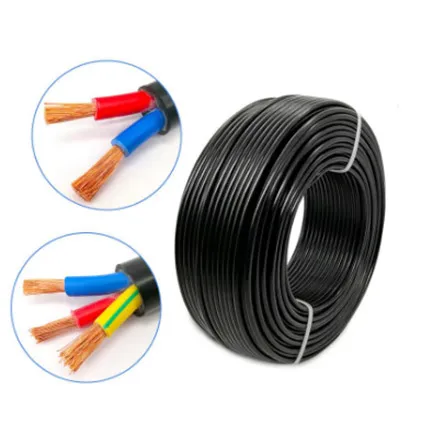
Ever stared at a tangled mess of cables and wondered why some are thick as your wrist while others feel flimsy? The difference often boils down to voltage classes—low voltage (LV) and medium voltage (MV) cables serve vastly different worlds. In modern cities and factories, these cables are the **electrical equipment** lifeblood powering everything from your smartphone charger to subway trains.
Low Voltage Cables (LV): Think 50V–1000V—ideal for everyday use like residential wiring, USB chargers, or LED lighting. They're the "everyday heroes" we rarely notice.
Medium Voltage Cables (MV): Operate between 1kV–69kV. These power industrial plants, substations, and renewable energy farms. They're built tough to handle surges your coffee maker never could.
| Characteristic | Low Voltage | Medium Voltage |
|---|---|---|
| Typical Voltage Range | 50V - 1000V | 1kV - 69kV |
| Insulation Thickness | 0.5mm - 3mm | 3mm - 10mm |
| Common Conductor Materials | Copper or Aluminum | Copper w/ XLPE coating |
In corrosive factories? Pick EPR-insulated MV cables. For damp basements, LV cables need water-resistant jackets like polyethylene.
MV cables require fire-retardant layers (LSZH material) and partial discharge tests. LV systems? Focus on bend radius during installation.
MV cables cost 3x more but last 25+ years—ideal for subway systems. For a DIY garage project, LV’s lower price wins.
In 2020, a Midwest wind farm’s power cables corroded after 3 years. Why? Engineers picked low-cost PVC over XLPE insulation for MV lines. Result: $2M in replacements.
Smart cables with embedded sensors are coming. Imagine LV wires detecting overheating before a fire starts or MV lines reporting fatigue at splice points.
Material innovations like nano-coated conductors could cut MV cable diameters by 30%, making tunnels easier to wire. For homes, **custom furniture** increasingly hides LV cabling—so your loft stays Instagram-ready.
Whether it’s charging your e-bike (LV) or powering a steel mill (MV), voltage classes aren’t arbitrary tech jargon—they're engineered for safety, efficiency, and cost. When choosing between them, ask: What’s the risk of failure? How harsh is the environment? Is this a 2-year pop-up shop or a 50-year power plant?
Your **bathroom remodel** needs flexible LV cables. A new subway line demands rugged MV monsters. Match wisely, and those hidden wires will silently ace their mission.
Recommend Products












