

Every building owner knows the drill: after the paint dries and the last nail is hammered, the real cost of ownership begins. Maintenance bills creep in—power washing, sealing, repairing cracks, replacing worn panels—and over time, they can eclipse the initial construction budget. For those tired of pouring money into never-ending upkeep, there's a game-changing solution: MCM flexible cladding stone wall panels . These innovative building materials aren't just about aesthetics; they're a strategic investment in long-term savings. In this guide, we'll break down why MCM panels stand out in the crowded market of wall solutions, how their low-maintenance design translates to real dollars saved, and why partnering with the right supplier matters for maximizing those benefits.
Let's start with the basics. MCM, or Metal Composite Material, is a cutting-edge cladding solution that mimics the look of natural stone but with a fraction of the hassle. Picture this: a thin, lightweight panel made by bonding two aluminum sheets to a polyethylene core, then coated with a stone-like finish. The result? A material that's flexible enough to curve around architectural details, tough enough to withstand harsh weather, and so low-maintenance it might just make you rethink what "building upkeep" means.
Unlike solid stone slabs that require heavy machinery to install and constant sealing to prevent water damage, MCM panels are designed for practicality. A mcm flexible cladding stone wall panel supplier will tell you: these panels weigh as little as 3-5 kg per square meter, making installation faster and labor costs lower from day one. And that flexibility? It's not just for show. Whether you're cladding a curved retail facade or a angular residential exterior, MCM panels bend without cracking, opening up design possibilities that rigid materials can't match.
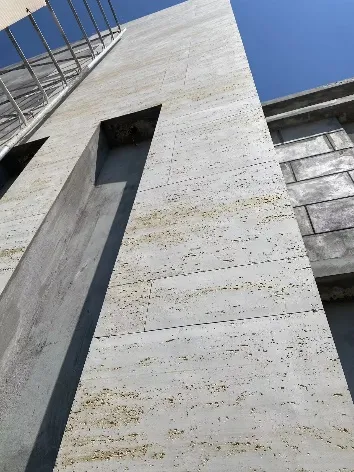
Here's the secret sauce: MCM panels are built to resist the elements that typically wear down building materials. Let's break down their superpowers:
Imagine a coastal building in Saudi Arabia, battered by salt spray and intense sunlight, or a school in a rainy region where moisture seeps into every crevice. Traditional stone or wood cladding would fade, warp, or develop mold within years. MCM panels? Their aluminum core and protective coating shrug off UV rays, so colors stay vibrant without repainting. They're also impervious to water—no more sealing every 6 months to prevent rot or staining. A quick hose-down with mild soap once or twice a year is all it takes to keep them looking new.
In commercial spaces like shopping malls or hotel lobbies, wall panels take a beating—from luggage carts, stray shopping bags, even the occasional wayward basketball. MCM's tough outer layer resists scratches and dents, unlike porcelain slab tiles (which chip easily) or bamboo charcoal boards (prone to scuffing). A bamboo charcoal board wall panel supplier might tout eco-friendliness, but when it comes to durability in busy areas, MCM pulls ahead.
Traditional stone cladding often requires harsh sealants to repel water—chemicals that cost money and release fumes. MCM panels? They come pre-finished with a protective layer that never needs reapplication. And if a panel does get damaged (say, from a rare hailstorm), replacement is a breeze: just pop off the old one and snap on a new one, no need to redo the entire wall. Compare that to natural granite, where a single crack might mean replacing an entire slab at thousands of dollars.
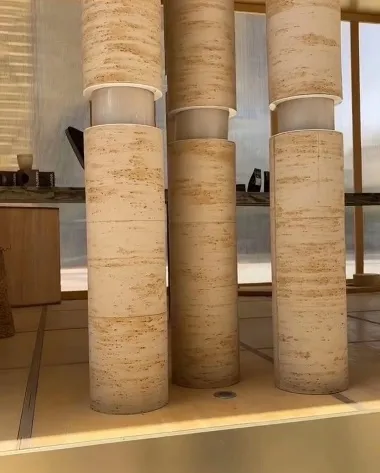
Low maintenance sounds great, but does it actually save money? Let's crunch the numbers. We'll compare MCM panels to three common alternatives: natural stone, porcelain slab tiles (a popular porcelain slab tile for wall solutions ), and Class A fireproof CPL inorganic boards (often used in hospitals and schools for safety).
| Material | Initial Cost (per sqm) | Annual Maintenance Cost (per sqm) | Expected Lifespan (years) | Total Cost Over 20 Years (per sqm) |
|---|---|---|---|---|
| MCM Flexible Cladding Panels | $80-$120 | $5 (occasional cleaning) | 30+ | $80 + (20×$5) = $180 |
| Natural Granite Stone | $150-$250 | $30 (sealing, repairs, cleaning) | 25 | $150 + (20×$30) = $750 |
| Porcelain Slab Tiles | $100-$180 | $20 (grout sealing, chip repairs) | 20 | $100 + (20×$20) = $500 |
| Class A Fireproof CPL Inorganic Board* | $90-$140 | $15 (surface cleaning, edge repairs) | 15 | $90 + (15×$15) = $315 (then replacement) |
* class a fireproof cpl inorganic board for hospital and school solutions offer excellent fire safety but require more upkeep than MCM.
The numbers speak for themselves. Over 20 years, MCM panels cost less than half of natural stone and a third of porcelain tiles. For a 500 sqm commercial building, that's a savings of $285,000 compared to granite—money that could go into expanding your business, upgrading facilities, or boosting profits. And since MCM lasts 30+ years, the savings only grow over time.
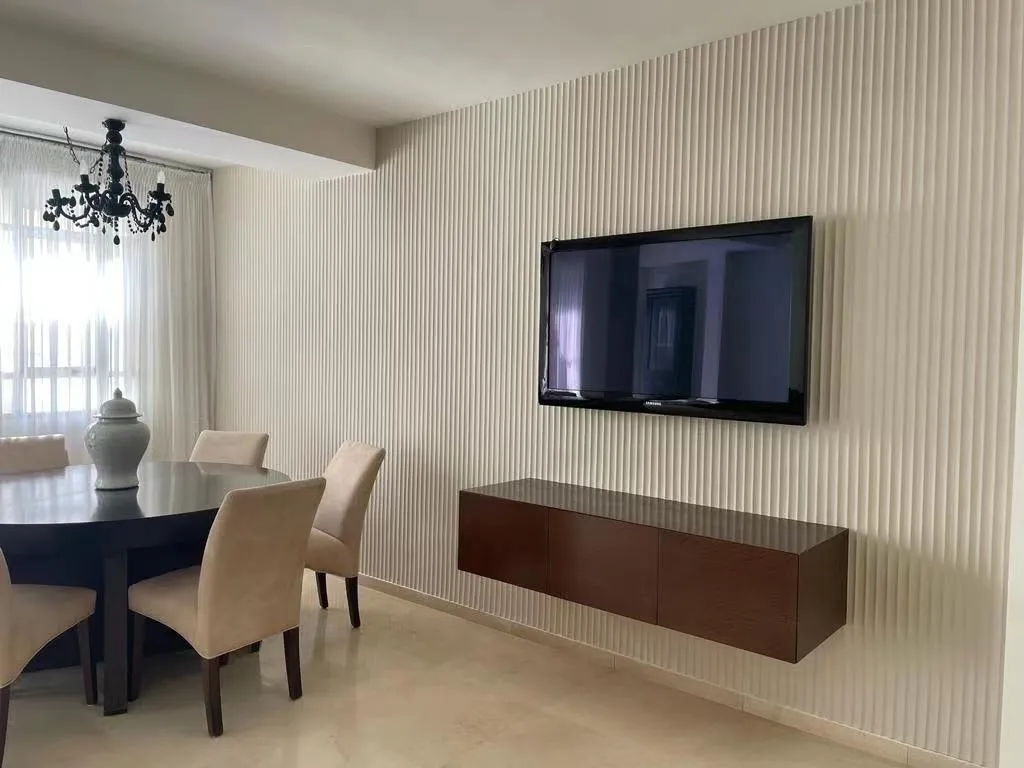
Let's ground this in reality with two examples:
In 2018, a shopping mall in Riyadh replaced its aging porcelain slab tile exterior with MCM panels from a local mcm flexible cladding stone wall panel supplier . The mall's facilities manager, Ahmed, shared: "Before, we were spending $40,000 annually on sealing grout lines and replacing chipped tiles. Now? We budget $5,000 a year for pressure washing. Over five years, that's $175,000 saved—and the panels still look brand new."
A 20-unit apartment building in Jeddah opted for MCM cladding in 2020. Homeowner Fatima notes: "Our HOA fees used to go up every year because of exterior repairs. Now, we haven't raised fees once. Last month, we even used the saved money to upgrade the gym. MCM wasn't the cheapest option upfront, but it's the smartest decision we made for our community."

MCM panels aren't one-size-fits-all. A reputable mcm flexible cladding stone wall panel solutions provider will offer customization options to match your project's unique needs:
Compare this to porcelain slab tile for wall solutions : while porcelain is durable, it's heavy (harder to install) and limited in design flexibility. MCM, on the other hand, adapts to your vision without compromising on practicality.
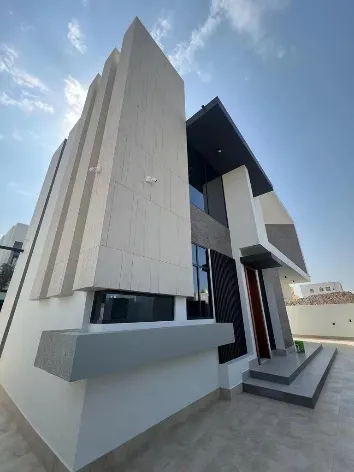
Not all MCM panels are created equal. To maximize savings and performance, you need more than a supplier—you need a partner who offers end-to-end mcm flexible cladding stone wall panel solutions . Here's what to look for:
Ask for certifications: ISO standards, fire safety ratings, and weather resistance testing. A reliable supplier will happily share lab results proving their panels can withstand Saudi Arabia's heat or coastal humidity.
MCM panels are easy to install, but improper fitting can void their benefits. Look for suppliers who provide training or on-site guidance for contractors. As one installer put it: "A good supplier doesn't just sell you panels—they make sure your team knows how to make them last."
Whether you need panels cut to specific sizes or a custom stone finish to match a heritage building, a top mcm flexible cladding stone wall panel supplier will work with you to create a solution that fits your project's unique demands.
In a world where building costs are rising and sustainability is non-negotiable, MCM flexible cladding stone wall panels check every box: they're durable, eco-friendly, and designed to save you money over decades. They're not just a material—they're a long-term investment in peace of mind.
So, if you're tired of watching maintenance bills pile up, or if you're planning a new project and want to avoid future headaches, it's time to explore mcm flexible cladding stone wall panel solutions . Talk to a trusted supplier, crunch the numbers for yourself, and see how much you could save. After all, the best building investments are the ones that keep giving—year after year, with minimal effort.
Recommend Products











