
Water is the lifeblood of our planet, yet global water scarcity continues to escalate, with buildings accounting for a significant portion of unnecessary water loss. From dripping faucets to hidden pipe leaks, the plumbing systems that keep our homes, offices, hospitals, and schools running often contribute silently to this crisis. According to the World Green Building Council, leaky pipes in commercial and residential buildings waste an estimated 1 trillion gallons of water annually—enough to supply over 10 million households for a year. Behind these staggering numbers lies a critical truth: the choice of plumbing materials directly impacts how much water we save or squander. In this article, we explore how low-leakage UPVC (unplasticized polyvinyl chloride) pipe solutions are emerging as a game-changer in reducing water waste, offering durability, reliability, and peace of mind for building owners, contractors, and upvc pipe suppliers alike.
Water waste in buildings is rarely obvious. Unlike a burst pipe that floods a room, most leaks are slow, silent, and hidden within walls, ceilings, or underground. Over time, these "invisible" leaks add up: a single dripping pipe can waste up to 20 gallons of water per day, while a more significant leak in a commercial building's main supply line can lose hundreds of gallons hourly. Beyond the environmental impact, leaky pipes drive up utility bills, cause structural damage (mold growth, rotting wood, foundation erosion), and disrupt daily operations—especially in critical settings like hospitals or schools, where consistent water supply is non-negotiable.
The root causes of these leaks are often tied to outdated or subpar plumbing materials. Traditional metal pipes (copper, galvanized steel) corrode over time, developing pinholes and cracks. Even some plastic pipes, if poorly manufactured or mismatched with fittings, fail to create tight seals, leading to seepage. For building owners and contractors, the solution starts with choosing pipes designed to minimize leakage from the start. This is where UPVC pipe solutions stand out, engineered to address the weaknesses of older materials and set a new standard for low-leakage plumbing.
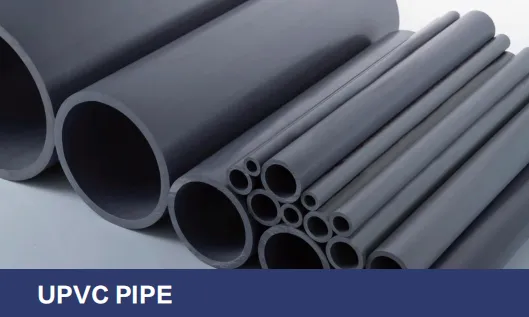
UPVC pipes are a type of rigid plastic piping made from unplasticized polyvinyl chloride—a material that lacks the plasticizers added to standard PVC pipes to make them flexible. This key difference gives UPVC pipes superior strength, rigidity, and resistance to chemical degradation. First developed in the 1960s, UPVC has evolved into a staple in modern plumbing, trusted for its ability to withstand high water pressure, resist corrosion, and maintain structural integrity over decades. Unlike their plasticized PVC counterparts (often used in drain-waste-vent systems, or PVC DWV pipes), UPVC pipes are designed for pressurized water supply lines, making them ideal for residential, commercial, and light industrial applications.
For upvc pipe suppliers, the demand for these pipes stems from their unique combination of performance and affordability. Unlike metal pipes, UPVC does not rust, scale, or corrode when exposed to water, chemicals, or soil. Its smooth inner surface reduces friction, minimizing pressure loss and the risk of blockages—two factors that indirectly contribute to leakage by straining pipe joints. Perhaps most importantly, UPVC pipes are precision-manufactured to create tight, secure connections, ensuring that once installed, they remain leak-free for decades.
At the heart of UPVC pipe solutions is their ability to minimize leakage—a feature built into their design, materials, and installation methods. Let's break down the mechanisms that make UPVC pipes a low-leakage champion:
UPVC pipes and fittings are manufactured to exacting tolerances, ensuring a snug fit between pipes and connectors. Most UPVC systems use socketed joints with rubber O-rings or gaskets, which compress when the pipe is inserted, creating a watertight seal. For permanent installations, solvent cement bonding is used: a specialized adhesive that chemically fuses the pipe and fitting into a single, seamless unit. This bond is so strong that in many cases, the pipe itself will fail before the joint does—eliminating the risk of leaks at connection points, a common weak spot in other piping systems.
Corrosion is a leading cause of pipe leaks, especially in areas with hard water or aggressive soil conditions. UPVC pipes are inherently resistant to corrosion, rust, and chemical attack from acids, alkalis, and salts—making them ideal for both indoor and underground installations. Unlike metal pipes, which degrade over time, UPVC maintains its structural integrity, ensuring that walls remain thick and joints remain tight for up to 50 years or more. This longevity is a key selling point for upvc pipe suppliers, who emphasize that "install once, forget for decades" reliability.
Water supply systems in tall buildings or commercial facilities operate under high pressure, which can strain pipes and cause leaks at weak points. UPVC pipes are engineered to withstand significant pressure (ranging from 10 bar to 25 bar, depending on the diameter and schedule), making them suitable for multi-story residential towers, hospitals, and industrial plants. Their rigidity prevents expansion and contraction under pressure, ensuring joints stay intact even during peak water usage periods—unlike more flexible pipes, which may shift and loosen over time.
To truly appreciate UPVC's low-leakage benefits, it helps to compare it with other common piping materials, such as PPR (polypropylene random copolymer), PVC DWV (drain-waste-vent), and even traditional metal pipes. The table below highlights key differences in leakage risk, durability, and applications:
| Piping Material | Leakage Risk | Typical Lifespan | Pressure Resistance | Best For | Key Weakness |
|---|---|---|---|---|---|
| UPVC (Unplasticized PVC) | Very Low (tight joints, corrosion-resistant) | 50+ years | High (10–25 bar) | Residential/commercial water supply, cold water lines, industrial mild chemical transport | Not ideal for high-temperature (above 60°C) applications |
| PPR (Polypropylene Random Copolymer) | Low (heat-fused joints) | 40–50 years | Medium-High (6–20 bar) | Hot and cold water systems, residential plumbing | Joints may weaken if fusion is improperly done (requires skilled installers) |
| PVC DWV (Drain-Waste-Vent) | Medium (gravity-dependent, not for pressure) | 30–40 years | Low (non-pressurized systems) | Drainage, venting, sewage lines | Not suitable for pressurized water supply; prone to leaks under pressure |
| Galvanized Steel | High (corrodes over time) | 20–50 years (varies by water quality) | High | Older residential/commercial water lines | Corrodes, scales, and develops leaks; heavy and expensive to install |
As the table shows, UPVC pipes excel in low leakage risk, especially in pressurized water supply systems. While ppr pipe and fitting suppliers highlight PPR's suitability for hot water, UPVC remains the top choice for cold water applications where tight, long-lasting joints are critical. Similarly, pvc dwv pipe suppliers focus on drainage, but UPVC's pressure resistance makes it a more versatile solution for active water supply.
UPVC pipes are not a one-size-fits-all solution—they are tailored to meet the unique needs of different building types. Reputable upvc pipe suppliers offer a range of sizes (from 16mm to 630mm in diameter), schedules (wall thicknesses), and fittings (elbows, tees, valves) to accommodate everything from a small home's kitchen sink to a hospital's main water line. Let's explore how UPVC pipe solutions are making a difference in key sectors:
In homes, UPVC pipes are the backbone of kitchen and bathroom plumbing, delivering clean water to faucets, showers, and appliances. Their low-leakage design ensures that families don't waste water (or money) on hidden leaks. For example, a 3-bedroom house with UPVC pipes can reduce water bills by 15–20% compared to a home with aging galvanized steel pipes, according to data from the Plumbing-Heating-Cooling Contractors Association. Homeowners also benefit from UPVC's lightweight nature, which reduces installation time and labor costs—making it a favorite among contractors working on new builds or renovations.
Commercial buildings, such as hospitals, schools, and office complexes, require plumbing systems that can handle constant, high-volume water use. UPVC pipe solutions are ideal here, thanks to their pressure resistance and durability. In hospitals, for instance, where water quality and hygiene are paramount, UPVC's smooth inner surface prevents bacterial growth (unlike metal pipes, which can harbor pathogens), while its leak-free joints ensure uninterrupted supply to operating rooms and patient care areas. Similarly, in schools, UPVC pipes stand up to the wear and tear of thousands of students using restrooms and drinking fountains daily—minimizing maintenance disruptions.
In 2023, a 500-unit residential complex in Riyadh, Saudi Arabia, faced chronic water waste issues due to aging copper pipes that had developed corrosion-related leaks. The property management team partnered with a local upvc pipe supplier to replace the entire water supply system with UPVC pipes. Post-installation, water meter data showed a 28% reduction in monthly water usage, translating to savings of over 1.2 million gallons annually. Residents reported fewer plumbing issues, and the complex's maintenance costs dropped by 40%. "UPVC wasn't just a replacement—it was an upgrade," noted the project engineer. "The tight joints and corrosion resistance have given us peace of mind we never had with copper."
Beyond water supply, UPVC pipes are used in light industrial settings to transport mild chemicals, acids, and wastewater. Their chemical resistance prevents leaks that could harm workers or the environment, making them a safe, cost-effective alternative to stainless steel pipes. Pipes fittings suppliers often pair UPVC pipes with specialized valves and connectors for these applications, ensuring a fully integrated, leak-free system.
Not all UPVC pipes are created equal. To maximize the low-leakage benefits, building owners and contractors must partner with reputable upvc pipe suppliers who prioritize quality and compliance. Here are the top factors to consider when selecting a supplier:
For example, a leading upvc pipe supplier in the Middle East offers a 25-year warranty on their pipes, backed by third-party testing and a dedicated technical team. Such guarantees reflect confidence in the product's low-leakage performance and long-term reliability.
Even the best UPVC pipes will fail if installed improperly. To maximize their low-leakage potential, contractors must follow best practices:
UPVC pipes require minimal maintenance, but regular checks can catch potential issues early:
As the demand for sustainable building practices grows, upvc pipe suppliers are investing in innovations to make UPVC even more efficient. One emerging trend is the integration of smart leak detection sensors into UPVC pipe systems. These sensors, attached to fittings or inline, monitor flow rates and pressure changes, alerting building managers to leaks in real time via mobile apps. This technology transforms UPVC from a "passive" low-leakage solution to an "active" one, preventing small leaks from becoming major problems.
Another focus is sustainability. Modern UPVC pipes are 100% recyclable at the end of their lifespan, and manufacturers are reducing their carbon footprint by using renewable energy in production. Some suppliers are also developing bio-based UPVC variants, using plant-derived materials to replace a portion of the petroleum-based resin—without compromising strength or leakage resistance.
Water waste in buildings is a solvable problem, and low-leakage UPVC pipe solutions are leading the charge. By combining precision engineering, durable materials, and versatile design, UPVC pipes reduce water loss, lower costs, and enhance the reliability of plumbing systems in homes, hospitals, schools, and beyond. For building owners, the choice is clear: investing in quality UPVC pipes from trusted upvc pipe suppliers isn't just about plumbing—it's about contributing to a more sustainable, water-wise future.
As the global focus on water conservation intensifies, UPVC pipes will continue to play a vital role in building healthier, more efficient spaces. Whether you're constructing a new home, renovating a commercial complex, or upgrading an industrial facility, remember: the right pipes don't just carry water—they protect our most precious resource.
Recommend Products












