


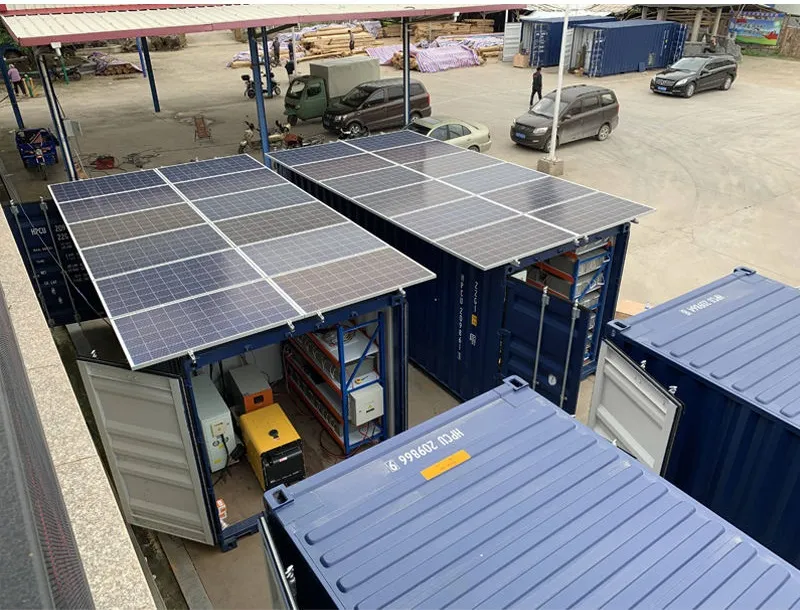
Let's talk about something super important if you're using solar panels outside for years: UV resistance. You know how sunlight can fade your favorite shirt? Well, UV rays do the same thing to solar panels – but worse. Over time, that bright sun we rely on for energy actually breaks down the materials protecting our panels. That yellowing effect you might see on old electronics? UV damage is often the culprit.
The stakes are high. When UV radiation degrades the encapsulant layer (that's the protective coating), moisture sneaks in, efficiency drops, and your power bills creep up. Ever noticed how plastic lawn furniture gets brittle? Similar chemistry happens here. The polymers literally lose their strength under relentless sun exposure.
Why Your Panel's "Skin" Matters
Think of solar panels like athletes – their outer protection determines longevity. Most panels use EVA (ethylene vinyl acetate) as their primary shield. Decent stuff, but when UV photons constantly bombard it, cross-links between molecules break apart. Imagine a fishing net fraying strand by strand. Manufacturers counter this by:
- UV-blocking additives like hindered amine light stabilizers – the sunscreen for your panels
- Ceramic nanoparticle coatings that reflect harmful rays while letting light through
- Advanced polymers like polyolefin elastomers that handle stress better
Ever see a panel with a whitish haze? That's encapsulant degradation, and it can slash output by 1-2% annually. For a home system, that's hundreds of dollars lost over 15 years.
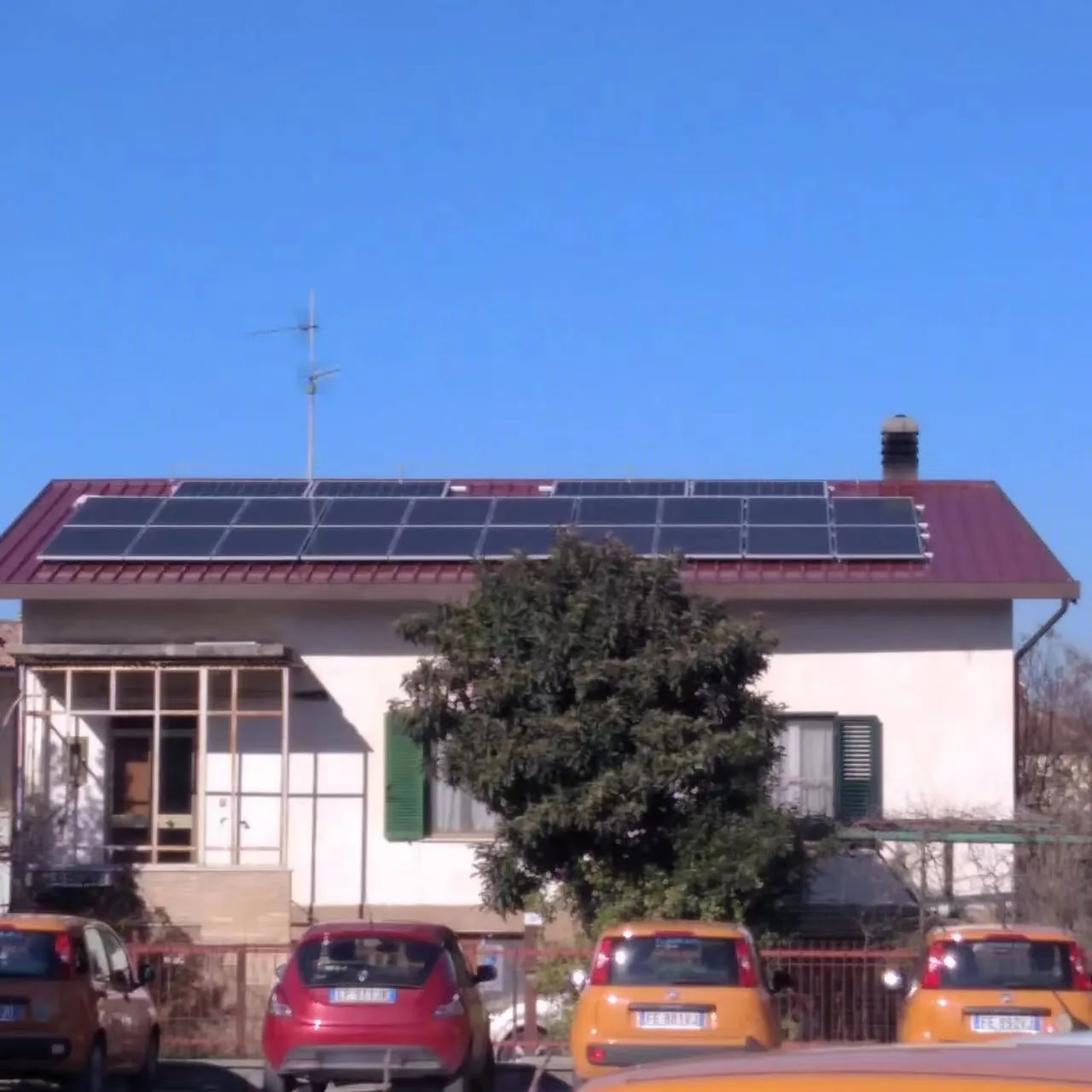
The Real-World Test: Desert vs. Coast
UV damage isn't equal everywhere. Consider these extremes:
Arizona Desert
UV index regularly hits 11+, with 12 hours of daily exposure. One study found panels here showing microcracks after just 5 years. The fix? Dual-layer encapsulation with ionomer barriers slowed degradation by 60% compared to standard EVA.
Florida Coast
Humidity teams up with UV rays here. Salt spray accelerates chemical breakdown. Top performers featured silicon nitride coatings – they reflected UV while sealing out moisture. Result? 15% less power degradation after a decade.
Remember, UV is just one player in material degradation. Combined with wind stress, thermal cycling, and pollutants, your panels face more challenges than just sunlight.
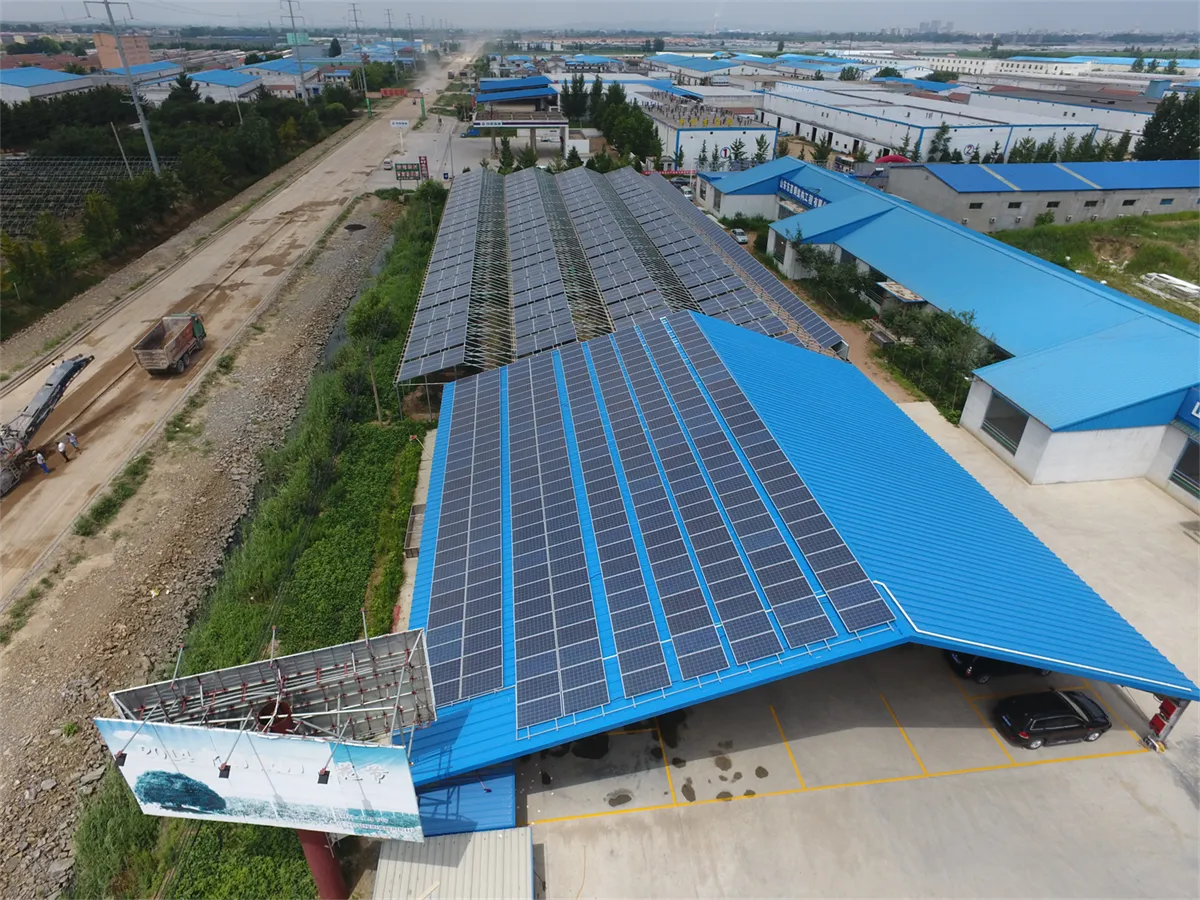
Future-Proofing Your Investment
How do you choose panels that won't crumble? Three practical steps:
Check the Specs Wisely
Look beyond basic certification. Ask about "UV Cutoff Wavelength" – top performers block rays below 380nm. Better yet, demand actual long-term performance data like PID tests showing < 5% degradation after simulated sunlight exposure.
Installation Matters More Than You Think
Mounting angle impacts UV load. A 35° tilt in Miami reduces yearly UV exposure by 15% versus flat installation. And leave airflow space behind panels – excessive heat accelerates UV damage.
Low-Cost Protective Solutions
Apply UV-resistant film yourself. Materials like ethylene tetrafluoroethylene (ETFE) cost less than replacement panels and block 99% of UV rays. Many homeowners don't know this option exists – it's like giving your panels a protective shield.
Beyond Solar: Lessons From Other Industries
Surprisingly, automotive and aerospace tech points to solar's future:
Automotive Windshields
New hydrophobic coatings repel water while filtering UV. Solar panels could adopt similar layered approaches.
Spacecraft Materials
Satellite coatings withstand extreme radiation using cerium oxide nanoparticles. Already being tested for Earth-based solar.
Architectural Glass
Electrochromic windows adjust their UV filtering dynamically. Future solar skins may self-adapt to sunlight intensity.
The takeaway? Material science breakthroughs rarely stay in one industry. What works for Mars rovers will eventually help your rooftop panels.
Making Your Panels Last
Want to maximize UV resistance? Remember:
- Opt for panels with yellowing resistance warranties – good manufacturers guarantee ≤10% degradation over 25 years
- Cleaning isn't just about dust; use UV-protective cleaning solutions that deposit micro-layers of protection
- DIY tests: Snap annual photos of panel edges – any color change signals advancing degradation
Your panels work hard turning harsh sunlight into clean power. With smarter UV protection, they'll keep doing it longer, making your investment truly sustainable. The sun isn't going anywhere – with the right protection, neither will your panels.










