

Saudi Arabia's construction landscape is buzzing with activity. From the futuristic skyscrapers of NEOM to the sprawling residential complexes in Riyadh and the commercial hubs of Jeddah, the demand for high-quality, durable, and aesthetically pleasing building materials has never been higher. Among the stars of this building boom are MCM flexible cladding stone wall panels—lightweight, versatile, and designed to withstand the kingdom's harsh desert climate. But here's the thing: even the best materials can fall short if they don't reach the job site on time, within budget, and in perfect condition. That's where localized supply chains come into play. As a leading saudi arabia building materials supplier specializing in mcm flexible cladding stone wall panel solutions , the difference between sourcing locally and relying on international suppliers can make or break a project. Let's dive into why localized logistics are transforming the way Saudi's construction industry gets things done.
First, let's talk about why MCM panels have become a go-to choice for architects, contractors, and developers across Saudi Arabia. MCM, or Modified Composite Material, is a game-changer in facade design. Imagine a material that looks like natural stone—rich textures, earthy tones, the kind of elegance that elevates any building's exterior—but with the flexibility to wrap around curves, the durability to resist extreme heat and sandstorms, and the lightness that reduces structural load. That's MCM. Unlike traditional stone cladding, which is heavy and rigid, MCM panels are made by bonding natural stone particles with a polymer composite, resulting in a product that's 70% lighter than solid stone. This makes installation faster, safer, and more cost-effective—critical factors in a market where project timelines are tight and labor costs are on the rise.
But MCM isn't just about looks and weight. It's also about performance. In Saudi Arabia, where summer temperatures soar above 45°C and sandstorms are common, building materials need to stand up to the elements. MCM panels are UV-resistant, meaning they won't fade under the intense sun. They're also water-resistant, preventing moisture damage, and fire-retardant, meeting strict safety standards. For commercial projects like hotels, shopping malls, and office towers, these properties are non-negotiable. For residential buildings, they offer homeowners peace of mind that their facades will look fresh for decades with minimal maintenance. It's no wonder that mcm flexible cladding stone wall panel supplier services are in such high demand.
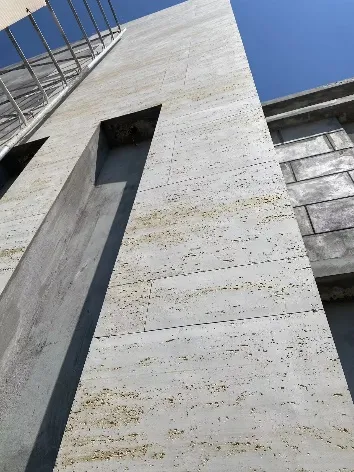
If MCM panels are so great, why not just order them from international suppliers? After all, some of the biggest names in building materials are based in Europe, Asia, or North America. Here's the reality: importing MCM panels (or any building material, for that matter) into Saudi Arabia comes with a host of logistical headaches that can turn a smooth project into a stressful, budget-busting ordeal.
Let's start with lead times. International suppliers typically require 8–12 weeks from order to delivery. That includes manufacturing time, shipping (often by sea, which is slow), customs clearance in Jeddah or Dammam ports, and then inland transport to the job site. But "typically" is the keyword here. Delays are common: a shipping container stuck in the Suez Canal, a customs inspection that drags on, or a sudden shortage of truck drivers to move goods from the port to Riyadh. For a construction project on a tight schedule, a 2-week delay in facade materials can have a domino effect—delaying interior work, pushing back handover dates, and even incurring penalty fees from clients.
Then there are the costs. International shipping isn't cheap, and when you add import duties (which can range from 5% to 15% for building materials), customs brokerage fees, and inland transport costs, the total price tag can jump by 20–30% compared to the original quote. And that's before you factor in currency fluctuations. A sudden rise in the US dollar against the Saudi riyal can make an already expensive order even costlier, with little warning or time to adjust.
Quality control is another issue. When materials are manufactured halfway around the world, inspecting them before shipment is difficult. If a batch of MCM panels arrives with defects—scratches, color inconsistencies, or improper bonding—fixing the problem means waiting for a replacement shipment, which could take another 8–12 weeks. By then, the project timeline is in tatters. Even minor issues, like panels that don't fit the specified dimensions, can lead to on-site delays as contractors scramble to adjust.
Finally, there's the lack of local expertise. International suppliers may not fully understand Saudi Arabia's unique building codes or climate requirements. For example, a panel that performs well in a temperate European climate might not hold up to Saudi's extreme heat. Without a local team to advise on product selection or installation best practices, contractors risk making costly mistakes.
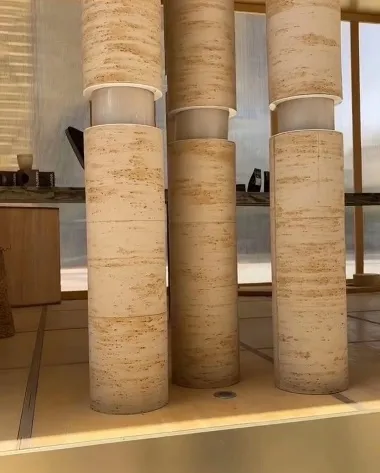
This is where localized mcm flexible cladding stone wall panel supplier services shine. A saudi arabia building materials supplier with a local presence isn't just a vendor—they're a partner invested in the success of your project. Here's how their logistics advantages transform the supply chain:
Local suppliers maintain warehouses in key Saudi cities—Riyadh, Jeddah, Dammam, maybe even Al Khobar or Madinah. That means popular MCM panel designs, colors, and sizes are already in stock, ready to ship. Need 500 square meters of beige MCM panels for a facade in Riyadh? A local supplier can have them delivered to your job site in 2–5 days. Even custom orders, which might require some manufacturing, can be fulfilled in 2–3 weeks, thanks to partnerships with regional production facilities. This proximity eliminates the guesswork of international shipping and turns "I need it yesterday" from a joke into a reality.
Take, for example, a mid-rise residential project in Jeddah. The contractor originally planned to import MCM panels from China, with a lead time of 10 weeks. But when the client requested a design change halfway through, the international supplier quoted another 8 weeks for the revised order. Panicking, the contractor switched to a local supplier, who had the new panels in stock and delivered them within 3 days. The project stayed on track, and the client was thrilled. That's the power of local inventory.
Local supply chains slash costs in ways that go beyond just avoiding shipping fees. Since the materials are already in Saudi Arabia, there are no import duties or customs brokerage fees. Inland transport is cheaper too—delivering from a Riyadh warehouse to a job site in the same city costs a fraction of shipping from Shanghai to Jeddah. Over the course of a large project, these savings can add up to hundreds of thousands of riyals, which can be reinvested in other areas like better finishes or upgraded amenities.
Plus, local suppliers often offer volume discounts for large orders, and since they're not dealing with currency fluctuations, their pricing is more stable. You won't get hit with unexpected surcharges because the dollar spiked overnight. What you quote is what you pay—no unpleasant surprises.
Local suppliers take quality control personally. Many have on-site quality assurance teams that inspect every batch of MCM panels before they leave the warehouse. If a panel is damaged, discolored, or doesn't meet specifications, it's flagged and replaced immediately—no waiting for a replacement from overseas. Some suppliers even offer pre-delivery inspections, where clients can visit the warehouse to check materials before shipment. This level of transparency builds trust and gives contractors peace of mind that what they ordered is exactly what they'll get.
What's more, local suppliers understand Saudi Arabia's climate and building codes inside out. They know which MCM panel thicknesses work best for high-rise facades in windy coastal areas like Jeddah, or which finishes resist sand abrasion in Riyadh's desert environment. They can recommend products that meet the Kingdom's strict fire safety standards (like Class A fire ratings) and help with documentation to ensure compliance with authorities like the Saudi Standards, Metrology and Quality Organization (SASO). This local expertise is invaluable—far more than an international supplier's generic product catalog.
Ever tried to get technical support from an international supplier at 3 p.m. Saudi time? Chances are, their offices are closed, or you're stuck on hold for hours. Local suppliers, on the other hand, offer responsive after-sales support. If a contractor has a question about installing MCM panels, or needs replacement parts for a damaged panel, they can pick up the phone and speak to a local representative—often within minutes. Some suppliers even send technicians to the job site to assist with installation or troubleshooting. This level of support minimizes downtime and ensures that projects stay on track, even when unexpected issues arise.
| Logistics Factor | Local MCM Panel Supplier | International MCM Panel Supplier |
|---|---|---|
| Lead Time (Standard Order) | 2–5 days | 8–12 weeks |
| Total Cost (Including Fees) | Base price + local transport (no import duties) | Base price + shipping + import duties + customs fees + inland transport (20–30% higher) |
| Quality Control Responsiveness | Same-day inspection; replacement within 2–3 days | Delayed by shipping; replacement takes 8–12 weeks |
| Climate/Code Expertise | Deep understanding of Saudi climate and SASO standards | Limited local knowledge; generic product recommendations |
| After-Sales Support | Local team; on-site assistance available | Remote support; time zone delays common |
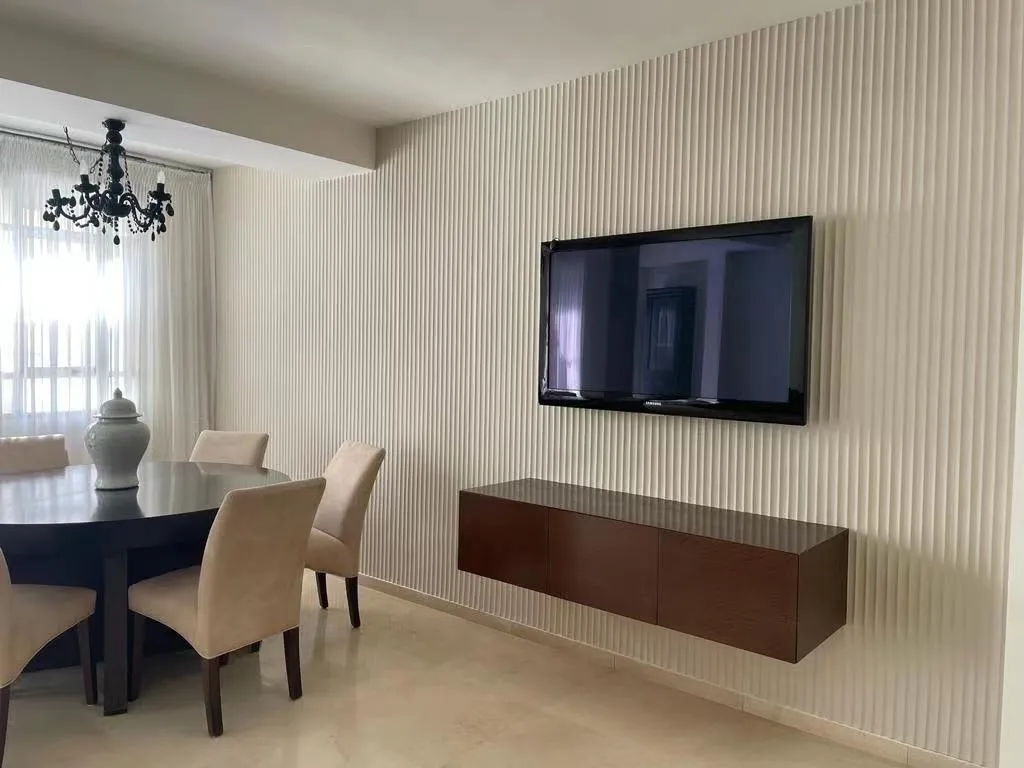
The client, a major Saudi developer, needed to complete the tower's facade within 12 months to meet a tenant move-in deadline. The original plan was to import MCM panels from a European supplier, with a quoted lead time of 10 weeks. However, after hearing horror stories from other contractors about port delays, the developer decided to switch to a local mcm flexible cladding stone wall panel supplier .
The Results:

Many local saudi arabia building materials supplier companies aren't just focused on MCM panels—they're one-stop architectural solution provider services. This means they offer a range of complementary products, from wall panels and flooring to pipes and fittings, all with the same localized logistics advantages. For a contractor managing a large project, this is a huge benefit. Instead of coordinating with 5–10 different suppliers (each with their own lead times and costs), they can source everything from a single partner. This streamlines communication, reduces administrative work, and ensures that all materials arrive in sync—no more waiting for flooring to start because wall panels are delayed, or vice versa.
For example, a hospital project might need not just MCM panels for the exterior but also Class A fireproof CPL inorganic boards for interior walls (to meet healthcare safety standards) and PVC pipes for plumbing. A one-stop supplier can deliver all these products with the same fast lead times and local support, making the project manager's job infinitely easier. It's this holistic approach that sets top local suppliers apart—they understand that construction is a team sport, and they're committed to being a reliable teammate.
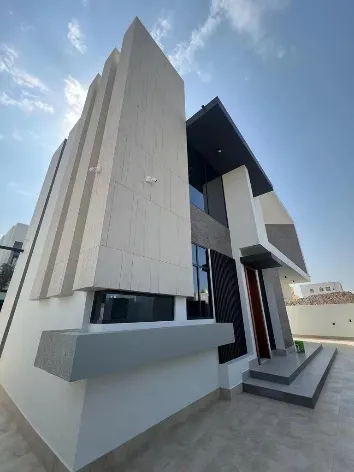
As Saudi Arabia continues to invest in Vision 2030—with mega-projects like NEOM, the Red Sea Project, and Qiddiya driving demand for construction—localized supply chains will only grow in importance. Developers and contractors are increasingly recognizing that "cheaper" international quotes often come with hidden costs (delays, quality issues, stress) that far outweigh the initial savings. Local mcm flexible cladding stone wall panel supplier services, with their focus on logistics efficiency, cost transparency, and quality, are becoming the gold standard.
For MCM panels specifically, the future looks bright. As architects push for more innovative, sustainable, and aesthetically striking facades, the demand for flexible, durable cladding solutions will rise. Local suppliers are responding by expanding their product lines—offering new colors, textures, and finishes—and investing in advanced manufacturing facilities within Saudi Arabia. This not only reduces lead times further but also creates local jobs and supports the Kingdom's goal of economic diversification.
In the fast-paced world of Saudi construction, every day counts. MCM flexible cladding stone wall panels offer the perfect combination of beauty, durability, and performance for modern buildings—but their true value is only realized when they're delivered on time, within budget, and backed by expert support. Localized mcm flexible cladding stone wall panel solutions check all these boxes, turning logistical challenges into opportunities for success.
Whether you're building a commercial tower in Riyadh, a residential complex in Jeddah, or a hospitality project on the Red Sea coast, choosing a local supplier isn't just a practical decision—it's a strategic one. It's about partnering with a team that understands your needs, shares your deadlines, and is invested in your project's success. In the end, that's what turns a good project into a great one.
Recommend Products











