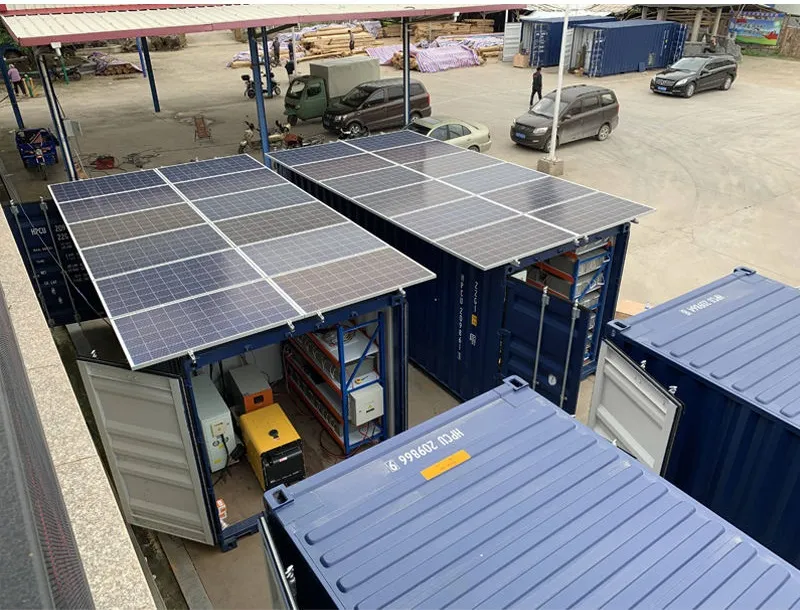
We've all seen those hefty traditional
solar panels weighing down rooftops - thick glass slabs that look like they could collapse weaker structures. But what if your roof can't bear that load? Maybe you've got an older home, a thin membrane roof, or just want to keep things easy and flexible. That's where today's lightweight
solar panels come into play. They're not just another tech trend; they're rapidly becoming a go-to solution for people who want clean energy without worrying about their roof cracking.
Redefining "Lightweight" for Solar Energy
When most folks hear "lightweight," they usually think of something physical - a feather pillow, maybe, or perhaps that tiny smartwatch on your wrist. But for
solar panels, it takes on a whole new meaning. Think of it like switching from a chunky brick phone to today's sleek smartphones. Modern lightweight
solar panels are the equivalent upgrade in renewable energy tech: they perform the same job without dragging your roof down physically or visually.
From Punching to Power: A Meaning Shift
Remember when lightweight was just a boxing category? That old-school understanding feels almost nostalgic now. Today's meaning has evolved far beyond physical weight alone. The concept now blends material innovation, practical functionality, and problem-solving ingenuity. Just like how smartphones became indispensable, lightweight
solar panels are transforming into essential solutions for real-world limitations.
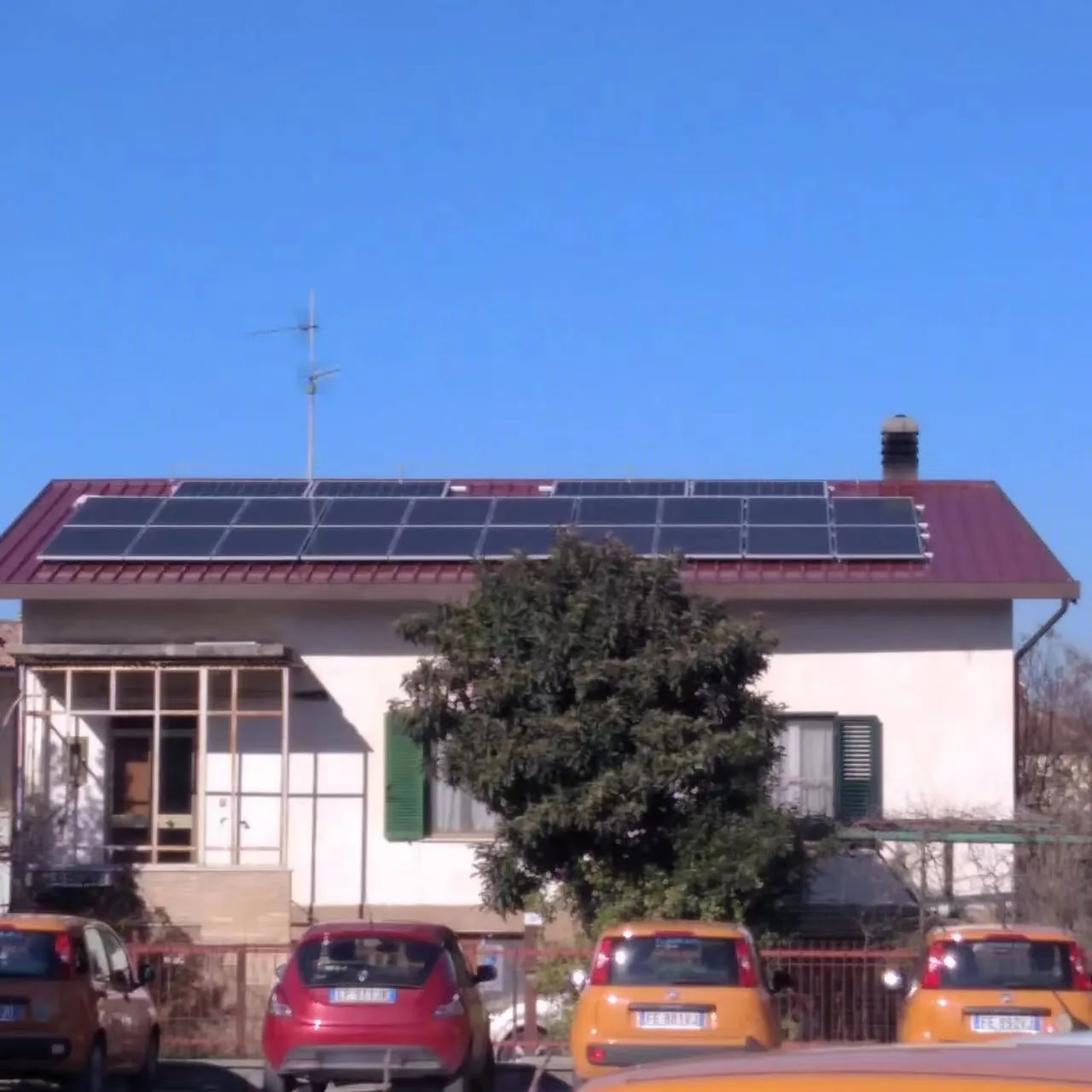
How Feather-Light Panels Actually Work
So how do engineers manage to lighten the load while maintaining performance? The secret lies in replacing those thick glass layers with high-performance polymers that are shockingly tough. Think of it like trading a bulky winter coat for a modern thermal layer - both keep you warm, but one does it without weighing you down. This approach lets the panels flex slightly during installation, eliminating the need for heavy mounting systems.
The Hidden Benefit: Easier Installation
Ask any solar installer what they dread, and they'll likely mention wrestling with hefty panels on steep roofs. Lightweight versions slash installation time and complexity - often requiring fewer people and less equipment. Picture trying to lift heavy furniture up a ladder versus carrying small, manageable boxes. The difference in effort and risk is enormous. This ease of installation isn't just convenient; it makes solar accessible for tricky roofs that traditional systems can't serve.
"The shift to lightweight solar feels like the move from bulky CRT monitors to sleek flatscreens. You get similar performance without needing to reinforce your desk." - Residential Solar Installer, San Diego
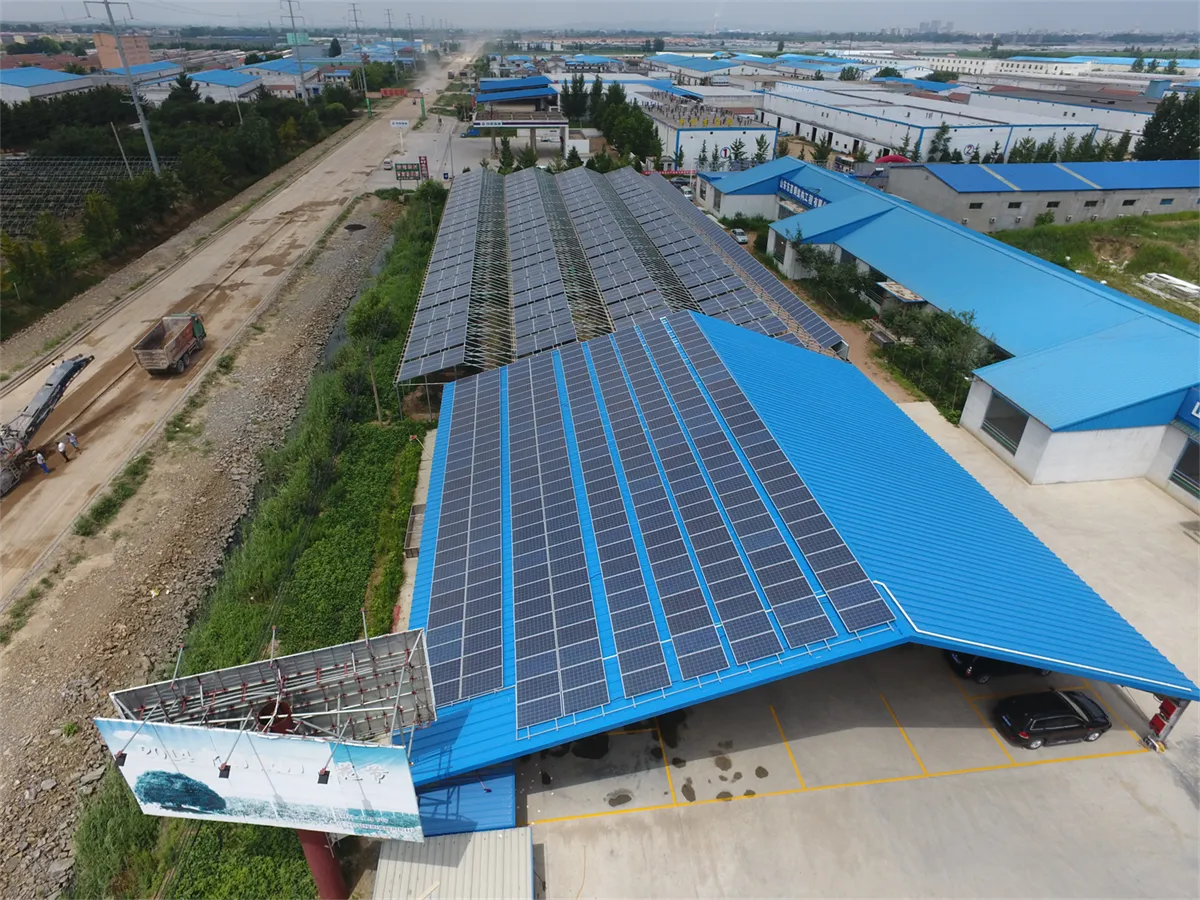
Why Roof Load Matters More Than You Think
Load capacity isn't just some abstract engineering term; it translates directly to dollars and peace of mind. Older homes, especially those built before modern building codes, often weren't designed to support heavy solar arrays. Even sturdy roofs degrade over time. Adding heavy panels without knowing the precise loading capacity could lead to catastrophic roof failures requiring expensive repairs that dwarf the cost of your solar investment.
Beyond Weight: Other Structural Stressors
When installing traditional heavy panels, two overlooked factors add to the load burden: the mounting hardware itself and snow accumulation. Mounting systems require drilling dozens of points deep into your rafters. Then when it snows, that snow settles between heavy panels, creating concentrated weight points that stress your roof. Lightweight systems distribute this weight more evenly and flexibly, potentially saving you from unseen structural damage.
Comparing Heavyweights vs. Lightweights
Traditional panels generally clock in at 40-50 pounds each. That might not sound extreme until you multiply it across 20+ panels. Suddenly you're adding over a thousand pounds to your roof! Lightweight alternatives typically weigh around 15-20 pounds each - a reduction of 50-60% that makes all the difference. What's remarkable is how manufacturers achieve this without sacrificing efficiency rates. Current models perform at 19-22% efficiency - nearly matching their bulkier cousins.
-
Energy Conversion:
No longer sacrificing efficiency for weight reduction
-
Material Durability:
Advanced polymers resist impacts from hail and debris
-
Heat Resilience:
Improved tolerance to thermal expansion and contraction
Real-World Installation Success Stories
Take Sarah from Portland: her 1920s bungalow couldn't handle conventional panels structurally. Contractors kept turning her away until she discovered lightweight panels. Now she harvests enough energy to cover 85% of her household needs without needing expensive structural reinforcements. Then there's Mike from Miami with a flat commercial membrane roof. Previously "unsuitable" for solar, he now hosts a 250-panel lightweight array that powers his restaurant.
Choosing Your Lightweight Solution
Selecting lightweight panels involves more than just comparing numbers. You'll want to think about roof access points - how will installers reach your roof without damaging structures? Consider warranty specifics: do they cover wind lift concerns? Discuss micro-inverter compatibility, which boosts flexibility compared to traditional string systems. Always insist on seeing independent certification of claimed weights and efficiencies.
Hidden Installation Costs to Avoid
Some companies promise cheap installation, then tack on fees for "special handling" of conventional panels. With lightweight options, the install process simplifies dramatically. Any quote should include removal routes for old panels decades from now. These can be unexpected costs with traditional systems when panels need to be lifted down intact - lightweight panels fold easier for removal.
Tomorrow's Featherlight Future
We're approaching an exciting inflection point where solar films may rival rigid panels in efficiency. Imagine spraying your roof with an invisible photovoltaic coating like sunblock! Others are integrating solar cells directly into roofing shingles. Future lightweight solutions might not even feel like installations - they'll become part of the roof itself. This could unlock solar potential for millions of challenging rooftops currently deemed unsuitable.
The concept of lightweight solar technology naturally fits into the broader category of
green and environmentally friendly building materials. As architects and builders increasingly prioritize sustainable construction methods, incorporating thin-film
solar panels that complement rather than compromise building integrity represents the future of responsible development. These innovations allow renewable energy to blend seamlessly into our living spaces without heavy environmental footprints.
Making the Choice: Is Lightweight Right For You?
Lightweight panels aren't a magic bullet solution for every situation. If you've got a new, reinforced concrete roof in Arizona, traditional panels might still win on pure performance-per-dollar. But for homes over 30 years old, historic buildings, coastal properties needing wind resilience, flat roofs, or complex rooflines - lightweight solutions offer accessibility that heavy panels can't match. Your local climate matters too; harsh winters mean considering snow loading, while hurricane zones require wind uplift resistance.
Three Key Questions to Ask
-
What existing structural reports say about my roof's weight limits?
-
How do winter/summer extremes affect material durability?
-
What recycling options exist for these panels in 25+ years?
Practical First Steps Forward
Start simple: Get a camera and photograph your roof from multiple angles. Look for existing issues like bowing, water stains, or damaged areas. Then contact a structural engineer for a roof assessment - many offer affordable walk-on inspections. Simultaneously request quotes from solar installers who specifically mention lightweight expertise in their portfolio. The cost difference between traditional and lightweight installations will surprise you positively; sometimes the simpler installation actually comes out cheaper overall despite slightly premium panels.
The transition to lightweight solar solutions represents more than just a technical shift; it's about adapting renewable energy to human realities rather than forcing architectures to conform to technology. As these featherlight panels continue improving, they make solar power truly accessible - not just an elite option for newly constructed mansions, but a feasible energy solution for ordinary homes with imperfect roofs. That inclusive potential may ultimately prove to be their most revolutionary quality as we work toward meaningful sustainability.