
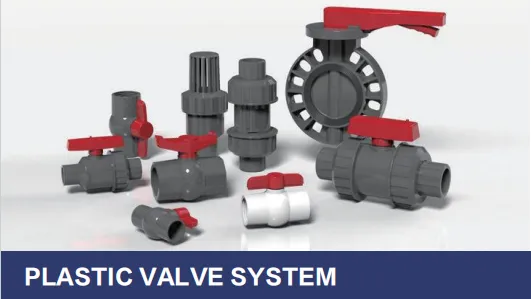
In the fast-paced world of construction and infrastructure, every detail matters. From the foundation of a skyscraper to the plumbing in a family home, the materials chosen can make or break a project's efficiency, cost, and long-term success. Among the unsung heroes of modern building materials are plastic valve system solutions, which have quietly revolutionized how we approach piping, plumbing, and fluid management. At the heart of their appeal? A game-changing feature: lightweight design. Far more than just a convenience, this characteristic has become a cornerstone of their popularity, driving innovation and adoption across residential, commercial, and industrial spaces. Let's dive into why lightweight plastic valve systems—paired with complementary solutions like upvc pipe solutions and ppr pipe and fitting solutions—are reshaping the industry.
For decades, metal—think cast iron, steel, and copper—reigned supreme in valve and piping systems. While these materials offered durability, they came with a significant downside: weight. A single metal valve could weigh 10–20 pounds, and a 10-foot steel pipe might tip the scales at 30 pounds or more. This heaviness created a cascade of challenges that builders, plumbers, and project managers grappled with daily.
Consider installation, for example. Lifting a 20-pound valve into place overhead or maneuvering a heavy steel pipe through tight ceiling spaces required multiple workers and often specialized equipment like cranes or hoists. Not only did this slow down project timelines, but it also increased labor costs. Transportation was another headache: hauling truckloads of metal pipes and valves meant higher fuel consumption, and the risk of damaging vehicles or roads during transit was ever-present. Even structural engineers had to account for the sheer weight of these materials, designing buildings and support systems with extra reinforcement to bear the load.
Then there was safety. Heavy materials are unforgiving—dropping a metal valve or pipe could lead to serious injuries, from crushed toes to back strains. For decades, the industry accepted these trade-offs as unavoidable. But as construction projects grew more complex and budgets tighter, the need for a lighter alternative became impossible to ignore.
Enter plastic valve system solutions. Over the past two decades, advancements in polymer science have transformed plastic from a niche material to a mainstream contender in construction and infrastructure. Modern plastic valves and pipes—made from materials like UPVC (unplasticized polyvinyl chloride), PPR (polypropylene random copolymer), and PVC-U—offer a remarkable combination of strength, durability, and lightness . A typical plastic valve, for instance, weighs just 2–5 pounds, and a 10-foot UPVC pipe might weigh as little as 8 pounds. This dramatic reduction in weight isn't just a numbers game; it's a paradigm shift that's redefining how projects are planned, executed, and maintained.
Today's plastic valve system suppliers don't just sell products—they offer holistic solutions tailored to the unique demands of residential, commercial, and industrial projects. Whether it's a high-rise apartment complex needing reliable plumbing or a factory requiring chemical-resistant piping, these solutions prioritize lightweight design without compromising on performance. Let's break down why this matters.
To understand the impact of lightweight plastic valve systems, let's compare them to traditional metal alternatives across key project metrics. The table below highlights the differences:
| Metric | Traditional Metal Valves/Pipes | Modern Plastic Valve System Solutions |
|---|---|---|
| Weight (per unit) | 10–30 lbs (valves/pipes) | 2–8 lbs (valves/pipes) |
| Installation Time | 2–3 workers, 4–6 hours (for a 50ft pipeline) | 1–2 workers, 1–2 hours (for a 50ft pipeline) |
| Transportation Cost (per ton) | $150–$250 (higher fuel, specialized vehicles) | $50–$100 (standard trucks, lower fuel use) |
| Structural Load on Buildings | High (requires reinforced supports) | Low (minimal structural reinforcement needed) |
| Safety Risk During Installation | High (risk of strains, crushed limbs) | Low (easy to handle, fewer accidents) |
Imagine a team of plumbers working on a 20-story residential building. In the past, installing metal pipes and valves on each floor would require coordinating heavy lifting equipment, closing off stairwells, and assigning multiple workers to each section. With lightweight plastic valve system solutions, the same team can carry pipes and valves by hand, navigate tight spaces like elevator shafts with ease, and complete installations in a fraction of the time. For example, a recent project in Riyadh using UPVC pipe solutions reported cutting plumbing installation time by 40% compared to a similar metal-based project nearby. This isn't just about speed—it's about reducing labor costs, minimizing project delays, and keeping teams productive.
Transporting construction materials is a major expense, especially for large-scale projects. Heavier materials mean fewer units per truck, more trips, and higher fuel consumption. A plastic valve system supplier can load 3–4 times more plastic valves and pipes onto a standard truck compared to metal equivalents. For a project requiring 1,000 valves, this could mean the difference between 10 truckloads (metal) and 3 truckloads (plastic). The savings add up quickly: lower fuel costs, fewer driver hours, and less wear and tear on vehicles. In one case study, a commercial building project in Jeddah using PPR pipe and fitting solutions reduced transportation costs by 35% simply by switching from metal to plastic materials.
Buildings and infrastructure are designed to bear specific loads. Heavy metal pipes and valves add unnecessary stress to walls, ceilings, and support beams, requiring engineers to overdesign structures to compensate. Lightweight plastic solutions eliminate this problem. For instance, in hospitals and schools—where safety and structural integrity are paramount—using lightweight Class A fireproof materials (though not our focus here) is critical, but even standard plastic valves and pipes reduce the burden on building frames. This flexibility allows architects to design more open, creative spaces without worrying about the weight of hidden infrastructure.
Construction sites are inherently risky, but heavy materials amplify that risk. A falling metal valve can cause serious injury, and repetitive lifting of heavy pipes leads to chronic back pain and muscle strains among workers. Lightweight plastic materials mitigate these dangers. A single worker can carry a 10-foot UPVC pipe without assistance, and plastic valves are easy to maneuver even in confined spaces. This not only protects workers but also reduces liability for contractors and project managers. It's a win-win for everyone involved.
Lightweight plastic valve system solutions aren't just a one-trick pony—they excel across a wide range of applications. Let's explore how they're making an impact in key sectors:
For homeowners and residential builders, lightweight materials translate to faster renovations, lower costs, and less disruption. Imagine remodeling a bathroom: with UPVC pipe solutions, plumbers can replace old, heavy metal pipes with lightweight alternatives in a day, rather than a week. Whole-house customization projects, which often involve reconfiguring plumbing layouts, benefit immensely from the flexibility of plastic pipes and valves. Homeowners also appreciate the reduced noise—plastic pipes dampen water flow sounds better than metal, making for quieter living spaces.
Commercial buildings like malls, offices, and hotels demand reliable, low-maintenance infrastructure. PPR pipe and fitting solutions are ideal here, as they're resistant to high temperatures and pressure, making them suitable for HVAC systems and hot water lines. A 50,000-square-foot office complex using plastic valve system solutions can save hundreds of thousands of dollars in installation and transportation costs alone. Plus, the lightweight design reduces the load on the building's structure, allowing for more open floor plans and higher ceilings—features that tenants love.
Industrial settings, from factories to water treatment plants, require materials that can withstand harsh conditions—chemicals, high pressure, and constant use. Modern plastic valves and pipes rise to the challenge. For example, PVC-U pressure piping systems (a type of plastic valve solution) are widely used in water supply networks because they're corrosion-resistant and lightweight, making them easy to install in remote or hard-to-reach areas. In agriculture, PVC well casing and screen pipes—lightweight yet strong—are revolutionizing irrigation systems, allowing farmers to access groundwater with minimal effort.
While lightweight design is the star of the show, plastic valve system solutions offer other advantages that make them even more appealing:
Metal pipes and valves are prone to rust and corrosion, especially in humid or chemical-rich environments. Plastic solutions, like UPVC and PPR, are inherently resistant to rust, chemicals, and UV rays. This means they last longer—often 50+ years—with minimal maintenance. For coastal areas or industrial sites with corrosive materials, this durability is a game-changer.
Lightweight materials have a smaller carbon footprint. Producing plastic valves and pipes requires less energy than metal, and their lighter weight reduces transportation emissions. Many plastics used in these solutions, such as UPVC and PPR, are also recyclable, aligning with global efforts to reduce waste. For builders aiming for green certifications like LEED, plastic valve system solutions are an easy choice.
While the upfront cost of plastic valves and pipes may be similar to metal, the long-term savings are substantial. Lower installation labor, reduced transportation costs, minimal maintenance, and longer lifespans mean plastic solutions often pay for themselves within 2–3 years. A study by the Saudi Building Materials Association found that projects using plastic valve system solutions had 25% lower total lifecycle costs compared to metal-based projects.
Despite their many benefits, some still doubt whether plastic can match metal's strength. Let's set the record straight: modern plastic valve system solutions are engineered to meet rigorous industry standards. For example:
In short, plastic isn't just "good enough"—it's often better than metal for the majority of plumbing and piping needs. As a leading plastic valve system supplier once put it: "We don't sell lightweight materials; we sell lightweight materials that outperform the alternatives."
As the construction industry continues to evolve, lightweight plastic valve system solutions are poised to play an even bigger role. With urbanization driving demand for faster, cheaper, and greener building methods, these solutions offer a path forward. Innovations like improved polymer blends, smart valves with sensors, and 3D-printed plastic components are already on the horizon, promising to make plastic systems even more versatile and efficient.
Whether it's a small home renovation or a mega-infrastructure project, the message is clear: lightweight design isn't just an advantage—it's a necessity. Plastic valve system solutions, paired with complementary products like UPVC pipe solutions and PPR pipe and fitting solutions, are leading the charge, proving that sometimes, the best things really do come in light packages.
Lightweight design has transformed plastic valve system solutions from a niche option to an industry standard. By prioritizing weight reduction without sacrificing strength, durability, or performance, these solutions are redefining efficiency in construction, infrastructure, and beyond. From easier installation and lower transportation costs to improved safety and sustainability, the benefits are clear.
For builders, contractors, and homeowners, the choice is simple: embrace lightweight plastic valve system solutions, and build better, faster, and smarter. The future of construction isn't heavy—it's light, and it's here to stay.
Recommend Products












