

Let's set the scene: You're standing on the construction site of a 20-story residential building, blueprint in hand. The architect's vision is bold—a façade that mimics the rugged beauty of natural granite, giving the building a timeless, high-end look. But there's a problem. The structural engineer just pulled you aside, (brow furrowed), pointing out that the traditional granite slabs you planned to use weigh nearly 30 kg per square meter. Multiply that by the building's 5,000 square meter façade, and you're looking at an additional 150 tons of weight straining the building's foundation, beams, and support structures. "We might need to reinforce the entire frame," he says, "and that's going to add months to the timeline and hundreds of thousands to the budget."
Sound familiar? For architects, builders, and developers across Saudi Arabia and beyond, this scenario is all too common. The desire for striking, durable building materials often clashes with the practical realities of structural load. But what if there was a material that offered the aesthetic appeal of natural stone, the durability required for commercial and residential spaces, and—crucially—a fraction of the weight? Enter MCM flexible cladding stone wall panels: the unsung hero of modern architectural façade solutions.
First things first: Let's demystify the acronym. MCM stands for "Mineral Composite Material," a cutting-edge building material that's taking the construction world by storm. At its core, MCM is a blend of natural minerals (like marble dust or stone aggregates), high-performance polymers, and reinforcing fibers—all bonded together through a specialized manufacturing process. The result? A panel that's flexible, ultra-lightweight, and designed to mimic the look and texture of natural stone, wood, or even concrete.
But don't let the "composite" label fool you. MCM panels are engineered to be tough. Unlike flimsy vinyl cladding or thin veneers, these panels are built to withstand harsh weather, UV radiation, and the wear and tear of high-traffic commercial spaces. And here's the kicker: Most MCM flexible cladding stone wall panels weigh in at just 3–5 kg per square meter. That's 80–90% lighter than traditional granite, concrete, or brick cladding. Let that sink in: A material that looks like stone but weighs about as much as a large textbook per square meter.
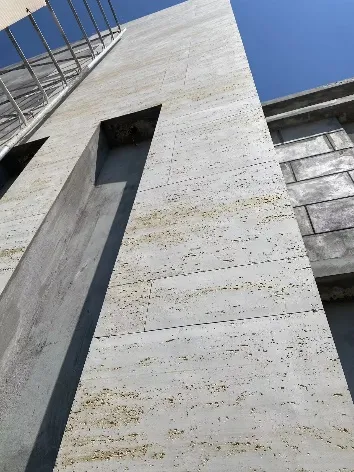
To understand why MCM's lightweight nature is such a game-changer, let's talk about structural load. Every building has a maximum weight it can safely support, determined by its design, materials, and foundation. When you add heavy cladding materials to the mix, you're not just adding weight—you're increasing the stress on every part of the building, from the concrete footings up to the roof trusses.
Think of it like packing a suitcase. If you overpack, the handle might snap, the zipper might break, or the wheels might give out. Similarly, a building overloaded with heavy cladding can experience:
MCM panels eliminate these issues by slashing the weight burden. Let's go back to our earlier example: 5,000 square meters of traditional granite would add 150 tons of weight. With MCM panels at 4 kg/m², that same area adds just 20 tons—a reduction of 130 tons. That's the equivalent of removing 26 African elephants from the building's structural load. Suddenly, the need for expensive reinforcements vanishes. The foundation can stay as designed, the beams remain standard, and the architect's original vision—those sweeping overhangs, that intricate façade pattern—becomes achievable.
Fun fact: In a recent project in Riyadh, a commercial building materials supplier swapped traditional limestone cladding for MCM panels, reducing the façade weight by 120 tons. This not only saved the developer $400,000 in structural reinforcements but also shaved 6 weeks off the construction timeline. "We could install 300 square meters of MCM in a day with a small crew," the site foreman noted. "With limestone, that same area would take 3 days and twice as many workers."
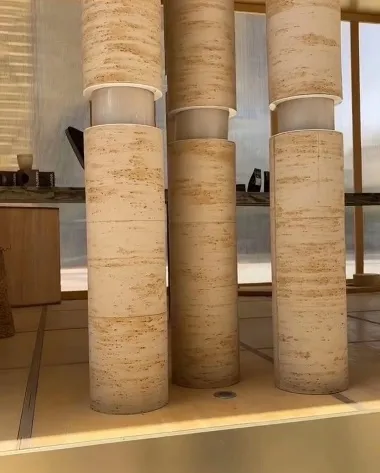
While reducing structural load is MCM's headline benefit, it's far from the only one. Let's dive into why these panels are becoming the go-to choice for residential building materials suppliers, commercial developers, and even those working on specialized projects like hospitals and schools.
Anyone who's worked with traditional stone cladding knows the drill: Heavy panels require cranes, specialized lifting equipment, and teams of workers to maneuver into place. MCM panels, by contrast, are light enough to be carried by two people. This makes installation dramatically faster and more cost-effective. In fact, many contractors report installing MCM panels 3–4 times faster than traditional stone. For a residential building materials supplier, this means happier clients, shorter project timelines, and the ability to take on more work without sacrificing quality.
Flexibility is another key advantage here. MCM panels bend slightly, allowing them to conform to curved surfaces, arches, or irregular wall shapes that would be impossible with rigid granite or concrete. Imagine cladding a circular tower or a (wave-shaped) commercial façade—with MCM, it's not just possible; it's straightforward.
You might be thinking: "If they're that light, they must be flimsy, right?" Wrong. MCM panels are engineered to be tough as nails. They're resistant to moisture, mold, and mildew—critical in Saudi Arabia's humid coastal areas or during rainy seasons. They're also fire-resistant (many meet Class A fire ratings, making them suitable for hospitals and schools, though that's a topic for another day) and UV-stable, so they won't fade or discolor under the harsh desert sun. In independent tests, MCM panels have withstood extreme temperatures (from -40°C to 80°C), high winds, and even impact from hail and debris—proving they're more than capable of handling the demands of both residential and commercial spaces.
Here's where MCM truly shines for architects: It's a chameleon. Want the look of polished marble for a luxury hotel lobby? MCM can do that. Craving the rustic charm of weathered sandstone for a residential villa? MCM has you covered. How about a sleek, modern façade that mimics black granite? Yep, MCM can replicate that too. Thanks to advanced printing and texturing techniques, MCM panels offer endless design possibilities—all without the weight penalty of the real thing.
And because they're lightweight, MCM panels open up new architectural horizons. Think taller buildings with more glass and open spaces, since the reduced cladding weight allows for slimmer support structures. Or retrofits of older buildings, where adding heavy stone cladding would be impossible due to outdated structural systems. In Jeddah, a 1970s office building was recently renovated with MCM panels, transforming its drab concrete exterior into a modern, energy-efficient façade—all without compromising the building's original structure.
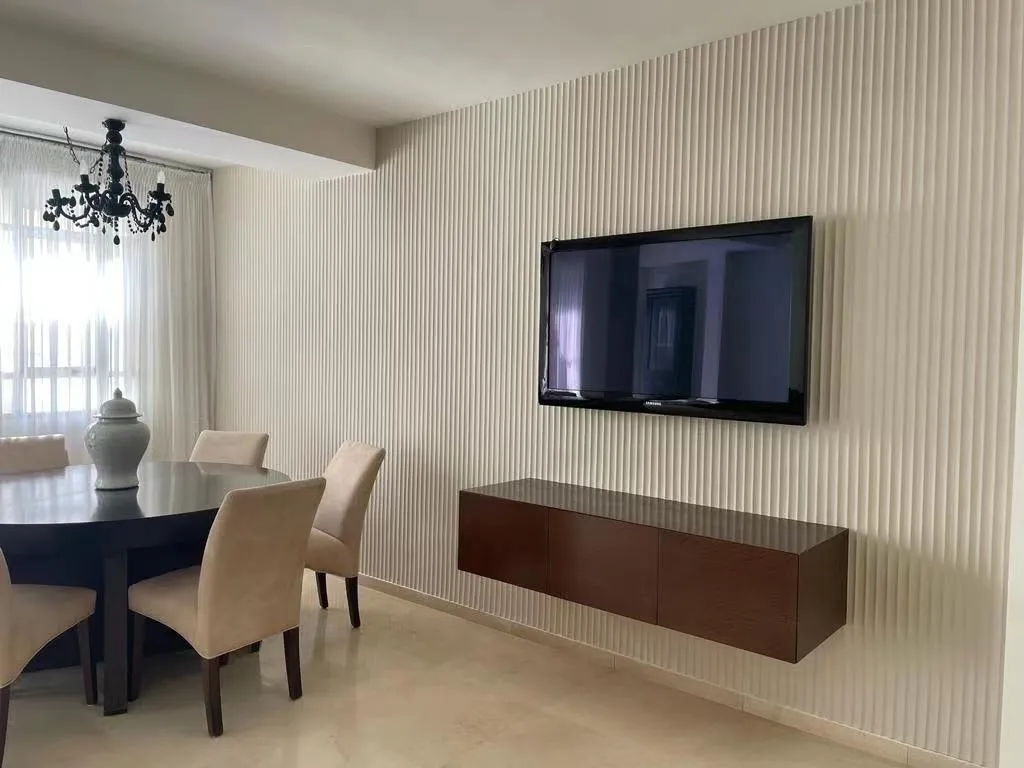
Still not convinced? Let's put MCM flexible cladding stone wall panels head-to-head with some of the most common traditional cladding materials. The results might surprise you.
| Material | Weight (kg/m²) | Installation Time (per 100 m²) | Structural Load (per 100 m²) | Durability (Expected Lifespan) | Cost (Estimated, SAR/m²) |
|---|---|---|---|---|---|
| MCM Flexible Cladding Stone Wall Panels | 3–5 | 1–2 days | 300–500 kg | 25–30 years | 180–250 |
| Natural Granite | 25–30 | 4–5 days | 2,500–3,000 kg | 50+ years (with maintenance) | 450–600 |
| Concrete Cladding | 20–25 | 3–4 days | 2,000–2,500 kg | 30–40 years | 280–350 |
| Brick Veneer | 18–22 | 5–6 days | 1,800–2,200 kg | 40–50 years | 220–280 |
As the table shows, MCM panels outperform traditional materials in nearly every category—from installation speed to structural load to cost. While natural granite may have a longer lifespan, the upfront savings in structural work, labor, and installation time often make MCM the more economical choice over the project's lifetime.

Okay, so MCM panels sound like a no-brainer—but here's the catch: Not all MCM panels are created equal. The market is flooded with low-quality imitations that cut corners on materials and manufacturing, leading to panels that crack, fade, or delaminate after just a few years. That's why choosing the right mcm flexible cladding stone wall panel supplier is just as important as choosing the material itself.
A reputable supplier doesn't just sell panels—they offer mcm flexible cladding stone wall panel solutions. That means providing technical support to help you select the right panel thickness and finish for your project, offering custom color matching to bring your design to life, and ensuring on-time delivery to keep your construction schedule on track. They'll also stand behind their products with warranties (look for 10–15 year warranties on material performance) and have a track record of successful projects in Saudi Arabia's unique climate.
Take, for example, a recent project by a leading residential building materials supplier in Dammam. They partnered with an MCM supplier that offered not just panels but also on-site installation training and a dedicated project manager. The result? A 100-unit apartment complex with a stunning sandstone-like façade, completed 3 weeks ahead of schedule and under budget. "The supplier's support made all the difference," the developer noted. "They helped us avoid common pitfalls and ensured the panels were installed perfectly the first time."
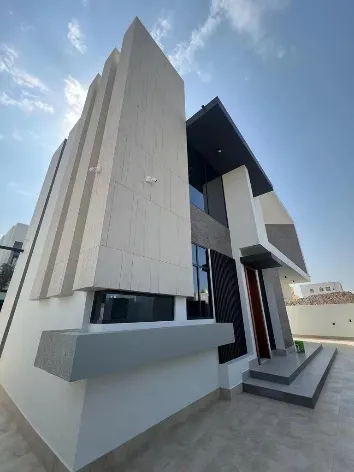
MCM flexible cladding stone wall panels aren't a one-trick pony. Their versatility makes them suitable for a wide range of projects, from residential villas to sprawling commercial complexes. Let's take a closer look at where they're making the biggest impact:
For homeowners and developers, MCM panels offer a way to elevate a property's curb appeal without breaking the bank. Imagine a row of townhouses with façades that look like expensive limestone, or a luxury villa with a stone-clad exterior that doesn't require reinforcing the foundation. MCM panels also work beautifully for accent walls, garden walls, or even pool surrounds—adding texture and style without the weight of natural stone.
From shopping malls and office towers to hotels and restaurants, commercial buildings demand materials that are durable, low-maintenance, and visually striking. MCM panels check all three boxes. Their lightweight nature is especially valuable for high-rise commercial buildings, where every ton of extra weight adds to construction costs. And because they're easy to clean and resistant to stains, MCM panels keep commercial façades looking fresh for years—even in busy, high-traffic areas.
For iconic buildings that aim to stand out, MCM panels are a dream come true. Their flexibility allows for bold, geometric designs, while their lightweight nature makes complex shapes and cantilevers possible. In Riyadh's King Abdullah Financial District, several skyscrapers have used MCM panels to create dynamic, light-catching façades that change appearance with the sun—proving that sustainability and beauty can go hand in hand.
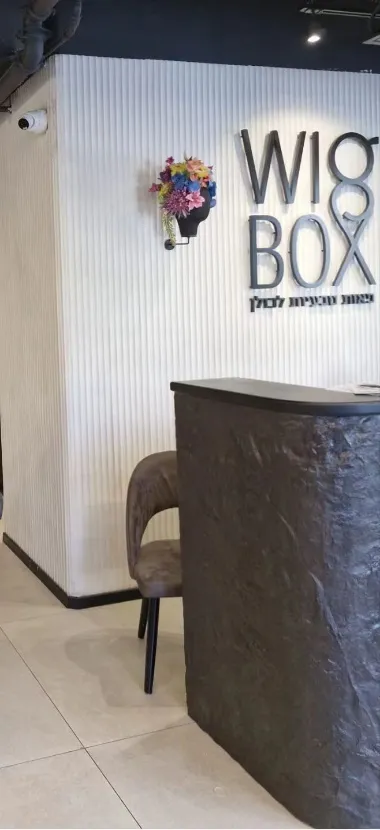
As construction techniques evolve and the demand for sustainable, cost-effective building materials grows, MCM flexible cladding stone wall panels are poised to become a staple in the industry. Their ability to reduce structural load, cut costs, and unlock design possibilities makes them more than just a trend—they're a paradigm shift in how we think about building exteriors.
So, the next time you're faced with that all-too-familiar dilemma—choosing between beauty and practicality—remember: With MCM panels, you don't have to choose. You can have the stone-like elegance, the durability, and the peace of mind that comes with a lightweight, structurally sound solution. After all, why carry the weight of the past when you can build for the future?
Whether you're an architect designing your next masterpiece, a builder racing to meet a deadline, or a developer looking to maximize value, MCM flexible cladding stone wall panels offer a simple, powerful solution: less weight, more possibility. And in the world of construction, that's a game-changer.
Recommend Products











