
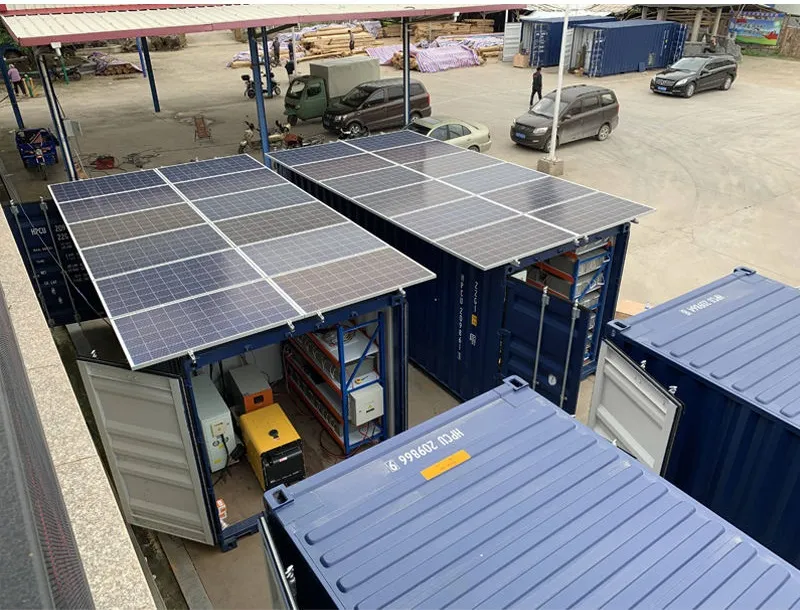
Picture this: You've installed that solar-powered electric fence around your pasture - a perfect marriage of modern technology and natural energy. It keeps your livestock safe while harnessing clean power from the sun. But then... a thunderstorm rolls in. One lightning strike later, your fence is fried, your investment is smoking, and your animals could be wandering onto dangerous roads.
This isn't just hypothetical. Statistics show that up to 26% of photovoltaic system damage happens because of lightning strikes. For fence systems in open pastures? That number climbs even higher.
Let me walk you through why lightning protection isn't just an add-on but a fundamental pillar for any solar-powered fencing system. Whether you're protecting crops from deer or keeping cattle in designated areas, that psychological barrier electric fences create only works when the system is actually operational.
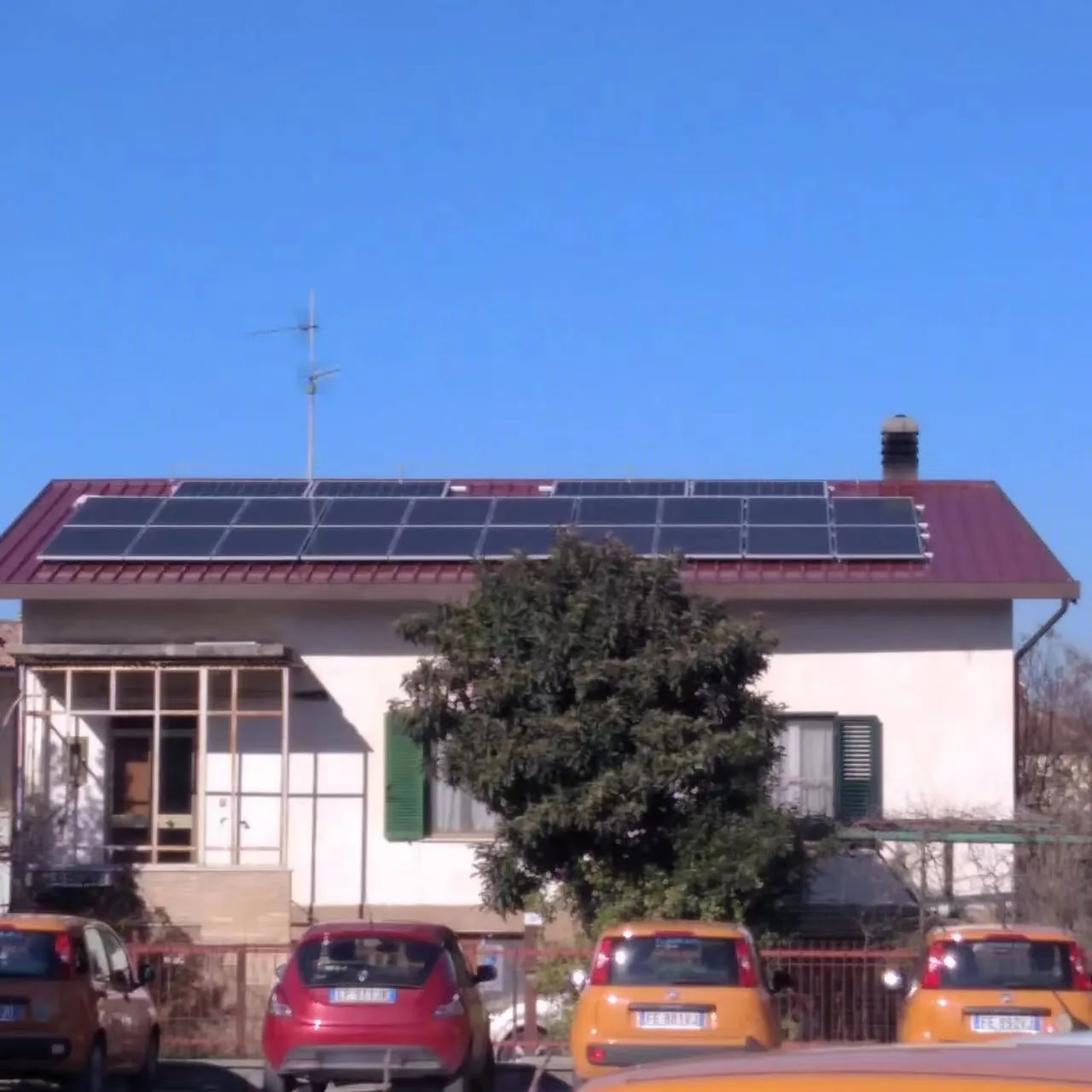
Traditional fencing approaches simply don't cut it when lightning enters the equation. Here's what most people don't consider:
Lightning doesn't just cause damage through direct hits. Even strikes hundreds of feet away can induce dangerous transients - electrical surges that travel through your fencing like an invisible tsunami. Your energizer, solar controller, and even the wiring between panels become entry points for destruction.
Those little diodes in your solar panels? Research shows they're lightning's favorite breakfast. When surges hit, they're often the first components to fail, creating a chain reaction that travels straight to your battery bank and control systems. Once these fail, that psychological barrier for animals disappears faster than you can say "stray heifer."
One farmer told me: "After losing my third energizer unit in two seasons, I realized I wasn't just battling wildlife - I was fighting Zeus himself." We can do better than just replacing fried components season after season.
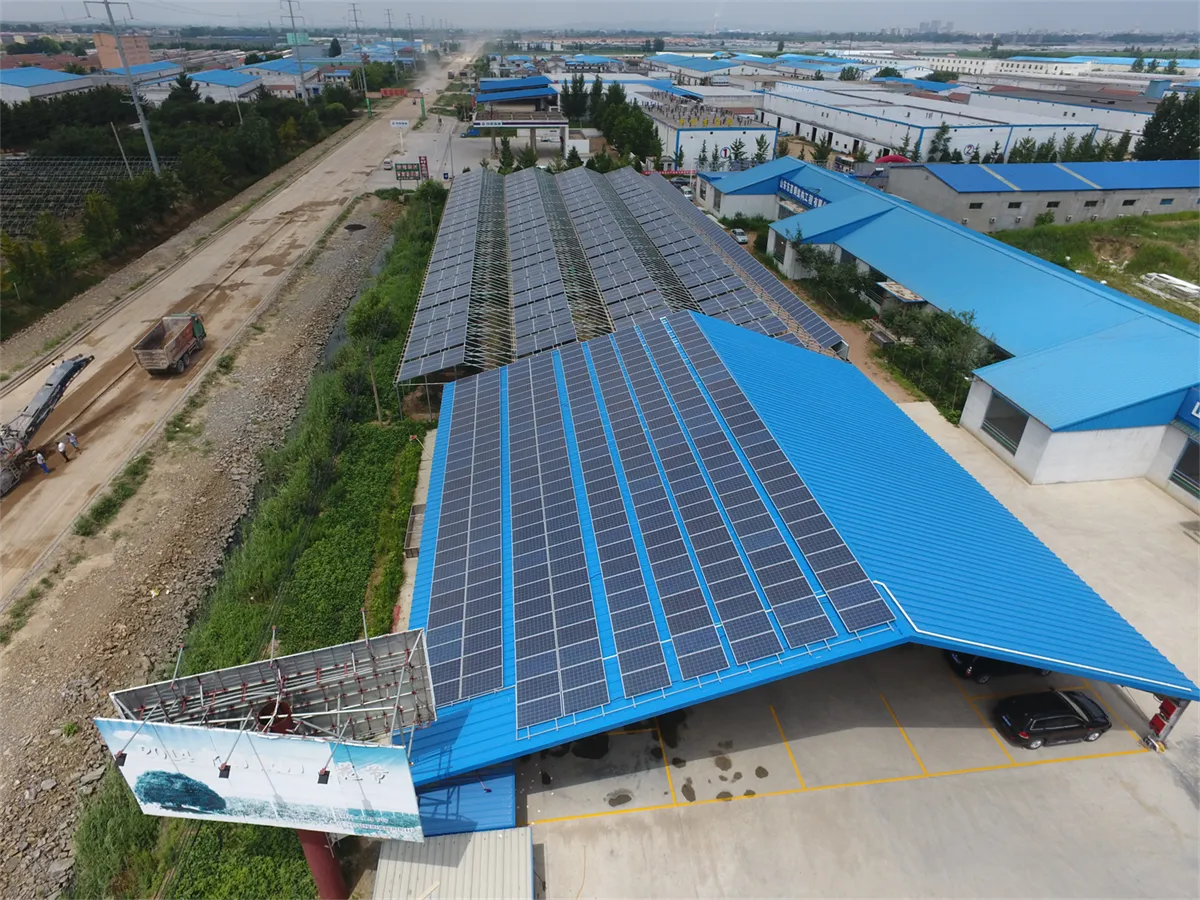
Let's break down each component with protection built-in from the ground up:
Those steel support beams aren't just for holding panels - they're your first lightning attractors. Instead of fighting this, we channel it:
This is where most systems fall short. Your DC cables need:
Remember that Joules rating we discussed earlier? That becomes critical here. Your SPDs should handle at least 10kJ per fence segment.
Your energizer and charge controllers need fortress-level protection:
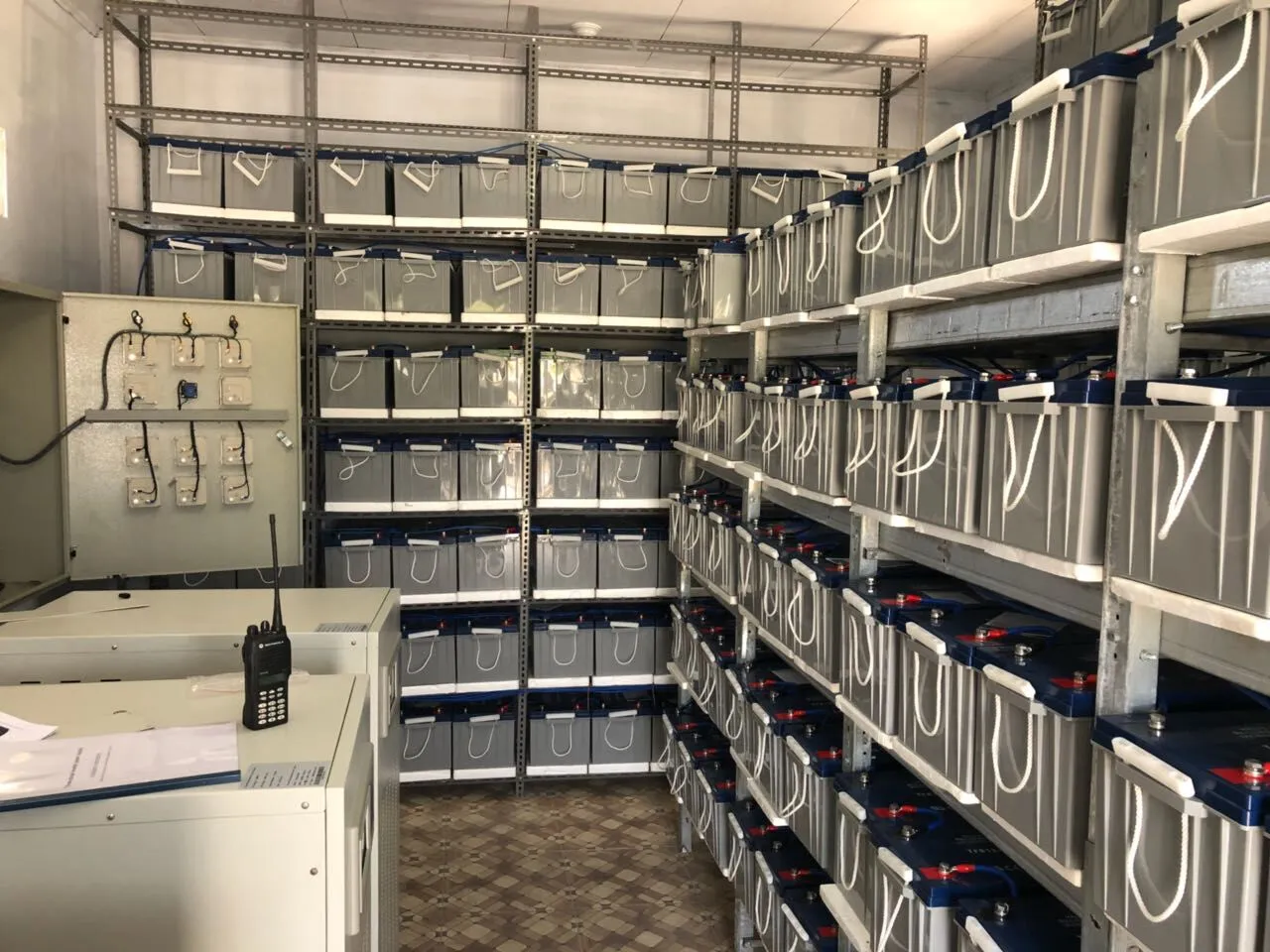
All these design principles fall apart with sloppy execution. Here are critical field insights:
Grounding Isn't Grounding
That "quick ground rod" you drove? Probably useless. Effective earthing requires:
The Maintenance Myth
"Set and forget" is a recipe for disaster. Your weekly ritual should include:
The golden rule? Always disconnect controllers during severe electrical storms. That 10-second effort could save you thousands in replacements.
Beyond just avoiding damage, consider these operational benefits:
A reliable fence trains animals better than intermittent shocks. Cattle and deer quickly learn consistent boundaries when they repeatedly encounter that memorable but harmless pulse during boundary testing.
Surprisingly, lightning-protected systems run cleaner in three ways:
As one rancher using this approach noted: "My fence hasn't missed a pulse in three storm seasons. Not only did I stop replacing components, but my fencing costs dropped 40% annually."
Implementing robust lightning protection transforms your solar fence from a fragile gadget to an resilient infrastructure piece. Remember these pillars:
This isn't just about gear - it's about peace of mind. When night falls and lightning flashes on the horizon, you should rest easy knowing your animals remain safely contained by a system designed to weather nature's fiercest electrical storms.
As solar fence technology continues evolving through distributed solar power systems , the same principles apply. Whether you're protecting a small vegetable patch or a thousand-acre ranch, intelligent lightning hardening separates temporary solutions from permanent installations.
Recommend Products












