

In the world of modern construction, where sustainability is no longer a buzzword but a necessity, the race to build greener, more efficient spaces has become a defining mission for architects, developers, and builders alike. At the heart of this movement lies LEED certification—a globally recognized symbol of excellence in green building. But achieving LEED isn't just about checking boxes; it's about choosing materials that align with both environmental responsibility and long-term performance. For many forward-thinking projects, the answer has come in the form of MCM flexible cladding stone wall panel solutions—a game-changer in architectural façade design that marries aesthetics, durability, and sustainability. Let's dive into how this innovative material is transforming LEED-certified projects, and why top residential and commercial building materials suppliers are making it a cornerstone of their offerings.
Before we explore the role of MCM flexible cladding, let's take a moment to unpack why LEED matters. Developed by the U.S. Green Building Council (USGBC), LEED (Leadership in Energy and Environmental Design) evaluates buildings based on criteria like energy efficiency, water conservation, indoor air quality, and sustainable material use. Projects earn points across these categories, with certifications ranging from Certified to Silver, Gold, and the coveted Platinum. For developers, LEED isn't just a badge of honor—it translates to lower operating costs, higher property values, and a competitive edge in a market where tenants and buyers increasingly prioritize sustainability.
But here's the catch: achieving those LEED points often hinges on the materials selected. Traditional building materials, while familiar, can fall short in areas like recycled content, embodied carbon, or durability. This is where specialized suppliers—those focused on innovative, eco-friendly solutions—step in. A commercial building materials supplier that offers MCM flexible cladding stone wall panel solutions, for example, isn't just selling a product; they're providing a pathway to LEED credits that can make or break a project's certification goals.
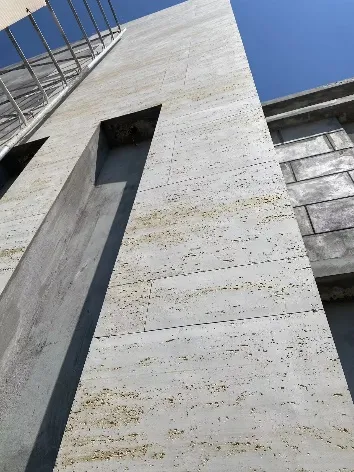
So, what exactly is MCM flexible cladding, and why is it becoming a go-to for LEED projects? MCM, or Mineral Composite Material, is a lightweight, versatile cladding option made by blending natural stone aggregates (like marble, granite, or quartz) with a polymer resin binder. The result? A panel that mimics the look and feel of natural stone but with a host of advantages that traditional materials can't match—especially when it comes to sustainability.
Let's break down its key benefits for LEED certification:
For a residential building materials supplier or commercial building materials supplier, offering MCM flexible cladding stone wall panel solutions isn't just about keeping up with trends—it's about empowering clients to build sustainably without sacrificing style. And as we'll see in the case studies below, this combination is proving irresistible for LEED-focused projects.
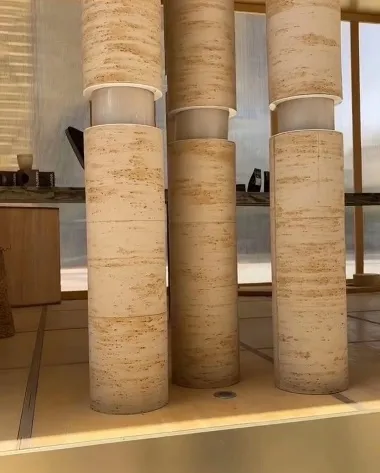
GreenHaven Residences, a 12-story residential complex in Riyadh, Saudi Arabia, set out to redefine urban living with a focus on sustainability. Developed by EcoLiving Developers, the project aimed for LEED Gold certification, with goals to reduce energy use by 30% and water consumption by 40% compared to baseline buildings. A key challenge? Creating an exterior that reflected the region's cultural love for natural stone while staying true to green building principles.
The design team initially considered traditional granite stone cladding—a popular choice in Saudi Arabia for its luxurious appearance. However, they quickly hit a snag: natural granite is heavy (increasing structural costs), requires extensive quarrying (high embodied carbon), and often results in waste during installation. "We needed something that looked like stone but performed like a sustainable material," explains Amal Al-Mansoori, lead architect at EcoLiving. "That's when we connected with a local MCM flexible cladding stone wall panel supplier."
The supplier recommended MCM panels with a finish mimicking Saudi granite, made with 65% recycled stone aggregate. The panels were lightweight enough to reduce the building's structural steel requirements by 15%, cutting both material costs and embodied carbon. Their flexibility allowed the team to implement a curved façade design that reduced wind resistance (boosting energy efficiency) and created shaded balconies—critical for Riyadh's hot climate.
Thanks to the MCM cladding, GreenHaven Residences scored points in multiple LEED categories:
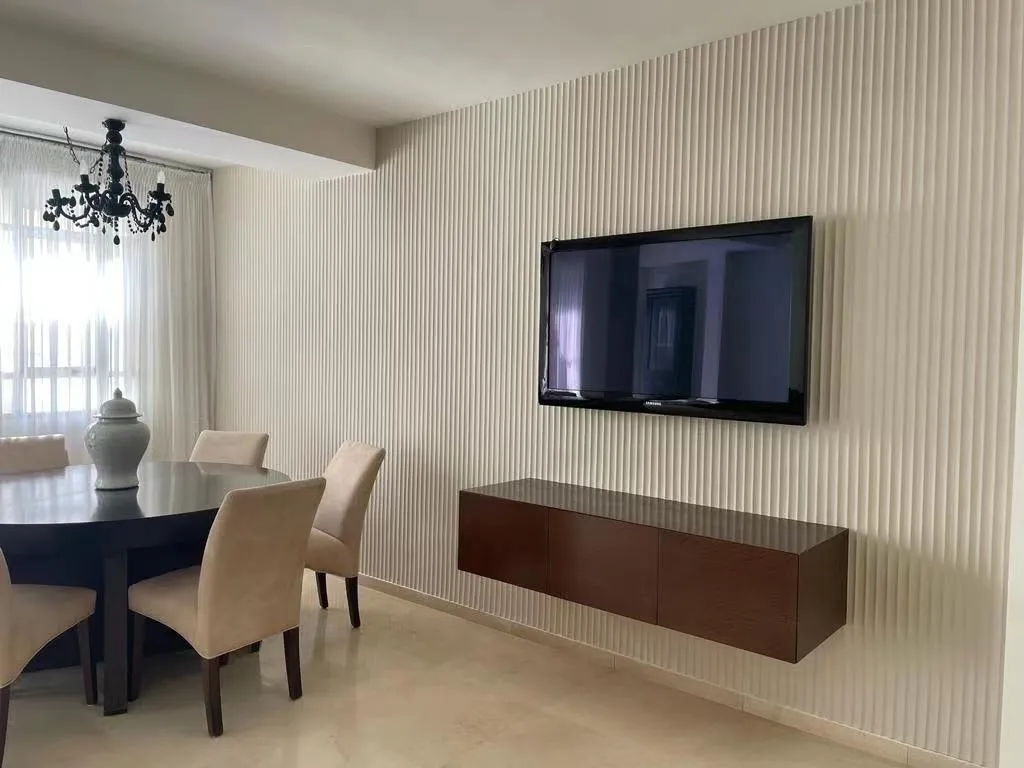
Skyline Plaza, a 30-story commercial office tower in Dubai's Business Bay, aimed to be the city's first LEED Platinum-certified building focused on tenant well-being. Developer GlobalWorkspaces wanted a façade that would not only reduce energy use but also enhance indoor air quality and create a visually striking landmark.
The team explored several options, including porcelain slab tiles and PU stone panels. While porcelain is durable, it's heavy and lacks insulation. PU stone, though lightweight, raised concerns about long-term UV resistance in Dubai's intense sun. That's when their commercial building materials supplier introduced them to MCM flexible cladding stone wall panel solutions with a specialized UV-resistant coating.
Skyline Plaza's façade combines MCM panels with integrated solar shading fins, creating a dynamic, energy-efficient exterior. The MCM panels, sourced from a supplier with a focus on architectural façade solutions, were chosen for their ability to be printed with custom patterns—mimicking the look of Dubai's iconic desert stone formations. The panels' flexibility allowed for seamless integration with the shading fins, reducing air leakage and improving the building's thermal performance.
Indoor air quality was a top priority for LEED Platinum, and MCM delivered here too. Unlike some cladding materials that off-gas volatile organic compounds (VOCs), MCM panels are low-VOC and mold-resistant, contributing to LEED's Indoor Environmental Quality (EQ) credits. Tenants reported higher satisfaction with natural light and temperature consistency, leading to a 20% increase in lease inquiries compared to neighboring non-LEED buildings.
Skyline Plaza earned LEED Platinum in 2023, with MCM cladding playing a key role in credits like:

To better understand why MCM flexible cladding is becoming a favorite for LEED projects, let's compare it to other popular cladding options. The table below, compiled from data provided by leading building materials suppliers, highlights key factors that matter for LEED certification:
| Material | Sustainability Features | LEED Credits Typically Contributed | Installation Flexibility | Long-Term Cost-Effectiveness |
|---|---|---|---|---|
| MCM Flexible Cladding | High recycled content (50-70%), lightweight (reduces embodied carbon), recyclable at end-of-life | MR Credit 4 (Recycled Content), EA Credit 1 (Energy Efficiency), MR Credit 3 (Waste Reduction) | Flexible; can bend to curves and complex shapes with minimal waste | Lower installation and maintenance costs; 50-year lifespan |
| Natural Granite Stone | Low recycled content (0-5%), high embodied carbon from quarrying/transport | Limited; may contribute to MR Credit 1 (Life-Cycle Impact) but few others | Rigid; requires custom cutting (high waste); heavy (needs structural reinforcement) | High upfront costs; prone to cracking; requires periodic sealing |
| Porcelain Slab Tiles | Moderate recycled content (10-15%), durable but heavy | MR Credit 3 (Waste Reduction) if recycled content is high | Brittle; limited to flat or slightly curved surfaces | High upfront costs; chipping risk; moderate maintenance |
| PU Stone Wall Panels | Lightweight, but made from non-recyclable polyurethane (concerns about end-of-life disposal) | EA Credit 1 (Energy Efficiency) due to insulation, but limited MR credits | Flexible but less durable than MCM; may warp in extreme heat | Low upfront costs; shorter lifespan (15-20 years); high replacement costs |
The data speaks for itself: MCM flexible cladding consistently outperforms traditional options in sustainability, flexibility, and long-term value—making it a standout choice for LEED-certified projects.
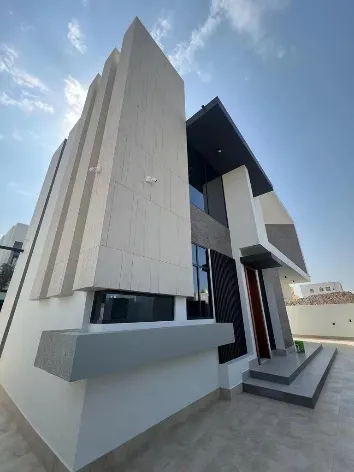
Behind every successful LEED project using MCM flexible cladding is a reliable supplier. A residential building materials supplier or commercial building materials supplier that specializes in MCM flexible cladding stone wall panel solutions brings more than just products—they bring expertise. From helping architects select the right panel thickness for energy efficiency to providing documentation on recycled content for LEED submissions, these suppliers act as partners in sustainability.
Take, for example, a leading Saudi Arabia building materials supplier that offers turnkey architectural façade solutions. They don't just deliver MCM panels; they provide on-site training for installers to minimize waste, conduct lifecycle assessments to quantify LEED credits, and even assist with custom color matching to align with local design preferences. This level of support is invaluable for projects aiming for high LEED certifications, where every detail counts.
Moreover, suppliers are innovating to push the boundaries of sustainability. Some now offer MCM panels made with 100% recycled stone and bio-based polymers, further enhancing their LEED contribution. Others are developing panels with integrated air-purifying coatings, targeting LEED's EQ Credit 3: Enhanced Indoor Air Quality Strategies. As the demand for LEED-certified buildings grows, so too does the role of suppliers in providing cutting-edge MCM flexible cladding stone wall panel solutions.
While MCM flexible cladding is a star player in LEED projects, it's often part of a larger ecosystem of sustainable materials. For instance, Skyline Plaza paired its MCM façade with bamboo charcoal board wall panels for interior spaces—another eco-friendly option that improves indoor air quality by absorbing toxins. Similarly, GreenHaven Residences used WPC wall panels in common areas, leveraging their moisture resistance and recycled wood content to further boost LEED points.
This holistic approach—combining MCM with other sustainable materials—allows projects to maximize their LEED credits while creating cohesive, healthy environments. And with suppliers increasingly offering one-stop architectural solution provider services, developers can source all these materials from a single partner, simplifying the procurement process and ensuring consistency in sustainability standards.
As LEED continues to evolve—with the upcoming LEED v5 focusing even more on carbon reduction and circularity—materials like MCM flexible cladding will only grow in importance. The demand for lightweight, high-recycled-content building solutions is set to surge, driven by stricter building codes and consumer demand for sustainability. For MCM flexible cladding stone wall panel suppliers, this means opportunities to innovate: think panels with embedded sensors for energy management, or panels that can be fully recycled into new MCM products at the end of a building's life.
In regions like Saudi Arabia and the UAE, where ambitious sustainability goals (such as Saudi Arabia's Vision 2030 and Dubai's 2040 Urban Master Plan) are driving green building adoption, MCM is poised to become a staple. As one architect put it: "LEED isn't just about certification anymore—it's about future-proofing our buildings. MCM helps us do that by being sustainable, durable, and adaptable to whatever the next generation of green building standards may bring."
LEED-certified projects are more than just buildings—they're statements of commitment to a sustainable future. And at the heart of these projects lies a material that's redefining what's possible: MCM flexible cladding. By combining recycled content, design flexibility, and energy efficiency, MCM isn't just helping projects earn LEED points; it's helping them set new standards for how we build.
From residential complexes in Riyadh to commercial towers in Dubai, MCM flexible cladding stone wall panel solutions are proving that sustainability and beauty don't have to be mutually exclusive. And with the support of dedicated residential and commercial building materials suppliers, the potential for innovation is limitless. As we look ahead, one thing is clear: the future of LEED-certified buildings is flexible, sustainable, and clad in MCM.
Recommend Products











