LEED (Leadership in Energy and Environmental Design) certification, developed by the U.S. Green Building Council, evaluates projects based on criteria like energy efficiency, water conservation, indoor air quality, and sustainable materials. Walls, often the largest surface area in a building, play a starring role here. They influence insulation (impacting energy use), off-gassing (affecting indoor air quality), and durability (reducing waste from replacements). For example, a wall material that requires frequent repainting or replacement not only drives up maintenance costs but also increases landfill waste—two strikes against LEED credits.
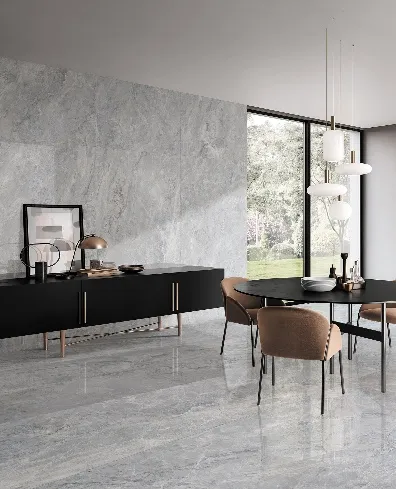
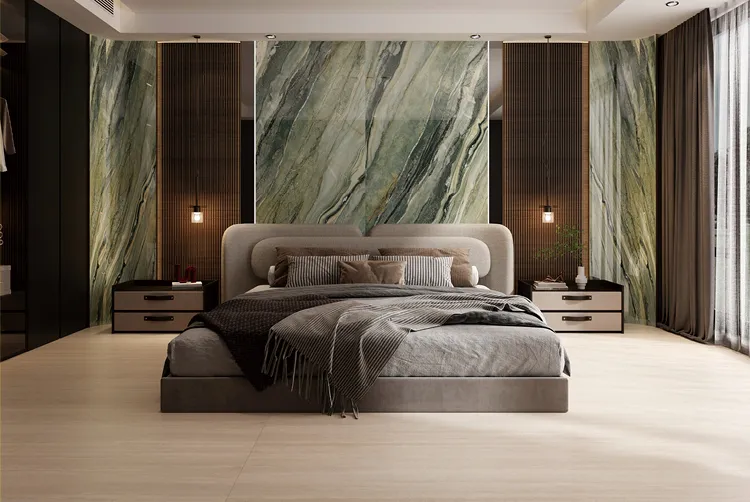
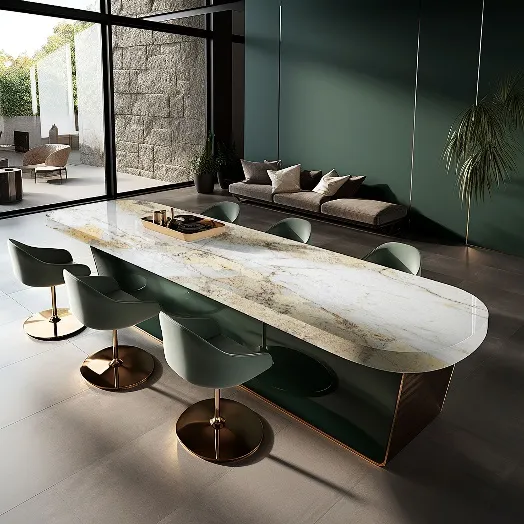
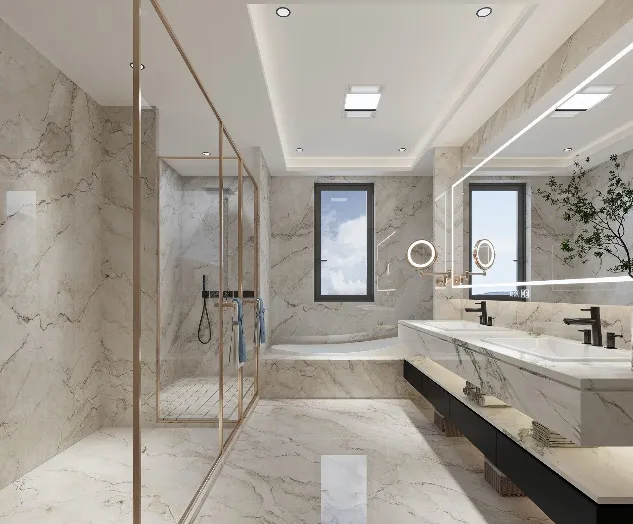
Porcelain slab tiles, in particular, have emerged as a standout choice for LEED-focused teams. Unlike traditional ceramic tiles or painted drywall, these slabs are crafted from natural clay and minerals fired at ultra-high temperatures, resulting in a product that's dense, non-porous, and resistant to scratches, stains, and moisture. But their LEED appeal goes deeper: many manufacturers now produce porcelain slabs with recycled content, use low-VOC (volatile organic compound) glazes, and implement water-saving production processes. When paired with other sustainable materials, they become a cornerstone of green building design.