
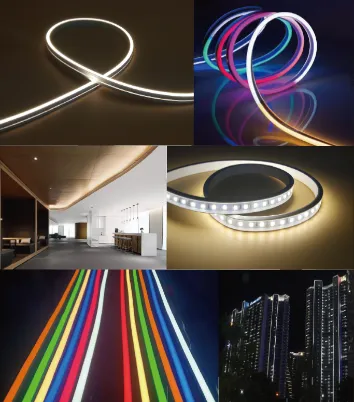
Lighting is no longer just about visibility — it is a defining element of architectural design, ambiance, and functionality. Among the many lighting options available today, led lights strips have emerged as one of the most versatile and widely adopted solutions across residential, commercial, and hospitality projects. Whether you are outfitting a hotel lobby, designing a modern office workspace, or enhancing the exterior facade of a building, LED strip lights offer flexibility that traditional fixtures simply cannot match.
This guide explores how LED strip lights are transforming building projects, what to look for when sourcing them, and why working with a one-stop architectural solution provider can save you time, cost, and coordination headaches.
The construction industry has seen a significant shift toward integrated lighting design. Architects and interior designers now plan lighting layouts alongside structural and decorative elements from the earliest stages of a project. LED strip lights are central to this trend for several reasons:
Space-saving profile. LED strips are thin and flexible, making them ideal for recessed installation in ceilings, under cabinets, along staircases, and inside coves. They deliver illumination without occupying visual space.
Design continuity. Because strips can be cut to custom lengths and bent around curves, they enable seamless lighting lines that enhance modern, minimalist aesthetics.
Energy efficiency. Quality LED strips consume significantly less power than incandescent or fluorescent alternatives, contributing to lower operational costs and better sustainability ratings for buildings.
Versatile color options. From warm white for residential comfort to dynamic RGB for commercial branding, LED strips can be tailored to match the precise mood and function of any space.
Not all LED strip lights are created equal. The following factors should guide your selection process:
Where will the strips be installed? Indoor applications such as residential lighting in living rooms, bedrooms, and kitchens typically require moderate brightness and warm color temperatures. Commercial spaces like offices, retail stores, and restaurants demand higher brightness and consistent color rendering. For outdoor lighting applications — including building facades, garden paths, and signage — waterproofing becomes a critical factor.
The IP (Ingress Protection) rating determines how well the strip resists dust and moisture. For indoor dry areas, IP20 is usually sufficient. For bathrooms, kitchens, or covered outdoor areas, IP65 or higher is recommended. For full outdoor exposure or underwater installation, look for IP67 or IP68 ratings. A reliable commercial building materials supplier should be able to provide the appropriate IP rating for your specific use case.
The type and density of LED chips directly affect brightness and uniformity. Common chip types include SMD 2835, SMD 5050, and COB (Chip on Board). Higher chip density (more LEDs per meter) produces a more continuous light line without visible hot spots — important for high-end architectural applications.
Color temperature, measured in Kelvin (K), ranges from warm white (2700K–3000K) to cool white (5000K–6500K). The Color Rendering Index (CRI) indicates how accurately the light reveals the true colors of objects. For retail, hospitality, and residential applications, a CRI of 90+ is recommended.
Most LED strip lights operate on 12V or 24V DC. For larger installations, 24V strips are preferred because they experience less voltage drop over long runs. Smart control options — including dimming, RGB color changing, and integration with building automation systems — add both convenience and energy-saving potential.
One of the biggest challenges in construction projects is coordinating multiple material suppliers. Lighting needs to work in harmony with ceilings, walls, flooring, and furniture. This is where sourcing from a comprehensive supplier makes a tangible difference.
COLORIA GROUP, as a one-stop architectural solution provider, supplies not only a full range of led lights strips but also the complementary building materials that these lights integrate with — including ceiling systems, wall panels, customized furniture, and decorative profiles. This means contractors can source lighting and the surrounding materials from a single supplier, ensuring compatibility and reducing procurement complexity.
For example, a hotel project might require:
Rather than coordinating with four different vendors, a project manager can source all of these from COLORIA GROUP under one procurement plan.
LED strip lights are used extensively in hotels for ambient corridor lighting, backlit headboards, bathroom mirror illumination, and restaurant accent lighting. The ability to dim and tune the color temperature allows hotels to create different moods throughout the day.
Modern offices favor linear LED lighting integrated into suspended ceilings and workstation partitions. The clean, uniform light output reduces eye strain and aligns with contemporary office design trends.
In retail, lighting directly influences purchase behavior. LED strips are used in display shelves, window displays, and signage to draw attention to products and create an inviting store atmosphere.
From under-cabinet kitchen lighting to stair tread illumination and wardrobe interiors, LED strips add both functionality and a premium feel to residential interiors. Whole-house customization projects increasingly specify LED strip lighting as a standard feature.
Building facades, landscape features, pathways, and parking areas all benefit from well-designed LED strip lighting. IP67/IP68 rated strips are essential for these applications to withstand rain, dust, and temperature fluctuations.
Sourcing building materials and lighting from separate suppliers introduces several risks:
By partnering with a supplier that covers both lighting and the full spectrum of building materials — from walls and flooring to furniture and appliances — project developers can streamline their supply chain and focus on project execution rather than procurement logistics.
COLORIA GROUP's product portfolio spans 13 categories including lights, walls, flooring, ceilings, sanitary fixtures, customized furniture, windows & doors, and more. This breadth enables the company to serve as a single point of contact for construction projects of all scales, from residential villas to commercial complexes.
LED strip lights may seem like a small detail in the grand scheme of a construction project, but their impact on the final result is outsized. They define the atmosphere, enhance architectural features, and contribute to energy performance. Choosing the right product — and the right supplier — makes all the difference.
When evaluating LED strip lights for your project, consider the full picture: product quality, waterproof ratings, chip specifications, color performance, and how the lighting integrates with the other materials in your build. Working with a supplier that understands the complete construction ecosystem ensures that every component works together seamlessly.
Ready to Explore LED Strip Lighting for Your Next Project?
Visit COLORIA GROUP's lighting product page to browse the full range, or contact the team to discuss your specific requirements. Whether you need a single strip light specification or a complete building material package, the right solution is just a conversation away.
Recommend Products












