
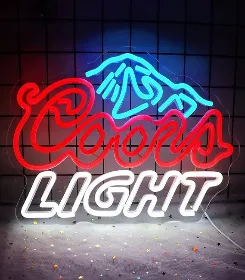
Remember those vibrant neon signs that defined city skylines for decades? While they certainly had their charm, we're now seeing a quiet revolution in signage technology. Enter LED light letter signs – the modern, efficient, and brilliantly adaptable alternative that's changing how businesses illuminate their brands. Picture this: You're walking down a bustling street at night, drawn to a storefront glowing with crisp, vivid letters that seem to float against the darkness. That's the magic of LED signage.
What makes LEDs special? Unlike traditional neon lights that rely on fragile glass tubes filled with gas, LEDs use semiconductor materials that convert electricity directly into light. This fundamental difference creates a cascade of advantages we'll explore – from slashing energy bills by up to 80% compared to neon, to surviving decades longer in harsh weather conditions.
At first glance, LEDs (Light Emitting Diodes) seem deceptively simple – just tiny dots of light. But under the surface lies fascinating science. When electricity passes through a semiconductor compound (usually gallium arsenide or aluminum gallium indium phosphide), electrons get excited, jump energy levels, and release photons – those particles of light we see. By precisely mixing these materials, engineers can create any color imaginable , from warm sunset oranges to deep ocean blues.
Consider neon's approach: Glass tubes filled with noble gases like neon or argon. When high-voltage electricity zaps through them, the gases glow – but most of the energy transforms into wasted heat rather than visible light. LEDs turn this inefficiency on its head. Almost all their energy goes straight into light production. Imagine your car's engine – neon operates like a gas-guzzling V8 from the 1970s, while LEDs resemble a sleek modern hybrid silently sipping fuel.
The physics behind this efficiency relates to electroluminescence . In LEDs, light appears when electrons flow across a junction between differently charged semiconductor materials. In contrast, neon relies on heating gases until they glow – a process inherently wasteful by design. This quantum-level efficiency manifests in the real world as signs that stay cool to the touch despite blazing brightly all night.
| Feature | LED Light Letters | Traditional Neon |
|---|---|---|
| Energy Efficiency | Uses 80-90% less electricity | High energy consumption |
| Lifespan | 50,000-100,000+ hours | 10,000-15,000 hours |
| Durability | Solid-state design withstands impact | Glass tubes shatter easily |
| Maintenance Costs | Minimal repairs needed | Frequent bulb replacements |
| Environmental Impact | No hazardous gases, fully recyclable | Contains mercury in some cases |
| Design Flexibility | Thin profiles, custom fonts & effects | Limited to tube-bending possibilities |
But what do these numbers mean in practice? Take a typical 5-foot storefront sign. A neon version might cost $40/month in electricity while buzzing and flickering intermittently. The LED equivalent? Around $8/month while glowing consistently for years. For restaurants or 24-hour businesses, this difference compounds into thousands saved annually.
Maintenance tells another story. Neon's glass tubes inevitably succumb to weather, vibration, or accidental bumps. Each break demands specialized repair with high-voltage transformers. With LEDs, you can literally drive nails through the light strips without failure. The sealed, waterproof design survives downpours that would short-circuit fragile neon. When it comes to lighting commercial buildings or creating vibrant shopping districts, this resilience becomes invaluable.
The magic happens when LEDs transform architectural lighting solutions from mere visibility to strategic branding. Imagine stainless steel letters backlit with LEDs so precisely tuned they match your Pantone® brand color. Or see-through acrylic letters where light diffuses evenly across every smooth curve. Modern LED systems achieve this through:
We see breathtaking applications globally. Picture Tokyo's Ginza district with multi-story buildings wrapped in LED media facades that transform after dark. Or boutique hotels where wall-mounted letters cast elegant shadows as part of interior decor. The flexibility allows for:
This versatility transforms signs into dynamic communication tools – a coffee shop's name could glow welcoming amber at sunrise, shift to energetic orange at noon, and transition to cozy sunset red at closing time. Such emotional connection simply wasn't possible with static neon lighting.
As cities implement stricter energy codes and businesses pursue ESG goals, LED letters emerge as sustainability champions. Consider:
A single neon sign could consume up to 15,000 watts – equal to running 10 home refrigerators simultaneously. Comparatively, the typical LED sign averages just 300-700 watts while offering superior brightness. Multiply this across urban business districts and the collective energy savings become staggering.
Beyond power consumption, LED signs excel at resource efficiency. Their solid epoxy coatings and aluminum housings withstand decades outdoors – no cracked glass filling landfills. If components eventually require replacement, materials get recycled into new products. Neon? Often destined for specialty disposal due to mercury content and glass fragments.
For developers embracing LEED certification or cities implementing dark sky ordinances, LEDs provide unmatched compliance. Smart systems automatically dim after business hours while maintaining visibility – impossible with neon's binary on/off functionality. Directional lighting prevents wasteful "light trespass" onto neighboring properties, all while offering brilliant illumination exactly where needed.
We're merely scratching the surface of LED signage potential. Emerging trends include:
Micro-LED Arrays: These rice grain-sized diodes enable unprecedented detail. Imagine letters where every serif and curve appears razor-sharp even inches away from the sign. Such precision creates floating holographic-like effects impossible with tube lighting.
Embedded Intelligence: Future signs will self-monitor performance. Sensors detect fading colors or dimmed sections, alerting maintenance teams before customers notice. Coupled with smartphone connectivity, owners could adjust lighting from anywhere via an app – sunset in London means instant brightness adjustment for signs in New York.
Advanced Materials: Imagine flexible LED strips thinner than credit cards forming flowing cursive letters, or transparent displays integrated into glass windows. These technologies enable signs to literally disappear during daytime, then dramatically unveil their glow at night.
For architectural lighting solutions , this means entire facades becoming dynamic communication canvases. Historic buildings could project architectural details that fade during daylight, while modern structures transform nightly into works of digital art. The possibilities extend beyond signage to boundary-pushing illuminated experiences.
Considering LED light letters for your business? Follow these expert recommendations:
For architects designing entire building exteriors, coordination becomes critical. LED signs integrate with façades differently than bulky neon. Plan for concealed wiring channels and structural support points during construction. Modern extruded aluminum sign channels simplify installation while protecting vital components.
Above all, view signage as an investment, not an expense. While LED letters typically cost 10-20% more initially than comparable neon, they repay this difference within 18-36 months through energy savings alone. Then for the next decade or more, they operate silently as brand ambassadors requiring minimal attention.
When we step back and look at the larger picture, LED light letter signs represent more than incremental improvement over neon – they're a fundamental transformation. Think of vinyl records to streaming services, or landline phones to smartphones. The technology leap brings:
As we move through this decade, expect LED technology to become even more integrated with smart architecture. Those glowing storefront letters will transform into interactive displays recognizing loyal customers, shifting messages to match inventory patterns, and even integrating with augmented reality platforms. The humble sign evolves from passive advertising into responsive brand engagement.
So the next time you see a glowing storefront sign at twilight, look closely. Notice how the light emits from every contour without hotspots. See the crispness of custom letterforms impossible with bent glass. Feel the energy-conscious decision behind the brightness. That's the future of signage—brighter, smarter, and more efficient than we ever imagined. Those luminous letters are more than guides; they're beacons lighting our way toward what's next.
Recommend Products












