

In the fast-paced world of modern architecture, where every detail matters—from the foundation to the finishing touches—one material has been quietly revolutionizing how we build, design, and live: WPC wall panels. As buildings become more than just structures, evolving into spaces that blend functionality, aesthetics, and environmental responsibility, the demand for materials that keep up with these needs has never been higher. Enter Coloria, a name synonymous with innovation in the building materials industry and a leading force in redefining what sustainable construction looks like today. With decades of experience as a one-stop architectural solution provider, Coloria isn't just supplying materials; it's crafting the future of building—one panel, one project, one sustainable choice at a time.
Let's start with the basics: What exactly is a WPC wall panel? Short for Wood-Plastic Composite, WPC is a blend of recycled wood fibers and plastic, engineered to combine the best of both worlds— the natural look and feel of wood with the durability and low maintenance of plastic. But it's not just about mixing two materials; it's about creating something entirely new. For homeowners tired of walls that warp in humid bathrooms, for business owners needing durable surfaces in high-traffic commercial spaces, for architects striving to meet strict sustainability goals—WPC wall panels check every box.
Think about traditional wall materials for a moment. Solid wood, while beautiful, often means cutting down trees and constant upkeep—staining, painting, fighting off termites. Stone or ceramic tiles? Heavy, expensive to install, and prone to cracking if not handled carefully. Drywall? Susceptible to water damage and hard to repair. WPC panels, on the other hand, laugh in the face of these issues. Water-resistant? Check. Scratch-proof? You bet. Easy to clean? Just a wipe with a damp cloth. And here's the kicker: they're made from recycled materials, reducing waste and lowering carbon footprints. In a world where "sustainability" isn't just a buzzword but a necessity, this matters more than ever.
| Feature | WPC Wall Panels | Traditional Wood | Ceramic Tiles |
|---|---|---|---|
| Environmental Impact | Recycled materials, low carbon footprint | Requires tree harvesting, high emissions | Energy-intensive production |
| Durability | Waterproof, termite-resistant, 15+ year lifespan | Prone to rot, warping, and pests | Brittle, cracks under impact |
| Installation | Lightweight, easy to cut and fit (DIY-friendly) | Heavy, requires professional tools | Requires mortar, grouting, and precise leveling |
| Design Flexibility | Mimics wood, stone, marble; customizable colors | Limited by natural grain and color | Fixed patterns, hard to customize |
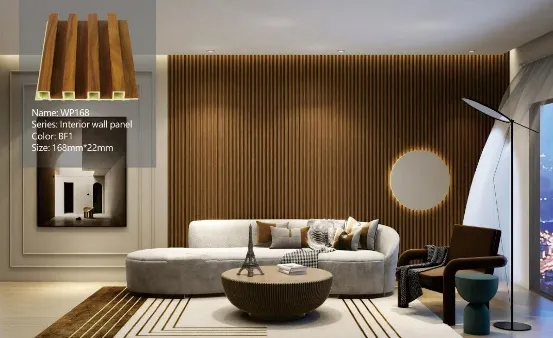
At the heart of Coloria's success lies its state-of-the-art WPC wall panel factory—a hub where technology, sustainability, and design collide. But this isn't just a factory; it's a laboratory of ideas. Every panel that rolls off the production line is a result of years of research, testing, and a commitment to pushing the boundaries of what WPC can do. Let's take a closer look at what makes Coloria's WPC panels stand out in a crowded market.
When Coloria talks about sustainability, it's not just lip service. The factory runs on energy-efficient machinery, and over 80% of the raw materials used in WPC panels are recycled—think plastic bottles that would otherwise end up in landfills, and wood scraps from furniture production. This isn't just good for the planet; it's good for business. As governments worldwide tighten regulations on carbon emissions and green building certifications become a standard (LEED, BREEAM, etc.), Coloria's panels are already ahead of the curve. For example, their Class A fireproof CPL inorganic board, often used in hospitals and schools, isn't just fire-safe—it's also made with zero formaldehyde, ensuring indoor air quality that protects vulnerable populations like children and patients.
One of the biggest misconceptions about WPC panels is that they lack character—that they're "fake" wood or stone. Coloria is here to debunk that. Walk through their sample room, and you'll find panels that mimic the rich grain of oak, the rugged texture of travertine, the sleekness of marble, even the warmth of bamboo. Want a modern minimalist look for a boutique hotel? There's a smooth, matte finish with subtle wood tones. Dreaming of a rustic cabin vibe in your home office? Opt for the distressed barnwood texture. And because the designs are printed using advanced UV technology, the colors stay vibrant for years, even in direct sunlight—no fading, no discoloration.
But it's not just about looks. These panels are built to adapt. Need something for a high-moisture area like a bathroom or poolside cabana? Coloria's waterproof WPC line handles humidity like a pro, unlike traditional wood that swells or tiles that harbor mold in grout lines. For commercial spaces like restaurants or retail stores that see heavy foot traffic, the scratch-resistant surface means no unsightly marks from chairs, carts, or eager customers. It's design that works as hard as you do.
Ever wondered what happens before a Coloria WPC panel reaches your project site? Spoiler: It's put through the wringer. The factory has a dedicated quality control lab where panels undergo rigorous testing—water immersion tests (24 hours in water, no swelling), impact tests (dropping heavy objects to check for cracks), fire resistance tests (meeting strict Class A standards), and even colorfastness tests (exposure to UV light for 1,000 hours). Only panels that pass every single test make it out the door. This obsession with quality is why architects and contractors in Saudi Arabia and beyond keep coming back. When you're building a school, a hospital, or a family home, you don't just want materials—you want peace of mind.
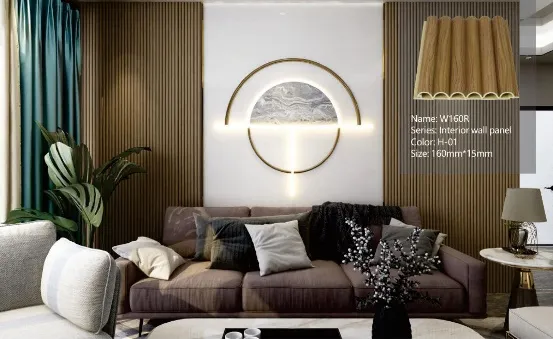
What truly sets Coloria apart isn't just its WPC panels—it's the fact that they're so much more than a wall panel supplier. As a one-stop architectural solution provider, Coloria simplifies the building process from start to finish. Imagine this: You're an architect working on a residential complex in Riyadh. You need wall panels, flooring, kitchen cabinets, lighting, and even solar panels to meet sustainability requirements. In the old days, that would mean coordinating with 5-6 different suppliers—each with their own lead times, pricing, and quality standards. It's a logistical nightmare that delays projects and eats into budgets.
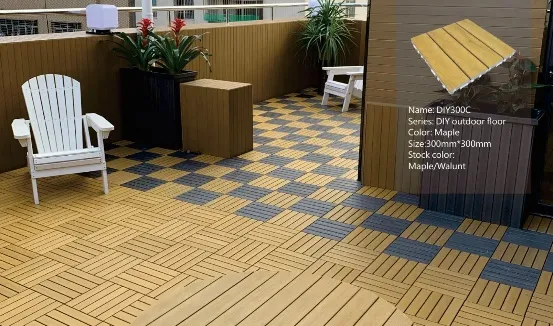
With Coloria, it's different. One call, one point of contact, and suddenly you're not juggling multiple orders. Need WPC wall panels for the living rooms? Check. Waterproof flooring for the bathrooms? They've got WPC flooring solutions too. Custom kitchen cabinets that match the panel design? Their whole-house customization service has you covered. Even solar panels to power the complex? Yep, that's part of their sustainable product line. It's like having a building materials concierge—someone who understands your vision and handles the details so you can focus on what you do best: designing incredible spaces.
This "one-stop" approach isn't just convenient; it's cost-effective. By bundling products, Coloria can offer competitive pricing, and with a single delivery schedule, you avoid the hassle of multiple shipments and storage fees. For contractors in Saudi Arabia, where project timelines are tight and efficiency is key, this is a game-changer. It's why Coloria has become a trusted partner for everything from small home renovations to large-scale commercial projects like hotels and office buildings.
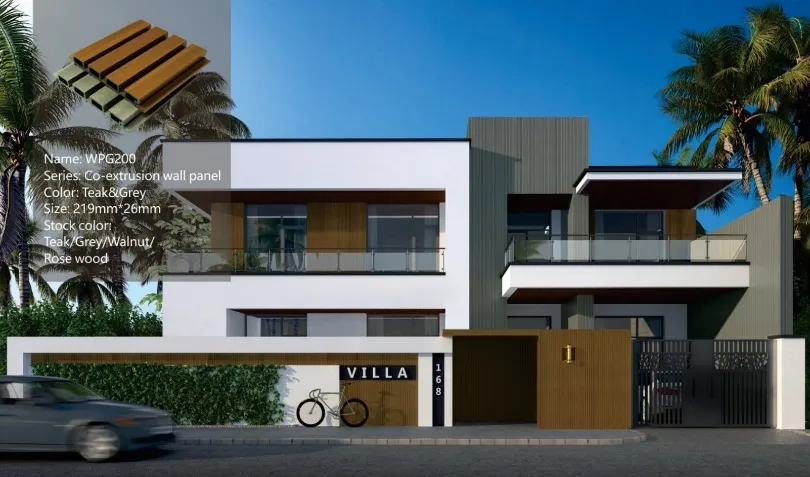
While Coloria has a global footprint, its roots in Saudi Arabia run deep. With a dedicated agency in the country and decades of experience in the Middle Eastern market, the team understands the unique challenges and opportunities of building in this region. The climate, for starters—Saudi Arabia's hot, dry summers and occasional sandstorms demand materials that can withstand extreme conditions. Coloria's WPC panels are engineered to handle high temperatures without warping, and their UV-resistant coatings prevent fading, even in the harsh desert sun.
But it's not just about the weather. Coloria is committed to supporting Saudi Arabia's 2030 Vision—a plan to diversify the economy, create local jobs, and promote sustainable development. The company invests heavily in training Saudi talent, from factory workers to sales teams, ensuring that the next generation of building professionals has the skills to thrive. They also prioritize local sourcing where possible, reducing carbon emissions from transportation and supporting the national economy. It's a partnership that goes beyond business; it's about growing together.
Take, for example, a recent project in Jeddah: a mixed-use development with residential apartments, retail spaces, and a community center. Coloria provided everything from WPC wall panels and flooring for the apartments to energy-efficient lighting and solar panels for the common areas. By localizing the supply chain, the project was completed three months ahead of schedule, and 90% of the construction materials were sourced regionally—aligning perfectly with the 2030 Vision's goals of sustainable growth and local content.
The future of building materials is bright, and Coloria is leading the charge. As the world moves toward more sustainable, efficient, and connected spaces, the company is already investing in the next generation of WPC technology. One exciting area? Smart WPC panels integrated with IoT sensors. Imagine a panel that can monitor temperature, humidity, or even air quality in a room, sending data to your phone or building management system. It's not science fiction—Coloria's R&D team is already testing prototypes.
Another focus is circular economy. While WPC panels are already made from recycled materials, Coloria wants to take it a step further by creating panels that are 100% recyclable at the end of their lifespan. Imagine a world where your old wall panels don't end up in a landfill but are ground down and turned into new panels—closing the loop on waste. It's an ambitious goal, but with the team's track record of innovation, it's only a matter of time.
And let's not forget about design. As virtual reality (VR) and augmented reality (AR) become more common in architecture, Coloria is exploring tools that let clients "see" their space with WPC panels before construction even starts. Using AR apps, you can point your phone at a blank wall and instantly visualize how different panel designs would look—making the decision process faster and more interactive.
At the end of the day, Coloria isn't just selling WPC wall panels or building materials. It's selling confidence—in the sustainability of your project, in the durability of your space, in the idea that building can be both beautiful and responsible. Whether you're a homeowner looking to refresh your living room, a developer breaking ground on a new commercial complex in Riyadh, or an architect designing the next iconic building, Coloria is there with solutions that work as hard as you do.
So the next time you walk into a space that feels warm, durable, and effortlessly stylish, take a closer look at the walls. Chances are, they're Coloria's WPC panels—quietly transforming buildings into homes, offices into communities, and construction sites into a greener future. Because in the end, building materials aren't just about what's on the outside; they're about the life that happens on the inside. And that's a life worth investing in.
Recommend Products











