
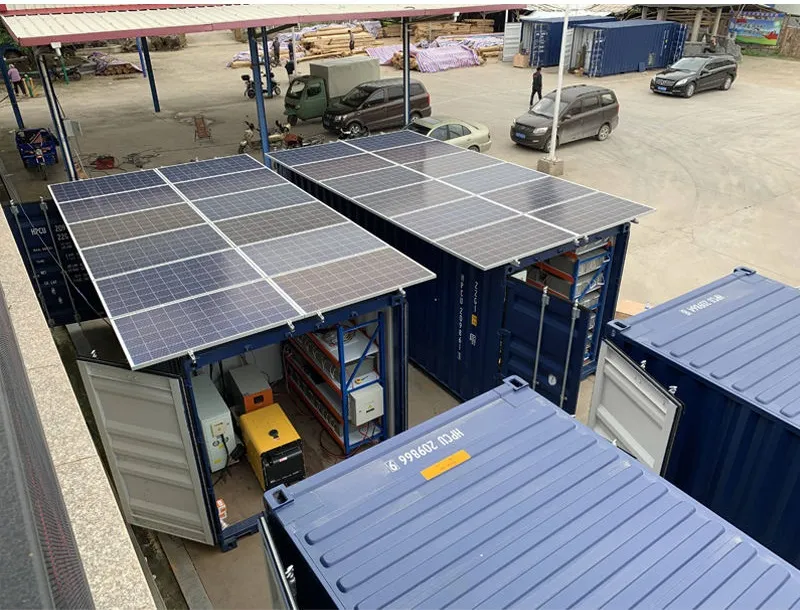
Picture this: rows of solar panels glinting under the sun, symbols of clean energy, hiding an uncomfortable truth. For decades, their production relied on toxic lead-based soldering - a paradox where green technology carried environmental baggage. But that's changing fast. Across the solar industry, from panel suppliers to installation companies, engineers are reinventing the backbone of solar technology. Lead-free soldering isn't just a technical tweak; it's a full-scale transformation reshaping how we capture sunlight.
Let's cut through the jargon. Soldering is essentially solar panel glue - it holds electrical connections together inside every module. Lead-based solder worked beautifully because it melted easily and created reliable joints. But here's the kicker: when solar panels reach end-of-life (typically after 25-30 years), that lead can leach into soil and groundwater. Picture rainwater trickling through landfill-bound panels, carrying toxins into ecosystems. Not exactly the clean legacy solar promises, right?
The real-world consequences hit home hard. Remember the lead contamination crisis in Flint, Michigan? While solar panels weren't the culprit, they illustrate how lead exposure can devastate communities. Developing nations receiving second-hand solar equipment faced disproportionate risks, with informal recycling operations releasing lead fumes during component stripping.
The solution came from materials science's A-team. Tin-silver-copper alloys emerged as the MVP alternative - think of it like inventing non-toxic superglue. These blends melt at slightly higher temperatures (about 217°C vs. lead's 183°C) but perform nearly identically. The real game-changer? Nano-coating technology that helps the solder "wet" surfaces better, preventing the dreaded dry joints that cause panel failures.
Reliability testing blew engineers away. New solder formulations survived:
Forward-thinking solar panel suppliers like SunPower and Canadian Solar have adopted these formulas across premium product lines, proving lead-free doesn't mean compromise.
EU's RoHS Directive triggers first lead-free experiments in electronics
California sets solar-specific lead limits, forcing US manufacturers to adapt
New IEC standards require lead content labeling on all PV modules
"The regulations forced our hand," admits Michael Chen, sustainability director at JinkoSolar. "But now we're grateful. We've reduced lead use by 98% across all factories while actually improving our module reliability scores."
Sometimes breakthroughs come from happy accidents. When a lab tech at Hanwha Q-CELLS accidentally contaminated solder paste with gallium, they noticed joints became more temperature-resistant. This led to the "Galfin" alloy now used in their Q.ANTUM panels. Similarly, REC Group's experiments with bismuth produced solder that flows like maple syrup - forgiving for manufacturing but rock-solid when cool.
Then there's the scrappy startup angle. SolderTech, founded by ex-Tesla engineers, developed ultrasonic soldering that eliminates paste altogether. "We use sound vibrations to fuse metals," explains CEO Amanda Reyes. "It's like cold welding - no heat, no lead, no emissions. Major players are licensing this for their next-gen lines."
Corporate procurement offices are becoming unexpected environmental warriors. When Google committed to carbon-neutral data centers, they discovered solar panels contributed 23% of their facility's toxic footprint via lead solder. Now their supplier contracts mandate lead-free production. Similar stories emerge:
This trickles down to homeowners too. Installers like Sunrun now offer "Eco-Panel" options at 5-7% premium, marketing the health benefits alongside energy savings.
The transition plays out dramatically on production lines. At LONGi Solar's Malaysian plant, engineers wrestled with three challenges:
"We had weeks where yield rates dropped 15%," recalls production head Rajiv Kapoor. "But cross-functional teams solved it - we added AI vision systems to inspect joints and redesigned wave soldering nozzles. Now our defect rate is actually lower than with lead solder."
Eliminating lead was just the opening act. Next-generation soldering targets complete sustainability:
Microcapsules release repair agents when cracks form - could extend panel life to 40+ years
Derived from pine resins instead of petrochemicals - already in pilot production
Reduces energy use in manufacturing by 30% in lab settings
Meanwhile, recycling innovation accelerates. Veolia's new hydrometallurgical process recovers 99.9% of metals from end-of-life panels without smelting - meaning zero lead emissions during disposal.
We're witnessing solar's second renaissance. Just as silicon cells replaced clunky predecessors, lead-free manufacturing represents maturation toward truly clean energy. The challenges? Real but manageable. The benefits? Healthier ecosystems, safer recycling workers, and solar technology aligning with its environmental promise.
As Trina Solar's CTO put it: "When your business is capturing sunlight, you can't justify shadowy environmental compromises. Lead-free production isn't a trend - it's solar finally growing up."
Recommend Products












