


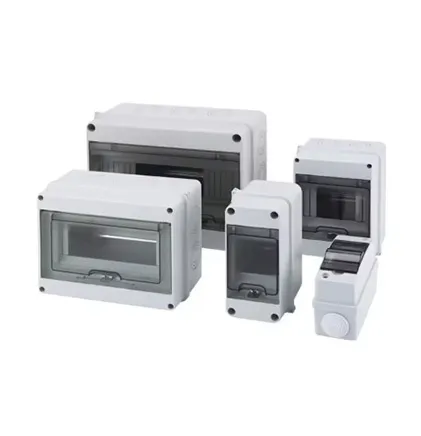
How global safety changes reshape the way we power our lives—and why it matters
Ever flipped a switch and not given it a second thought? That’s the magic of distribution boxes—those unassuming metal cabinets that silently route electricity through our homes, offices, and factories. But behind the scenes, a quiet revolution is unfolding in how these boxes get designed, tested, and shipped worldwide. Fresh updates to the International Electrotechnical Commission (IEC) standards are shaking up the game, forcing manufacturers to rethink everything from materials to marketing. What do these changes mean for the everyday consumer, the factory worker, or the climate activist? Let’s cut through the jargon and find out.
⚡ Why IEC Updates Are More Than Just Paperwork
IEC standards are like the rulebooks of the electrical world—essential, exhaustive, and occasionally exhausting. But in 2024, several major tweaks turned heads globally. For distribution boxes, the headline change involves enhanced safety protocols for thermal management. Translation? Your fuse box won’t overheat easily anymore.
"Think of it as turning flimsy sandcastles into concrete fortresses."
“We’re seeing stricter testing for arc fault resistance,” explains Silvia Rojas, an engineer at EuroVolt Systems. “It’s not just about preventing fires—it’s about containment when things go south.” That means thicker insulation, smarter circuit breakers, and mandatory temperature sensors. And if you’ve ever seen those viral videos of exploding transformers? These changes aim to make them relics of the past.
Quick Stat: New IEC 61439-2 standards demand 15% longer burn tests for materials. Manufacturers now must prove their boxes can withstand 900°C for over 45 minutes.
The Ripple Effect on Global Trade
Exporters, listen up. This isn’t just technical fine print—it’s a passport stamp. Countries like Germany and Japan instantly folded the new IEC rules into their national codes. Fail to comply? Your shipment gathers dust at customs.
“We lost $200,000 in orders in Q1 because our older models didn’t include humidity sensors,” shares Carlos Mendez, CEO of México Electrica. “Customers in Scandinavia won’t touch anything without that green dot now.”
Then there’s the carbon footprint clause. Yes, you read that right. IEC now requires carbon audits for all components. That plastic casing? Track its journey from factory to warehouse. Those copper wires? Tag their emissions per kilometer shipped.
But it’s not all doom. Innovators thrive in chaos. Kenyan startup VoltAura redesigned their entire line using recycled aluminum, slashing emissions by 60%—and landing an EU contract because of it.
Power Cables: The Unsung Heroes in the Equation
Here’s where things connect—literally. Updated IEC rules now treat cables and boxes as one ecosystem. Your power cables must sync seamlessly with distribution units, like two dancers who’ve practiced for years. Poor compatibility was behind 30% of factory fires last year.
“We’re moving beyond ‘plug-and-pray’ to ‘plug-and-perform,’” says Tokyo-based designer Kenji Tanaka. His team now runs AI simulations mapping how cables and boxes interact during power surges. It’s tedious, sure, but cheaper than lawsuits.
Pro Tip: Look for certification labels like IEC 60502-1. They guarantee your cables and box speak the same safety language.
Real People, Real Stories: How Updates Hit Home
Meet Aisha from Lahore, Pakistan. She runs a small textile workshop powering 20 sewing machines through a rickety distribution box. Last month, a brownout sparked flames, burning half her stock. The new IEC-certified box she installed? It’s not just metal—it’s insurance.
In Oslo, electrician Lars Falkenberg recalls “the surge disaster of ’22” that fried an apartment complex. “Back then, boxes were dumb metal,” he shrugs. “Now they’re like traffic cops routing power away from danger. That’s priceless.”
️ The Certification Maze: Navigating New Norms
Getting certified used to feel like a tax—annoying but fast. Not anymore. Under revised rules, labs now mimic worst-case scenarios: storms, floods, even curious toddlers poking screwdrivers into sockets.
Malaysian supplier TechGuard spent 8 months retesting their flagship model, logging 4,000 hours of lab time. The pay-off? Approval in 12 new markets. “Painful? Yes,” says CEO Anita Huang. “But now we sleep better.”
For buyers, the lesson’s simple: Never skip the sticker. That IEC stamp isn’t decoration—it’s a silent sentinel.
The Future: Smart Boxes & Green Grids
Next-gen boxes are already whispering promises. Imagine units that text you when circuits overload. Or solar-compatible hubs routing sunbeams to where they’re needed most. IEC’s updates quietly fuel this quiet revolution.
African nations are leapfrogging old grids entirely, using IEC-compliant microgrids to power villages overnight. It’s proof that rules breed innovation, not stifle it.
“The most boring box now holds galaxies of potential.”
Distribution boxes may lack flash, but in our electrified world, they’re the spine holding everything upright. IEC’s tweaks aren’t red tape—they’re a lifeline woven into copper and steel. So next time you flick that switch, pause. Thank regulations for the quiet safety humming behind the wall. After all, invisibility is their superpower.










