
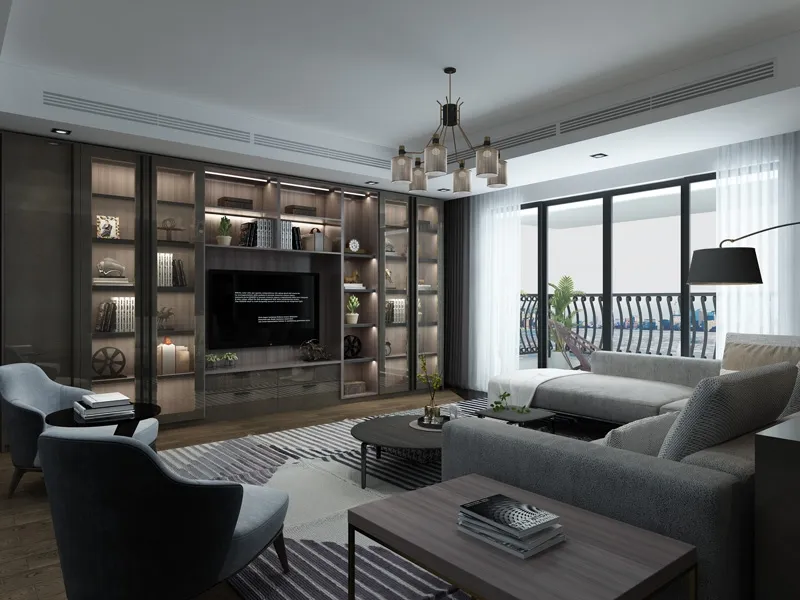
Remember mass-produced particleboard units? Consumers now reject disposable furniture. With climate consciousness rising (and landfills overflowing), TV cabinet designs must do more than look good - they need environmental credentials you can touch and feel. Today’s buyers inspect material sourcing like never before!
Mushroom roots engineered into panels stronger than MDF! Unlike petroleum-based laminates, mycelium grows in just days using agricultural waste. Waterproof finishes now allow these biodegradable units to last decades. Plus, they absorb CO2 while decomposing – the ultimate circular material!
Bamboo matures in 3 years versus decades for timber! New vertical lamination techniques create stunning patterns mimicking luxury woods. Especially popular: torrefied bamboo – heat-treated for rich espresso tones without stains. Perfect for floating TV consoles needing strength without bulk.
Brands like PlasticFisher collect fishing nets abandoned at sea, transforming them into vibrant speckled panels. Each cabinet consumes the equivalent of 15kg marine waste! Bonus? They're UV-resistant and scratch-proof – ideal for family rooms with kids and pets.
Dutch studio BioM designed a TV cabinet using fallen urban tree trunks and bio-resin – resulting in a gorgeous piece celebrating natural imperfections. Hidden cable channels integrate within the live-edge structure. The kicker? When discarded, it safely decomposes in soil within 24 months!
Customer Reactions: "Feels alive under my fingertips!" – Maria T. (Verified Purchaser)
Modular components made from recycled circuit boards (yes!) and wheat straw composite, allowing easy upgrades as tech evolves. No screws needed – panels interlock using plant-based glue. Self-lubricating bamboo drawers glide silently while integrated airflow prevents electronics overheating.
Today’s sustainable cabinets don't shout about being green – they show it through intelligent details. See how innovation merges ecology with daily convenience:
Eco-materials once faced skepticism about durability. Modern engineering cracked the code! For instance:
The future of TV cabinets is a fusion of responsible choices and aesthetic expression – proving home design can champion planet health without compromises!
Navigating materials? Look for these certifications:
| Certification | Meaning | Trust Factor |
|---|---|---|
| FSC® Certified Wood | Responsible forestry practices | ★★★★★ |
| Cradle-to-Cradle | Designed for circular disassembly | ★★★★☆ |
| Global Recycled Standard | Verified recycled content | ★★★★☆ |
Pro Tip: Prioritize modular designs! Being able to replace a damaged drawer instead of replacing the entire unit maximizes sustainability.
Lab-grown cellulose, 3D-printed algae filaments, and textiles grown from kombucha waste might sound sci-fi – but prototypes already exist! Forward-thinking designers like Neri Oxman explore "living cabinets" that subtly change texture or color seasonally. Such innovations demonstrate sustainable TV cabinets aren’t just furniture – they’re statements shaping the future of interior design.
Transforming TV cabinets into eco-heroes proves every furnishing choice matters. When materials come from ocean debris becoming desirable décor? That's powerful storytelling enhancing your living space. As industry transparency grows ( hello blockchain tracking! ), consumers gain confidence they’re investing in both beauty and planetary stewardship.
Recommend Products












