
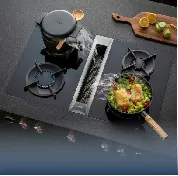
The heart of your kitchen gets smarter, more efficient, and more beautiful than ever
If your home could have a heartbeat, it would pulse from the kitchen. And at the center of that vital space is your range - the modern-day hearth that transforms raw ingredients into memories. Gone are the days when choosing a stove just meant picking between gas or electric. Today's culinary workstations blend cutting-edge technology with intuitive design to create kitchen masterpieces that fit how we actually cook and live.
Having tested dozens of models and tracked emerging trends from industry shows like KBIS, I've seen firsthand how stove technology has evolved. From induction ranges that boil water in half the time to smart ovens that recognize ingredients and suggest recipes, 2025 is reshaping what we expect from our cooking appliances. Whether you're outfitting a gourmet kitchen or upgrading an apartment galley, understanding today's options will transform how you interact with food.
Here's the surprising reality: Your stove now does much more than cook. It learns your habits, prevents food waste through smart inventory tracking, and can even reduce cooking time by up to 70% while consuming less energy. And with finishes from matte emerald to customizable brass hardware, today's ranges prove functional appliances can be showstoppers too.
Forget everything you thought you knew about electric cooking. Induction uses electromagnetic energy to heat only the cookware , making it wildly efficient. When Samsung showed me how their Bespoke model could boil a pot of water in under 90 seconds, I realized why KBIS featured induction so prominently. No flame means no excess heat in your kitchen during summer cooking sessions.
The evolution continues with innovations like BlueStar's Platinum series featuring visual flame indicators - red light bars that mimic gas flames - along with knobs that recreate the tactile experience gas lovers miss. For renters who can't install permanent ranges, even companies like GE now offer countertop induction models costing under $70.
Professional chefs swear by the immediacy of gas flames—and for good reason. That instant response when adjusting heat levels makes gas perfect for techniques like wok cooking or charring vegetables. LG's LRGL5825F model combines this responsiveness with smart features like InstaView (knock twice to light the interior) and True Convection baking.
Electric coils have largely given way to smooth-top glass surfaces, with models like the Whirlpool WGE745C0FS offering "Frozen Bake" technology that eliminates preheating. Dual-oven models provide ultimate flexibility—roast vegetables at 400°F while baking cookies at 350°F simultaneously.
The KitchenAid KSDB900ESS represents the hybrid approach: gas cooktops for immediate heat control paired with electric ovens for precise baking. At nearly 7 cubic feet of combined space, these ranges become command centers for serious entertainers.
The dual-fuel concept has evolved to include steam injection for artisan bread baking and wireless meat probes that monitor internal temperatures from your smartphone. Some models even incorporate induction elements into their gas cooktops for ultimate flexibility.
Ranges have become focal points rather than utilitarian appliances. KBIS highlighted finishes moving beyond stainless steel into:
The most forward-thinking approach? True Residential's strategy to offer appliances based on sophisticated residential and commercial building materials , creating harmonious kitchen ecosystems.
Imagine your range texting you: "The vegetables are roasted to perfection—come serve dinner!" That's today's reality. Top models now feature:
Samsung's AI hybrid cooling technology epitomizes this progression. It learns your habits—anticipating when you'll stock groceries—and adjusts cooling proactively to reduce energy waste by up to 30%.
Why have four appliances cluttering countertops when your range can do everything? Modern ovens combine technologies in unprecedented ways:
This consolidation trend has been embraced by major manufacturers who recognize our craving for multifunctional living spaces.
| Type | Budget Range ($) | Mid-Range ($) | Premium ($) | What Changes |
|---|---|---|---|---|
| Induction | 800 - 1,500 | 1,800 - 2,900 | 3,400 - 6,200 | Smart features, power level, surface durability, specialized burners |
| Gas | 600 - 1,000 | 1,200 - 2,000 | 2,500 - 5,000 | BTU output, burner configuration, convection quality, smart integration |
| Electric | 500 - 900 | 1,000 - 1,500 | 1,800 - 3,000 | Oven capacity, touchscreen interface, specialty baking modes |
| Dual-Fuel | 1,800 - 2,500 | 2,600 - 3,800 | 4,000 - 8,000 | Gas burner quality, electric oven precision, custom hardware |
Different chefs need different tools. Before deciding, consider:
The trends we saw at KBIS point toward increasingly modular, personalized kitchens. Imagine swapping oven modules as technology advances or having your range automatically order groceries when pantry staples run low. With solar integration becoming more accessible through portable solar panels, future ranges might even reduce grid dependence during cooking.
The most exciting development? The democratization of professional features. What only commercial kitchens had five years ago - precise temperature control, rapid cooking capabilities, steam injection - now fits in standard home models. As these technologies become widespread, we're not just buying appliances; we're investing in culinary partners that make daily cooking more joyful, efficient, and delicious.
One thing remains certain: regardless of whether you choose a $500 electric range or a $6,000 induction masterpiece, the heart of your home deserves thoughtful selection. Prioritize how you actually cook, consider future-proofing with smart capabilities, and don't underestimate the joy of beauty in everyday tools. After all, the kitchen is where memories simmer and stories cook—your range should be worthy of both.
Recommend Products












