
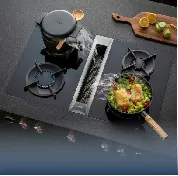
Hey there home chefs! Let's chat about something we tend to take for granted until something goes wrong - our trusty stoves. Whether you're whipping up a quick weeknight dinner or attempting a culinary masterpiece, safety should always be your main ingredient. Those kitchen fires you hear about? They're not just dramatic TV moments. Shockingly, over 350,000 home fires happen annually , and nearly half start right there in your kitchen. But here's the good news: most are totally preventable. So let's dive into those essential safety features and habits that'll keep you cooking with confidence!
Okay, let's talk about anti-tip brackets. If you're wondering "what the heck are those?" - you're not alone! These unassuming metal gadgets are stovetop superheroes, quietly anchoring your range securely to the floor or wall. You'd be surprised how easily a heavy pot or enthusiastic kid pulling on an oven door could tip your entire stove forward. I've heard horror stories of scalding liquids and crushing accidents that could've been prevented with this $15 solution.
Safety Reality Check: If you've got curious toddlers or energetic pets roaming around your kitchen, these brackets aren't optional - they're essential armor for your cooking space!
Here's a game-changing habit: when cooking on the stove, rotate those handles inward instead of letting them dangle temptingly over the edge. Why? Well, imagine bumping that handle with your hip while carrying groceries. That beautiful pot of simmering soup? Suddenly airborne and headed toward your feet. I learned this the hard way when my tea kettle met the floor. Now I always position handles toward the back or sides.
And here's a pro move: opt for the back burners whenever possible. Especially with kids around, this creates a nice buffer zone between curious hands and steaming pots. The back burners simply provide more natural protection - your stove's architectural guardian against kitchen catastrophes!
We've all cranked the burner to "jet engine" setting trying to get dinner on the table faster. But here's what happens: that oil starts smoking before you can say "shallot," and next thing you know, you've got flames licking your vent hood. I once nearly turned my stir-fry into a bonfire this way!
The reality? Leaving cooking food unattended is the top cause of kitchen fires. Set reminders on your phone if you must step away - I sometimes set a timer for just 3 minutes when simmering sauces. Better yet, just turn off the burner if you need to leave the kitchen briefly. Your tastebuds might crave that perfect sear, but your eyebrows will thank you for restraint.
Material No-Go: Never put cookware with plastic or wooden handles into the oven unless they're specifically oven-proof. Melted handles are both messy and dangerous!
Raise your hand if you've lined your oven bottom with foil to catch spills! (Yeah, guilty too). Seems like a genius move until you learn it can actually block airflow and create carbon monoxide pockets in electric ovens. Plus, grease buildup beneath the foil becomes a hidden fire hazard.
Instead of playing firefighter later, just embrace the inevitable oven mess. A better solution? Pop an empty baking dish on the lower rack to catch drips. Cleaning might feel like a chore, but it beats the alternative of smoke alarms serenading you mid-roast!
Alright, time for some kitchen confession: I've postponed oven cleaning after messy meals more times than I care to admit. But leftover grease isn't just unsightly - it's literally fuel waiting for a spark. That charred cheese spill from pizza night? It'll keep "cooking" every time you use the oven, becoming more flammable with each use.
And speaking of "self-cleaning" modes - they're not magic. Before you activate that scorching hot cycle, wipe up visible grease deposits! Otherwise, you might get more "self-cleaning" excitement than you bargained for. I learned this when smoke poured from my oven during its first cleaning cycle - lesson painfully learned.
Let's talk about fire extinguishers. That $40 purchase could literally save your home. But not just any extinguisher - you need a Class B type designed for kitchen fires involving oils and flammable liquids. Keep it accessible - not buried in a pantry corner. Mine lives mounted right next to the stove where I can grab it faster than my favorite spatula.
Also crucial? Knowing how to use it. Pull the pin, aim low at the fire's base, squeeze slowly, and sweep side-to-side. Practice the motion so it's muscle memory. And please, whatever you do, never douse a grease fire with water - you'll transform a small flare-up into a fiery explosion faster than you can say "whoops!" Keep baking soda handy for small grease fires instead.
If you cook with gas, listen up: carbon monoxide is that sneaky, odorless menace that can turn deadly without warning. This is why carbon monoxide detectors aren't optional accessories - they're life-saving necessities. Install one near your kitchen and test it monthly. If it chirps, treat it as seriously as a fire alarm - open windows immediately and call for help.
Gas leaks demand similar respect. That telltale rotten egg smell means stop everything - turn off the burner, avoid flipping switches, ventilate the area immediately, and exit. Don't play detective searching for leaks yourself. Professionals have tools and training you don't. Remember: with gas safety, "overreacting" doesn't exist - only smart prevention.
We take cars for oil changes and teeth for cleanings - why neglect our hardworking stoves? Annual maintenance checks by qualified technicians catch small issues before they become big disasters. Watch for warning signs like yellow or irregular flames (which should always be blue!), difficulty igniting burners, or unusual smells even without gas leaks.
And here's a simple nightly ritual that costs nothing: before heading to bed, double-check that all knobs are firmly in "off" position. With glass-top electric ranges, run your hand over the surface to confirm no residual heat. That peace of mind will help you sleep better than the most expensive mattress!
The real key to stove safety isn't complicated gadgets - it's cultivating awareness. Notice your movements near hot surfaces. Appreciate the importance of waterproof flooring when liquids inevitably splash. Recognize when exhaustion makes you careless. Build habits like turning pot handles sideways and wiping spills immediately. These tiny actions collectively build an impenetrable safety culture in your kitchen.
Most importantly? Swallow your pride and call 911 if a fire escalates. Trying to play hero could cost more than your kitchen remodel. I remember my neighbor saving her home only because she called firefighters immediately when oil ignited - minimal damage versus potential catastrophe.
Your stove isn't just an appliance; it's where family memories simmer and culinary dreams come to life. Treat it with respect. Implement these safety measures not as chores, but as loving rituals protecting everything important. Because nothing ruins dinner party ambiance quite like fire trucks arriving. Happy - and above all, safe - cooking everyone!
Recommend Products












