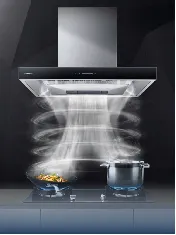
A well-designed kitchen is not complete without an effective ventilation system. Whether you are outfitting a residential villa, a hotel kitchen, or a commercial restaurant, the right kitchen hood plays a critical role in maintaining air quality, removing grease, and keeping the cooking environment comfortable. As projects grow in scale and complexity, sourcing reliable
kitchen hood solutions becomes a priority for contractors, developers, and hospitality businesses alike.
Why Kitchen Ventilation Matters
Cooking generates smoke, steam, grease particles, and odors that can linger long after the meal is prepared. Without proper extraction, these pollutants accumulate on walls, cabinets, and ceilings, leading to hygiene issues and unpleasant working conditions. In commercial settings such as hotels and restaurants, inadequate ventilation can even result in regulatory non-compliance. A high-quality kitchen hood removes airborne contaminants at the source, protecting both the kitchen interior and the health of those who use it.
Types of Kitchen Hoods for Different Applications
Understanding the types of kitchen hoods available helps you make an informed decision based on your project requirements.
Wall-Mounted Hoods: Installed against a wall above the cooktop, these are the most common type found in residential kitchens. They offer powerful extraction and come in various designs from traditional chimney styles to modern angled models.
Island Hoods: Suspended from the ceiling above an island cooktop, these hoods serve as both a functional appliance and a design statement. They are ideal for open-plan kitchens where the cooking area is positioned in the center of the room.
Under-Cabinet Hoods: Compact and discreet, these hoods fit beneath kitchen cabinets, making them a practical choice for smaller kitchens or projects where space is limited.
Commercial Kitchen Hoods: Built for heavy-duty use in restaurants, hotels, and catering facilities, these systems handle higher volumes of smoke and grease and are typically made from stainless steel for durability and easy cleaning.
Key Features to Consider When Sourcing Kitchen Hoods
When evaluating
kitchen hood solutions for your project, several technical factors deserve attention:
Extraction Power: Measured in cubic meters per hour (m³/h), the extraction rate determines how quickly the hood can clear the air. Larger kitchens and commercial spaces require higher extraction capacities.
Noise Level: A quiet hood makes cooking and dining more pleasant. Look for models with noise ratings below 65 decibels for residential use.
Filtration System: Multi-layer filters — typically aluminum mesh or baffle filters — capture grease effectively. Some models also include activated carbon filters for odor removal in recirculating systems.
Controls and Smart Features: Touch controls, remote operation, and auto-sensor technology that adjusts fan speed based on smoke levels add convenience and energy efficiency.
Build Material: Stainless steel remains the gold standard for durability, corrosion resistance, and ease of maintenance. Tempered glass accents are also popular for contemporary aesthetics.
Integrating Kitchen Hoods with Other Appliances
A kitchen hood does not work in isolation. For a seamless cooking experience, it should be paired with compatible
kitchen stove solutions that match in size, heat output, and design. When both the hood and the stove are sourced from the same supplier, you benefit from consistent quality, coordinated aesthetics, and simplified after-sales support.
Beyond the hood and stove, a complete kitchen setup often includes refrigerators, ovens, dishwashers, and other major appliances. Working with a comprehensive
home/kitchen/hotel appliances supplier streamlines procurement by consolidating multiple product categories under one order, reducing logistics complexity and lead times.
Sourcing Kitchen Hoods for Large-Scale Projects
For developers, contractors, and hotel operators, sourcing kitchen equipment at scale presents unique challenges. Quality consistency, competitive pricing, reliable delivery schedules, and compliance with local building codes all factor into the decision. COLORIA GROUP, a one-stop building materials provider based in Foshan, China, offers a comprehensive range of kitchen appliances including hoods, stoves, refrigerators, ovens, washing machines, air conditioners, and dishwashers. With an overseas agent in Saudi Arabia and extensive experience serving clients across the globe, the company supports projects of all sizes — from single-family homes to multi-unit residential developments and hotel fit-outs.
Installation and Maintenance Tips
Proper installation ensures your kitchen hood performs at its best. The hood should be mounted at the correct height above the cooktop — typically 65 to 75 centimeters for electric hobs and 70 to 80 centimeters for gas hobs. Ducted systems require a clear path to an external vent, while recirculating models need regular filter replacements.
Routine maintenance extends the lifespan of your hood. Wash aluminum grease filters every two to three months, wipe down exterior surfaces with a mild detergent, and replace carbon filters every four to six months for recirculating units. For commercial kitchens, more frequent cleaning schedules are recommended to meet health and safety standards.
Conclusion
Choosing the right kitchen hood is a decision that impacts air quality, user comfort, and the overall functionality of the kitchen space. Whether you are planning a residential renovation, a hotel project, or a commercial kitchen build-out, investing in reliable equipment from an experienced supplier pays dividends in the long run. By understanding the different types, key features, and sourcing considerations outlined above, you can make a confident choice that meets both your technical requirements and budget expectations.