
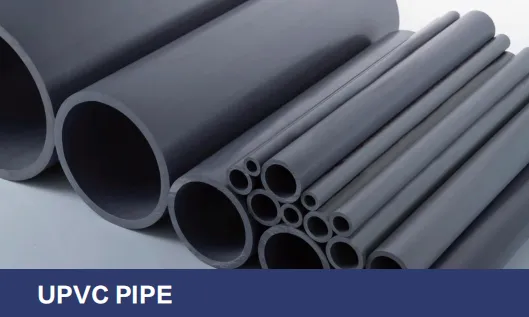
Construction projects—whether a small residential building or a sprawling commercial complex—are only as strong as the materials that hold them together. When it comes to plumbing and infrastructure, few components are as critical as piping systems. A single faulty pipe can lead to leaks, water damage, project delays, and even safety hazards that haunt the structure for years. That's why choosing the right UPVC pipe supplier isn't just a purchasing decision; it's a strategic investment in the project's success, durability, and reputation.
But what separates a reliable UPVC pipe supplier from one that might leave you scrambling to fix issues down the line? It's not just about low prices or a flashy catalog. The best suppliers bring a combination of product excellence, technical know-how, and customer commitment that turns transactions into long-term partnerships. In this article, we'll dive into the key qualities that define a trustworthy supplier, exploring how they deliver value beyond the invoice—whether through robust UPVC pipe solutions , expertise in complementary products like PVC DWV pipes, or a track record of supporting projects from blueprint to completion.
At the heart of any reputable UPVC pipe supplier lies an unwavering commitment to product quality. UPVC (Unplasticized Polyvinyl Chloride) pipes are prized in construction for their durability, corrosion resistance, and cost-effectiveness—but these benefits only hold if the pipes themselves are made to last. A reliable supplier doesn't cut corners here; they start with high-grade raw materials and follow rigorous manufacturing standards to ensure every pipe meets or exceeds industry expectations.
Consider the raw materials: Virgin UPVC resin, free from contaminants, is non-negotiable. Recycled or low-quality resin can weaken the pipe's structural integrity, making it prone to cracking under pressure or degrading when exposed to chemicals. A trustworthy supplier will openly share details about their material sourcing, often partnering with certified resin producers to guarantee consistency. For example, leading UPVC pipe solutions providers subject their raw materials to third-party testing, verifying properties like melt flow rate and impact strength before production even begins.
Manufacturing processes matter too. State-of-the-art extrusion lines with precise temperature control ensure uniform wall thickness—a critical factor for pressure handling. Imagine a high-rise building where water must be pumped to the 20th floor; uneven wall thickness in UPVC pipes could lead to pressure imbalances, leaks, or even burst pipes. Reliable suppliers invest in advanced machinery and regular maintenance to avoid such flaws. They also conduct in-line testing, such as ultrasonic thickness checks and dimensional inspections, to catch issues before pipes leave the factory.
Post-production testing is another hallmark of quality. Reputable suppliers don't just rely on visual checks; they subject pipes to rigorous performance tests. Hydrostatic pressure testing, for instance, involves pressurizing pipes their rated capacity (often 1.5 times the working pressure) for extended periods to ensure they don't leak or deform. Impact testing, especially at low temperatures, simulates harsh weather conditions to confirm the pipes won't become brittle and crack. For specialized applications, like chemical transport or high-temperature environments, additional tests for chemical resistance and thermal stability are standard.
The difference in quality becomes clear when you compare a subpar pipe to one from a reliable UPVC pipe supplier . A cheap pipe might save money upfront, but it could fail within a few years, requiring costly repairs and disrupting building operations. In contrast, a high-quality UPVC pipe can last 50 years or more, reducing lifecycle costs and giving project owners peace of mind. As one construction manager put it: "I've seen projects where cutting corners on pipes led to mold growth in walls and insurance claims. Now, I only work with suppliers who can show me their test reports—no exceptions."
A great UPVC pipe supplier isn't just a vendor—they're a technical partner. Construction projects rarely fit into a one-size-fits-all mold, and the best suppliers understand that. They employ teams of engineers and product specialists who can guide customers through the complexities of pipe selection, installation, and maintenance, ensuring the right solution for every unique challenge.
Take, for example, a scenario where a contractor is building a mixed-use development with residential apartments, retail spaces, and a basement parking garage. The plumbing needs here are diverse: potable water supply, drainage systems, sewage lines, and maybe even irrigation for landscaping. A supplier with technical expertise won't just push UPVC pipes for every application; they'll assess the project's specific requirements and recommend a tailored approach. For instance, they might suggest UPVC pipe solutions for the main water supply due to their corrosion resistance, while recommending PVC DWV pipe solutions (Drainage, Waste, and Vent) for the drainage system, as these are designed to handle gravity-fed waste and vent gases safely.
This level of guidance is especially valuable for newer or less experienced contractors. Imagine a small-scale builder tackling their first commercial project; they might not know that UPVC pipes have different pressure ratings (e.g., PN10, PN16) or that PVC DWV pipes require specific slope calculations to prevent clogs. A knowledgeable supplier's team will explain these details, provide installation guides, and even offer on-site training for the contractor's crew. They might also collaborate with the project's engineers to review blueprints, flagging potential issues like undersized pipes for high-flow areas or incompatible materials that could cause chemical reactions.
Technical expertise also extends to staying ahead of industry trends and innovations. For example, as green building standards become more stringent, suppliers are increasingly offering UPVC pipes made with recycled content (without compromising strength) or designed for easier recycling at the end of their lifecycle. A forward-thinking supplier will educate customers on these options, helping them meet sustainability goals without sacrificing performance. Similarly, when new materials like PPR (Polypropylene Random Copolymer) pipes gain popularity for hot water systems due to their heat resistance, a versatile supplier might expand their offerings to include PPR pipe and fitting solutions , ensuring they can meet all of a project's plumbing needs under one roof.
The mark of true expertise? A supplier that asks questions before making recommendations. Instead of immediately quoting prices, they'll inquire about the project's purpose (residential vs. commercial), the type of fluid being transported (water, chemicals, waste), operating conditions (temperature, pressure), and local building codes. This consultative approach ensures the solution aligns with the project's long-term needs, not just the supplier's inventory.
Construction projects are complex, and their piping needs are rarely limited to a single product. A reliable UPVC pipe supplier understands this and goes beyond offering just UPVC pipes—they provide a full suite of complementary solutions that cover the entire plumbing lifecycle. This breadth of offerings not only simplifies procurement (one supplier instead of multiple) but also ensures compatibility between products, reducing the risk of leaks or system failures.
Let's break down what a comprehensive range might look like. At the core are, of course, UPVC pipe solutions in various sizes (from 16mm to 630mm or more), pressure ratings, and configurations (plain-end, socketed, or flanged) to suit everything from residential water lines to industrial process piping. But a top supplier will also stock PVC DWV pipes —critical for drainage systems in homes, offices, and hospitals—designed with smooth inner walls to minimize clogs and vents to release sewer gases. For hot water applications, where UPVC might not be ideal due to temperature limitations, they might offer PPR pipe and fitting solutions , which can handle temperatures up to 95°C and are resistant to scale buildup.
Fittings are another essential part of the package. A pipe is only as good as its connections, so the supplier should offer a full range of UPVC fittings—elbows, tees, reducers, valves, and couplings—made from the same high-quality material as the pipes. This ensures a tight, leak-proof seal and consistent performance across the system. For example, a 90-degree elbow made from subpar plastic could crack under pressure, even if the pipe itself is strong. By sourcing fittings from the same supplier, contractors avoid mismatched materials and ensure compatibility.
To illustrate the value of a comprehensive range, let's consider a hospital construction project. Hospitals have unique plumbing demands: strict hygiene standards, fire safety regulations, and the need for reliable water and waste systems. A supplier with a broad portfolio could provide UPVC pipes for cold water supply, PPR pipes for hot water lines, PVC DWV pipes for drainage, and even specialized valves and couplings that meet medical-grade sterility requirements. They might also offer accessories like pipe supports, insulation, and installation tools, making it a one-stop shop for the project's plumbing needs. This not only saves the contractor time (no need to coordinate with multiple vendors) but also ensures all components work together seamlessly—reducing the risk of delays or errors during installation.
Below is a comparison table highlighting common pipe types, their typical applications, and how a comprehensive supplier would support each:
| Pipe Type | Primary Applications | Key Features | Supplier Support |
|---|---|---|---|
| UPVC Pipes | Potable water supply, irrigation, industrial fluid transport (non-corrosive) | High strength, corrosion-resistant, low friction loss, cost-effective | Custom lengths, pressure-rated options (PN10/PN16), full fitting range, installation guides |
| PVC DWV Pipes | Drainage, waste, and vent systems in residential, commercial, and institutional buildings | Smooth inner walls to prevent clogs, chemical resistant, lightweight | Compliance with ASTM D2665, slope calculation support, venting solutions |
| PPR Pipes & Fittings | Hot and cold water supply, radiant heating systems, solar water lines | Heat resistant (up to 95°C), weldable joints for leak-proof connections, scale-resistant | Fusion welding training, temperature-specific ratings, compatibility with UPVC systems |
By offering this range, a UPVC pipe supplier positions itself as a partner invested in the project's success. They understand that contractors and project managers have enough on their plates without juggling multiple material suppliers, and they strive to make the procurement process as smooth as possible.
In construction, compliance isn't optional—it's a legal and ethical obligation. Piping systems, in particular, are subject to strict industry standards and building codes designed to protect public health, safety, and the environment. A reliable UPVC pipe supplier doesn't just claim to meet these standards; they back it up with certifications, documentation, and a transparent commitment to regulatory adherence.
Industry standards vary by region and application, but some of the most widely recognized include ASTM (American Society for Testing and Materials), DIN (Deutsches Institut für Normung), and ISO (International Organization for Standardization). For example, UPVC pipes used in potable water systems must often comply with ASTM D1785, which specifies requirements for dimensions, pressure ratings, and material properties. PVC DWV pipe suppliers , on the other hand, typically adhere to ASTM D2665, which outlines standards for drainage, waste, and vent pipes. These standards aren't just guidelines; they're developed by experts to ensure pipes can withstand real-world conditions and perform safely over time.
Certifications from third-party organizations add another layer of credibility. Look for suppliers whose products are certified by bodies like NSF International (which verifies compliance with drinking water safety standards), UL (Underwriters Laboratories, for fire and safety ratings), or SGS (a global leader in inspection and certification). For instance, an NSF/ANSI 61 certification ensures that UPVC pipes don't leach harmful chemicals into drinking water—a critical feature for residential and commercial buildings. A supplier that can produce these certifications on demand demonstrates accountability and a commitment to quality.
Compliance also extends to manufacturing processes. Reputable suppliers often hold ISO 9001 certifications, which indicate they follow strict quality management systems (QMS) throughout production. This means everything from raw material sourcing to final testing is documented, monitored, and continuously improved. For example, an ISO 9001-certified UPVC pipe supplier will have procedures in place to track batches of resin, record extrusion parameters, and log test results—making it easy to trace any issues back to their source and prevent recurrence.
Local building codes are another critical consideration. What works in one country or region might not comply with regulations elsewhere. For example, in Saudi Arabia, where extreme temperatures and sandstorms are common, Saudi Arabia building materials suppliers must ensure their UPVC pipes can withstand UV radiation and thermal expansion/contraction. A reliable supplier will be familiar with local codes and can help customers navigate them, ensuring projects pass inspections without delays. They might even offer region-specific products, like UV-stabilized UPVC pipes for desert climates or fire-retardant options for high-rise buildings in urban areas.
The consequences of non-compliance are severe. A project using uncertified pipes could fail inspections, requiring costly rework. In the worst cases, non-compliant pipes could fail catastrophically, leading to water damage, mold, or health risks for occupants. Contractors and developers could face legal liability, reputational damage, and financial losses. That's why smart project managers prioritize suppliers who can prove compliance through documentation, certifications, and a history of passing third-party audits.
In construction, time is money—and nowhere is that truer than in material delivery. A project schedule can derail quickly if pipes don't arrive on time, leaving crews idle and deadlines slipping. A reliable UPVC pipe supplier understands this urgency and maintains a supply chain that's resilient, flexible, and committed to on-time delivery, even when faced with disruptions.
At the core of a strong supply chain is strategic warehousing. Top suppliers maintain multiple distribution centers, often located in key construction hubs, to ensure quick access to inventory. For example, a supplier operating in Saudi Arabia might have warehouses in Riyadh, Jeddah, and Dammam, allowing them to deliver pipes to projects across the country within 24–48 hours. This regional presence minimizes transit times and reduces the risk of delays due to long-distance shipping or logistical bottlenecks.
Inventory management is another critical factor. A supplier with poor inventory control might overpromise and underdeliver, telling you they have 1000 meters of 110mm UPVC pipe in stock only to discover it's backordered. Reliable suppliers use advanced inventory management software to track stock levels in real time, updating availability across all locations and alerting teams when reordering is needed. They also maintain safety stocks of high-demand items, ensuring they can fulfill urgent orders even during peak construction seasons.
Flexibility is key when projects change. Maybe a contractor underestimates the number of PVC DWV pipes needed for a commercial kitchen, or a design revision requires larger UPVC pipes than initially planned. A rigid supplier might stick to strict lead times, forcing the project to wait weeks for the revised order. A reliable supplier, however, will go the extra mile to accommodate changes—expediting production, shifting inventory from another warehouse, or even partnering with sister companies to source hard-to-find items. As one contractor noted: "We had a last-minute change on a hospital project, needing 50 additional meters of PPR pipe within three days. Our supplier pulled it from their Dubai warehouse and had it delivered by air—saved us from a two-week delay."
Transparency in communication is also vital. No supply chain is perfect, and delays can happen due to factors like raw material shortages, port congestion, or transportation issues. The difference lies in how the supplier handles these setbacks. A trustworthy UPVC pipe supplier will communicate proactively, alerting customers to potential delays as soon as they're identified and offering solutions—whether that's substituting a compatible product, adjusting delivery schedules, or providing regular updates until the issue is resolved. This transparency builds trust and allows project managers to adjust their plans accordingly.
Sustainability is increasingly becoming part of supply chain reliability, too. Modern construction projects prioritize eco-friendly practices, and suppliers with green supply chains are better positioned to meet these demands. For example, a supplier that uses fuel-efficient delivery trucks, optimizes routes to reduce carbon emissions, or sources raw materials from sustainable suppliers aligns with the project's environmental goals. This not only helps the planet but also enhances the supplier's reputation as a forward-thinking partner.
A transactional supplier sells you pipes and disappears. A reliable UPVC pipe supplier stays with you long after the invoice is paid, offering support that turns first-time buyers into lifelong customers. This commitment to service spans the entire customer journey—from the initial inquiry to post-installation follow-up—and makes a tangible difference in project success.
It starts with the quoting process. Instead of sending a generic price list, a customer-focused supplier takes the time to understand your project's needs. They'll ask about pipe sizes, quantities, pressure requirements, and delivery timelines, then provide a detailed quote that includes all costs (no hidden fees for delivery or fittings). If you're unsure about which product to choose, they'll walk you through options, explaining the pros and cons of UPVC vs. PPR or PVC DWV pipes for your specific application. For example, a supplier might suggest UPVC pipe solutions for a residential water line but recommend PPR for a hotel's hot water system, based on the building's usage patterns and local climate.
Order management is another area where great customer support shines. Once an order is placed, the supplier provides clear documentation—order confirmations, delivery schedules, and tracking information—so you always know where your pipes are. If you need to adjust the order (e.g., add more fittings or change the delivery date), they're responsive and flexible, making the process as smooth as possible. Many top suppliers also offer online portals where customers can track orders, view invoices, and access product documentation (like test reports or certifications) 24/7—saving time and reducing paperwork.
Technical support doesn't end after delivery. Even the best pipes can present installation challenges, especially in complex projects. A reliable supplier offers ongoing technical assistance, with experts available by phone, email, or even on-site visits. For example, if a crew is struggling to weld PPR fittings correctly, the supplier might send a technician to demonstrate proper fusion techniques. Or if a leak occurs during testing, their team can help diagnose the issue—whether it's a faulty fitting, improper installation, or a design flaw—and recommend solutions.
Post-installation support is equally important. Many suppliers offer warranties on their products, covering defects in materials or workmanship for years after installation. But great support goes beyond warranties. They might follow up a few months after delivery to ensure the pipes are performing as expected, or check in after a major storm to see if any UV-stabilized UPVC pipes need inspection. This level of care shows the supplier values your success, not just the sale.
A leading construction firm was building a 200-bed hospital in Riyadh, with a tight deadline to open before the start of the next fiscal year. The project required a mix of UPVC pipes for water supply, PVC DWV pipes for drainage, and PPR pipes for hot water lines. Three weeks before the plumbing installation was scheduled to begin, their original pipe supplier informed them of a four-week delay due to a production issue—threatening to push the project past its opening date.
Desperate, the contractor reached out to a UPVC pipe supplier they'd worked with on smaller projects. The supplier's team immediately sprang into action: they checked their inventory and found they had enough UPVC and PVC DWV pipes in their Riyadh warehouse to cover the hospital's needs. For the PPR pipes, which were in short supply locally, they coordinated with their parent company in Dubai, arranging for a special delivery via road within 48 hours. A technical representative also visited the site to review the installation plans, suggesting a few adjustments to the PPR pipe layout to improve flow and reduce the risk of leaks.
Thanks to the supplier's quick response and technical support, the plumbing installation began on schedule, and the hospital opened on time. The contractor later noted: "Their ability to pivot, deliver quickly, and provide expert advice turned a potential disaster into a success. We've been partnering with them ever since."
Choosing a UPVC pipe supplier is about more than comparing prices or ticking boxes on a product list. It's about finding a partner who brings quality, expertise, and reliability to every aspect of the relationship—from the first quote to long after the project is complete. The key qualities we've explored—uncompromising product quality, technical expertise, a comprehensive range of solutions, compliance with standards, a reliable supply chain, and exceptional customer support—aren't just nice-to-haves; they're the foundation of a supplier that will help your projects succeed, stay on schedule, and stand the test of time.
In a construction industry where margins are tight and risks are high, the right supplier becomes an extension of your team. They anticipate challenges, offer solutions, and take pride in your project's success as if it were their own. Whether you're building a residential complex, a commercial tower, or a critical infrastructure project like a hospital or school, the reliability of your UPVC pipe solutions and the supplier behind them will shape the project's durability, safety, and long-term value.
So, the next time you're evaluating pipe suppliers, look beyond the catalog. Ask about their testing processes, technical support, and supply chain resilience. Request references from past clients and review their certifications. The answers will tell you whether you're dealing with a vendor or a true partner—one that will help you build better, smarter, and more successfully.
Recommend Products












