


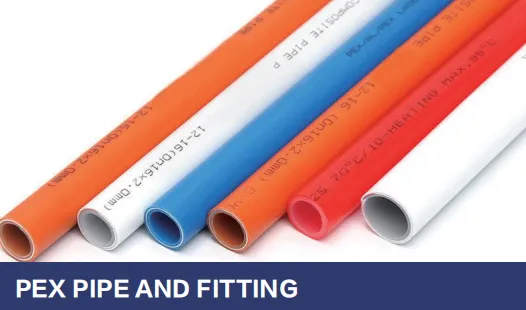
At the heart of any trustworthy PEX pipe and fitting supplier is an unwavering commitment to product quality. PEX pipes aren't just pieces of plastic—they're critical components that carry water, heat, and gas in buildings where safety and longevity are non-negotiable. A reliable supplier knows this, which is why they invest in premium raw materials and rigorous manufacturing processes.
So, what should you look for? Start with the basics: the cross-linking method. PEX pipes are categorized by their cross-linking process—PEX-A, PEX-B, and PEX-C—each with unique properties. A reputable supplier will clearly state which type they offer and explain how it suits different applications. For example, PEX-A, known for its exceptional flexibility and resistance to kinking, is ideal for tight spaces in residential plumbing, while PEX-B might be preferred for commercial projects where cost-efficiency and durability are key.
Beyond the type, examine the pipe's resistance to common stressors: high temperatures (critical for radiant heating systems), chemical corrosion (important for areas with hard water), and pressure tolerance (vital for multi-story buildings). A quality PEX pipe should withstand temperatures up to 200°F (93°C) and pressures ranging from 80 to 100 psi, depending on the application. Inferior pipes, on the other hand, might crack under thermal expansion or leach chemicals into the water supply—risks no project can afford.










