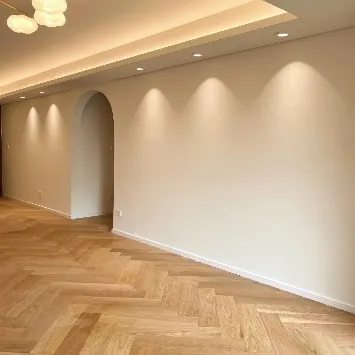
Lighting is the silent salesperson in retail spaces. When it comes to specialty stores showcasing unique products, proper illumination isn't just a utility—it's a strategic tool that shapes customer experiences and drives conversions. Magnetic
track lighting systems have revolutionized how we approach retail lighting, combining precision and adaptability like never before.
The Retail Lighting Revolution
Remember the days of static, inflexible lighting that trapped your product displays in fixed positions? Those limitations are history with today's magnetic track systems. Unlike conventional lighting that forces you to design around fixtures, magnetic tracks adapt to your evolving merchandise and layout changes.
Traditional spotlights required tools, electricians, and significant downtime just to reposition lights. Magnetic systems transform this process into a simple snap-and-go operation. Rotate, slide into any position, and make adjustments in seconds using just one hand. Suddenly, your lighting strategy becomes as dynamic as your inventory changes.
Core Components Simplified
Power Tracks
Low-voltage aluminum channels (typically 24V-48V) carrying electricity. Modern options come as slim as 0.8" for near-invisible integration.
Magnetic Adapters
The magic connection point using N42-grade neodymium magnets that create secure physical holds with audible "clicks."
Light Modules
Spotlights, linear bars, wall washers, pendant lights - mix and match based on product types and display needs.
Smart Drivers
Central power converters enabling dimming protocols like DALI, 0-10V, and wireless controls (Zigbee, Tuya, Casambi).
Why Magnetic Systems Win for Retail
Dynamic Product Highlighting
Rotate spotlights 360° to accommodate seasonal rotations. Snap lights closer for new arrivals or adjust spacing during clearance events.
Zoning Without Construction
Create distinct illumination zones for different product categories using varied lighting temperatures and beam angles.
Adaptable Accent Lighting
Combine 15° spot beams for jewelry displays with 36° flood lighting for apparel racks on the same track system.
Future-Proof Upgrades
Swap modules when LED tech improves without rewiring. Most systems support backward compatibility for years.
The Safety Advantage
SELV (Safety Extra Low Voltage) operation makes these systems ideal for customer-accessible displays. Unlike 120V systems, the 48V standard poses minimal shock risk even with exposed conductors. Some manufacturers like KLM further enhance safety with gold-plated connectors and secondary mechanical locks to prevent accidental detachment—especially important when lighting hangs above expensive merchandise.
Selecting Your Track System
|
Track Type
|
Best For
|
Installation
|
Visual Impact
|
|
Recessed
|
High-end boutiques, minimalist spaces
|
Requires ceiling channel, professional install
|
Discreet, integrated look
|
|
Trimless Recessed
|
Luxury stores, gallery-like environments
|
Plaster-in professional install
|
Seamless flush finish
|
|
Surface-Mounted
|
Retrofit projects, concrete ceilings
|
Simplest installation, DIY possible
|
Visible profile, industrial aesthetic
|
|
Pendant
|
High-ceiling spaces, statement lighting
|
Suspension rods/wires, professional
|
Architectural feature
|
Lighting Techniques by Product Type
Textile & Apparel
Use 90+ CRI modules revealing true colors. Layer overhead linear lights with adjustable spotlights angled at 45° to create depth on folded displays.
Jewelry & Watches
Narrow 10°-15° beams create dramatic sparkle. Position lights within 18" of cases with 3000K CCT enhancing gold tones. Anti-glare optics prevent showcase reflections.
Electronics
Combine cool white (4000K) task lighting on spec tags with warmer (2700K) ambient glow. Wall-wash modules eliminate screen glare on display devices.
Artisanal Goods
Pendant lights at varying heights create intimacy. Use track-mounted framing projectors with adjustable shutters to precisely illuminate artwork.
Smart Control Strategies
Circadian Programming
Automatically shift from energizing 4000K mornings to cozy 2700K evenings matching natural rhythms.
Preset Scene Control
One-touch transitions between 'Open Store' (100% brightness), 'Product Focus' (accent lighting), and 'Closing' (security lighting) scenes.
Zone Management
Independently control window displays, checkout areas, and fitting rooms via smartphone apps or wall panels.
Energy Monitoring
Real-time dashboards tracking consumption by section, enabling targeted efficiency improvements.
Installation & Maintenance Insights
Professional installation remains critical for recessed systems, but surface tracks offer DIY potential. Key considerations:
-
Power Planning
- Calculate total wattage (add 20% buffer) when selecting drivers. For 20x 10W modules, use 250W+ driver
-
Wire Management
- Surface tracks become design elements when routed parallel to architectural features
-
Access Planning
- Locate drivers in accessible locations (storage rooms, above drop ceilings)
-
Modular Maintenance
- Swap malfunctioning modules in seconds without closing displays
-
Cleaning
- Microfiber cloths maintain optical clarity without chemicals damaging finishes
Cost Considerations for 2025
While premium systems cost $150-$400 per linear foot installed (including modules), they deliver measurable ROI:
Labor Savings
$300 average electrician fee eliminated for display changes
Energy Reduction
60-70% less consumption than halogen equivalents
Merchandise Impact
30%+ sales lift reported for properly illuminated premium goods
Longevity
50,000+ hour LED lifespan minimizes replacement costs
Future-Proofing Your Lighting
2025 brings exciting developments specifically valuable for specialty retailers:
-
Miniaturization
- 0.6" tracks becoming available with equally slim magnetic connectors
-
Advanced Optics
- Motorized zoom modules (15°-60°) adjustable via app without ladder access
-
Sustainability
- Recycled aluminum tracks and biodegradable packaging options
-
Li-Fi Integration
- Experimental data-over-lighting for in-store navigation and product info
-
Enhanced Rendering
- 98+ TM-30 color fidelity indexes approaching natural daylight quality
Implementation Checklist
Avoid these common missteps when transitioning to magnetic track systems:
|
Potential Mistake
|
Prevention Strategy
|
Consequence If Ignored
|
|
Inadequate Power
|
Sum all modules + 20% buffer before driver selection
|
Flickering, premature failure, voided warranties
|
|
Module Overloading
|
Respect track wattage limits (typically 120W/line)
|
Overheating, damage to track connectors
|
|
Ignoring Beam Spread
|
10-15° spots for jewelry, 24-36° floods for displays
|
Insufficient coverage or harsh spotlighting
|
|
Bad Color Consistency
|
Request SDCM<3 MacAdam ellipses on all modules
|
Patchy, uneven lighting across product displays
|
|
Forgetting Smart Integration
|
Plan wiring for smart controls during installation
|
Costly retrofits for future automation
|
Transforming Retail Experiences
Effective lighting for specialty stores combines precision, flexibility, and reliability. Magnetic track systems empower retailers to create museum-quality displays that evolve with their inventory. The difference isn't subtle - properly illuminated products appear more desirable, textures become tactile, and colors gain vibrancy that pulls customers deeper into the shopping experience.
Looking forward, magnetic track systems form the backbone of integrated
architectural lighting solutions, combining with responsive displays and smart retail technologies. The stores that master these lighting techniques won't just illuminate products—they'll create immersive brand experiences that turn browsers into buyers and casual shoppers into devoted customers.