
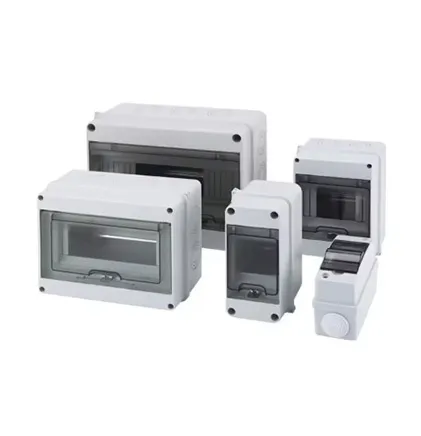
Finding the right overseas distribution box supplier feels like navigating a maze blindfolded. You know the stakes—one wrong turn could mean production delays, quality nightmares, or logistical headaches that haunt you for months. But what if you had a compass? A clear set of indicators that cut through the noise and spotlight suppliers who truly deliver? Let's explore what really matters when vetting global partners for these critical infrastructure components.
Walk past the shiny brochures and ask: "Show me how you build resilience into every box." Top suppliers embed durability testing into their daily rhythm—salt spray chambers humming 24/7, vibration simulators shaking components like earthquakes, UV exposure racks baking finishes under artificial suns. When visiting factories, notice the details: Are technicians measuring junction box wall thickness with digital calipers? Is there traceability from raw metals to finished products?
One European utility company learned this the hard way when cheap polymer enclosures from an unvetted Asian supplier cracked during a mild frost. The replacement cost? 300% higher than their original "bargain."
Certification isn't paperwork—it's a language of trust. Your supplier must fluently speak IEC 62208 for enclosure standards, UL 50 for environmental testing, and ATEX directives for explosive atmospheres. But don't just collect certificates like stamps in a passport. Ask:
A Middle Eastern telecom firm avoided disaster by discovering during an onsite audit that their "IP68-rated" supplier had changed gasket materials without notification—a 6-month production pause averted.
Hidden supply chains breed hidden risks. The magic happens when suppliers reveal their ingredient list like a master chef:
Demand material passports with forensic-level detail. When a Caribbean utility asked for zinc layer thickness reports on galvanized components, only 2 of 7 suppliers could comply immediately.
The true test comes when plans implode. Your supplier shouldn’t just react—they should anticipate:
Scenario:
Port strikes delay your shipment. A mature partner already has:
• Pre-vetted alternate logistics partners
• Container tracking with predictive delay algorithms
• Buffer stock at regional hubs
• Multi-modal transport plans (rail/air/road)
One savvy supplier even developed modular enclosures with interchangeable parts after noticing clients struggled with long repair cycles—now damaged components ship via air while main units travel sea freight.
Forget call centers. World-class support looks like:
- Field technicians carrying your custom enclosure CAD models on AR headsets
- Distribution box "health monitoring" via embedded IoT sensors
- Spare parts depots mapped to your project sites
A solar farm operator in Chile shares how their supplier’s predictive maintenance saved $200K: "They spotted abnormal temperature patterns in junction boxes before failures occurred—sent technicians with replacement parts before we even filed a ticket."
Sustainability isn't a checkbox—it's measurable engineering:
The most innovative suppliers now partner with clients on circular economy models—take-back programs where end-of-life enclosures get refurbished or recycled, reducing TCO by 18-27%.
True partners map hidden value rivers:
• How cable routing features reduce installation time by X hours
• How standardized footprints save warehouse space
• How corrosion resistance extends service intervals
During negotiations, challenge them: "Show me your total cost-of-ownership calculator." One railway project discovered that 17% higher-priced enclosures delivered 40% lower lifecycle costs due to reduced maintenance.
In our connected grid era, junction boxes aren't dumb metal anymore. Your supplier must design for cyber-resilience:
A North American utility now mandates penetration testing reports for all enclosure electronics—a requirement that eliminated 60% of potential suppliers immediately.
Ultimately, partnerships thrive on human truth. When touring facilities, notice the unscripted moments:
- Do engineers’ eyes light up discussing material innovations?
- How do line workers handle "non-conforming" parts?
- Does leadership articulate trade-offs between cost and durability?
One procurement veteran shares her golden test: "I ask for lunch in the factory cafeteria. If managers eat separately from workers, we walk. Culture shows in who shares tables."
The best overseas distribution box suppliers blend technical rigor with human ingenuity—where ISO documents breathe in sync with problem-solving spark. When you find that rare combination, you’ve found more than a vendor; you’ve found a growth partner.
Recommend Products












