
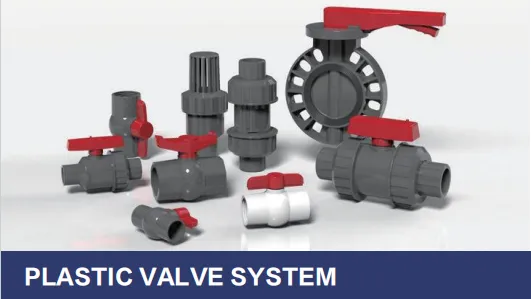
When it comes to building or renovating a structure—whether it's a residential complex, a commercial office, or a public facility like a school or hospital—the unsung heroes of the project are often the systems hidden behind walls and under floors: the plumbing, drainage, and fluid management networks. At the heart of these networks lie plastic valve systems, critical components that control the flow of water, waste, and other fluids. Choosing the right plastic valve system solutions isn't just about picking a product off a shelf; it's about ensuring your project's efficiency, safety, and longevity. In this guide, we'll walk through the key factors you need to consider to make an informed decision, helping you avoid costly mistakes and set your project up for success.
Before diving into the factors, let's clarify what we mean by "plastic valve system solutions." These aren't standalone valves—they're comprehensive systems that include valves, pipes, fittings, and often technical support, designed to work together seamlessly. From controlling water flow in a residential kitchen to managing industrial fluid processes, plastic valve systems are favored for their durability, corrosion resistance, and cost-effectiveness compared to metal alternatives. Today, suppliers offer specialized solutions tailored to specific needs, such as PVC DWV pipe solutions for drainage systems or PPR pipe and fitting solutions for hot and cold water networks. But with so many options, how do you narrow it down?
The first rule of selecting plastic valve system solutions is simple: the material of the valve must be compatible with the fluid it will control. Plastics like PVC, PPR, PE (polyethylene), and CPVC each have unique properties that make them suitable for specific applications. Using the wrong material can lead to leaks, degradation, or even system failure.
Polyvinyl chloride (PVC) is a workhorse in the industry, known for its strength and resistance to chemicals. PVC DWV pipe solutions (DWV stands for Drain, Waste, Vent) are a staple in residential and commercial drainage systems because they handle wastewater, sewage, and vent gases efficiently without corroding. However, PVC isn't recommended for hot water applications—exposure to high temperatures can cause it to become brittle over time.
Polypropylene random copolymer (PPR) is a favorite for plumbing systems that carry hot and cold drinking water. PPR pipe and fitting solutions are heat-resistant (up to 95°C in some cases), non-toxic, and have smooth inner walls that reduce pressure loss and prevent scale buildup. If your project involves a hospital, school, or residential building where safe, reliable hot water is a priority, PPR valves and pipes are likely your best bet.
Polyethylene (PE) valves and pipes are prized for their flexibility and impact resistance, making them ideal for underground installations like water mains or irrigation systems. They can withstand soil movement and freezing temperatures without cracking, though they're less common in indoor plumbing due to their lower rigidity compared to PVC or PPR.
The takeaway? Start by identifying the fluid type (potable water, wastewater, chemicals), temperature range, and environmental conditions (indoor vs. outdoor, buried vs. exposed). A reputable plastic valve system supplier can help you match the right material to your needs—but only if you're clear on the application first.
Imagine installing a valve rated for 100 psi (pounds per square inch) in a system that operates at 150 psi. The result? A catastrophic failure, water damage, and costly repairs. That's why pressure and temperature ratings are non-negotiable when evaluating plastic valve system solutions.
Valves and pipes are rated by their pressure capacity, often marked as PN (Pressure Nominal) or Schedule (SCH). PN ratings (e.g., PN10, PN16) indicate the maximum pressure the component can handle at 20°C, while Schedule ratings (e.g., SCH40, SCH80) refer to wall thickness—thicker walls mean higher pressure tolerance. For example, a PN16 valve can withstand 16 bar (≈232 psi) at room temperature, making it suitable for medium-pressure systems like commercial building plumbing.
Remember that pressure ratings drop as temperatures rise. A valve rated for PN16 at 20°C might only handle PN10 at 60°C. If your project involves hot water (like a hotel's heating system) or industrial fluids, always check the manufacturer's temperature-pressure chart to ensure the valve can perform under your system's operating conditions. Ignoring this is like buying a car with a top speed of 100 mph and expecting it to race at 150 mph—it won't end well.
In construction, cutting corners on compliance is never worth the risk. Plastic valve system solutions must meet strict industry standards to ensure safety, reliability, and legal compliance. These standards are set by organizations like ASTM International, DIN (German Institute for Standardization), and ISO (International Organization for Standardization), and they cover everything from material composition to performance testing.
For example, PVC pipes and valves used in drainage systems should comply with ASTM D2665 (for PVC DWV pipe solutions), while PPR products often adhere to DIN 8077/8078. If your project is in a country like Saudi Arabia, you might also need to meet local regulations, such as SASO (Saudi Arabian Standards Organization) requirements. A valve that lacks certification isn't just a liability—it could also void your project's insurance or lead to fines.
In sensitive settings like hospitals or schools, additional certifications matter. For instance, valves and pipes used in healthcare facilities must be non-toxic and resistant to bacteria growth. While we're focusing on plastic valve system solutions here, it's worth noting that complementary products like Class A fireproof CPL inorganic boards (used in walls) also require strict compliance—but that's a topic for another day. The key point: always ask your supplier for certification documents, and verify them independently if possible.
Even the best valve material or design won't save your project if your supplier is unreliable. A reputable plastic valve system supplier is more than a vendor—they're a partner who can guide you through product selection, offer technical support, and stand behind their products after installation. Here's what to look for:
Opt for suppliers who specialize in plastic valve system solutions and offer a wide range of products. This ensures they can provide everything you need—valves, pipes, fittings—in one place, simplifying procurement and reducing the risk of compatibility issues. For example, a supplier that carries both PVC DWV pipe solutions and PPR pipe and fitting solutions can help you coordinate systems across your project.
A good supplier doesn't just sell products—they solve problems. Do they have engineers on staff who can answer questions about pressure ratings or material compatibility? Can they provide installation guides or on-site training for your team? Avoid suppliers who rush you into a sale without understanding your project's unique needs.
Check online reviews, ask for references, or talk to other contractors in your industry. A supplier with a track record of timely deliveries, consistent quality, and responsive customer service is worth their weight in gold. Steer clear of suppliers with frequent complaints about delayed shipments or defective products—these are red flags for project delays.
It's tempting to opt for the lowest-priced plastic valve system solutions to cut costs, but this is often a false economy. A valve that costs 20% less upfront might fail in 5 years, requiring replacement and repairs that end up costing 10 times more than the initial savings. Instead of focusing solely on price, evaluate the total cost of ownership (TCO), which includes:
In short, prioritize value over cost. A slightly higher upfront investment in quality plastic valve system solutions will pay off in fewer repairs, lower energy costs, and peace of mind.
| Material | Typical Applications | Max Temperature | Max Pressure (PN Rating) | Key Standards |
|---|---|---|---|---|
| PVC (DWV) | Drainage, waste, vent systems | 40°C (104°F) | PN10-PN16 | ASTM D2665, DIN 11852 |
| PPR | Hot/cold potable water, hydronic heating | 95°C (203°F) | PN10-PN25 | DIN 8077/8078, ISO 15874 |
| PE | Underground water mains, irrigation | 60°C (140°F) | PN6-PN20 | ISO 4427, ASTM D2239 |
Let's look at a real-world example (with names changed for privacy). A contractor was hired to renovate a 10-story office building in Riyadh, Saudi Arabia, including updating the plumbing system. To cut costs, they sourced cheap PVC valves from an unknown supplier for the hot water lines—ignoring warnings that PVC isn't suitable for high temperatures. Within six months, tenants reported leaks in the walls, and an inspection revealed the valves had cracked due to hot water exposure, causing mold growth and water damage. The contractor had to redo the entire system, costing three times the original budget.
On their next project, a hospital expansion, they partnered with a reputable plastic valve system supplier who recommended PPR pipe and fitting solutions for the hot water lines and PVC DWV pipe solutions for drainage. The supplier provided technical drawings, certified the products met SASO standards, and even sent engineers to oversee installation. The system has now been running smoothly for three years with zero issues. The lesson? Cutting corners on valves and suppliers leads to disaster; investing in quality plastic valve system solutions saves time, money, and reputation.
Selecting plastic valve system solutions is a decision that impacts every aspect of your project, from construction efficiency to long-term performance. By prioritizing material compatibility, pressure/temperature ratings, compliance, supplier reliability, and cost-effectiveness, you can ensure your fluid management systems are safe, efficient, and built to last. Remember, the goal isn't just to "get the job done"—it's to build a system that serves your project for decades. So take the time to research, ask questions, and partner with suppliers who understand your needs. Your future self (and your budget) will thank you.
Recommend Products












