

In the world of modern architecture and interior design, the choice of wall materials can make or break a project's success. Among the many options available, MCM (Mineral Composite Material) flexible cladding stone wall panels have emerged as a standout choice for both interior and exterior applications. Their unique blend of durability, flexibility, and aesthetic appeal has made them a favorite among architects, contractors, and homeowners alike. But with so many suppliers and products on the market—from local vendors to international distributors—it's easy to feel overwhelmed. How do you ensure you're choosing the right MCM panels for your specific needs? Let's dive into the key factors that should guide your decision, helping you navigate the process with confidence and clarity.
At the heart of any MCM flexible cladding stone wall panel is its material composition. These panels are typically made from a mix of natural minerals, polymers, and reinforcing fibers, designed to mimic the look of natural stone while offering enhanced performance. But not all MCM panels are created equal. The ratio of minerals to polymers, the quality of raw materials, and the manufacturing process can drastically impact the panel's strength, flexibility, and longevity.
When evaluating options, ask suppliers for detailed material specifications. A reputable mcm flexible cladding stone wall panel supplier will be transparent about what goes into their products. For example, some panels may use higher-grade polymers for better weather resistance, while others might prioritize natural minerals for a more authentic stone appearance. Compare these details against your project's needs: if you're installing panels on an exterior facade exposed to harsh sunlight, a higher polymer content might be better for UV resistance. For interior walls where aesthetics take precedence, a mineral-rich blend could offer the texture and color depth you're after.
It's also worth comparing MCM panels to other wall solutions on the market. For instance, bamboo charcoal board wall panels are praised for their eco-friendliness and moisture absorption, but they lack the flexibility of MCM. Similarly, WPC (Wood Plastic Composite) wall panels are durable but heavier, making them less ideal for curved surfaces. Understanding how MCM stacks up against alternatives will help you confirm it's the right fit before moving forward.
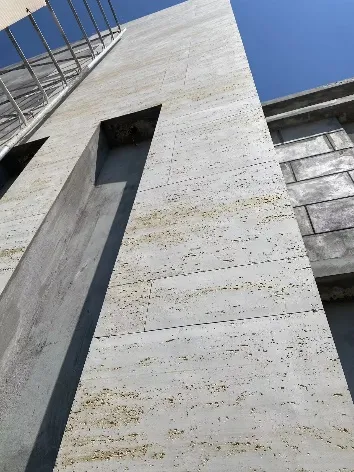
Safety is non-negotiable when selecting building materials, and fire resistance is a critical factor—especially in commercial, healthcare, or educational settings. While MCM panels are not inherently Class A fireproof (unlike specialized products such as class a fireproof cpl inorganic board for hospital and school supplier offerings), their fire performance can vary significantly based on composition and treatment. This makes it essential to verify the fire rating of any MCM panels you're considering.
Look for panels that meet local fire safety standards, such as ASTM E84 or EN 13501, which measure flame spread and smoke development. For projects in hospitals, schools, or high-rise buildings, even a slight difference in fire resistance can have major implications for occupant safety and building code compliance. Some suppliers offer fire-retardant coatings or additives that can (enhance) a panel's fire rating, so don't hesitate to ask about these options if safety is a top priority.
Remember: a lower fire rating might save costs upfront, but it could lead to expensive retrofits or legal issues down the line. Always balance aesthetics with safety—your clients (and building inspectors) will thank you.
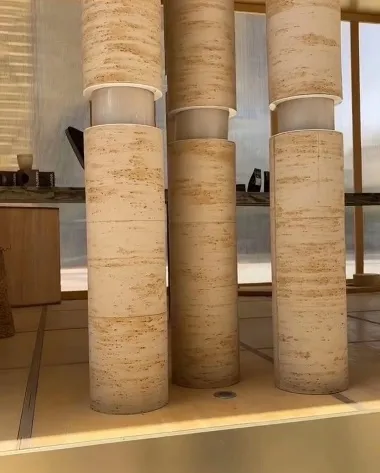
The "flexible" in MCM flexible cladding stone wall panels is more than just a marketing term—it's their defining feature. Unlike rigid materials like porcelain slab tiles or granite, MCM panels can bend and conform to curved, uneven, or uniquely shaped surfaces, opening up a world of design possibilities. But not all MCM panels offer the same level of flexibility, so it's crucial to test this before making a purchase.
Ask suppliers for samples and conduct a simple bend test: gently flex the panel to see how far it can curve without cracking or delaminating. A high-quality MCM panel should be able to bend to a radius of at least 30cm (12 inches) without damage, making it suitable for applications like arched doorways, rounded columns, or curved facades. This flexibility is particularly valuable for modern architectural designs that prioritize fluid, organic lines.
Consider the substrate you'll be installing on, too. MCM panels adhere well to surfaces like concrete, metal, and wood, but their flexibility ensures they can accommodate minor surface irregularities. This reduces the need for extensive substrate preparation, saving time and labor costs during installation. Whether you're designing a feature wall with a wave-like pattern or cladding a cylindrical tower, the right MCM panels will adapt to your vision, not the other way around.
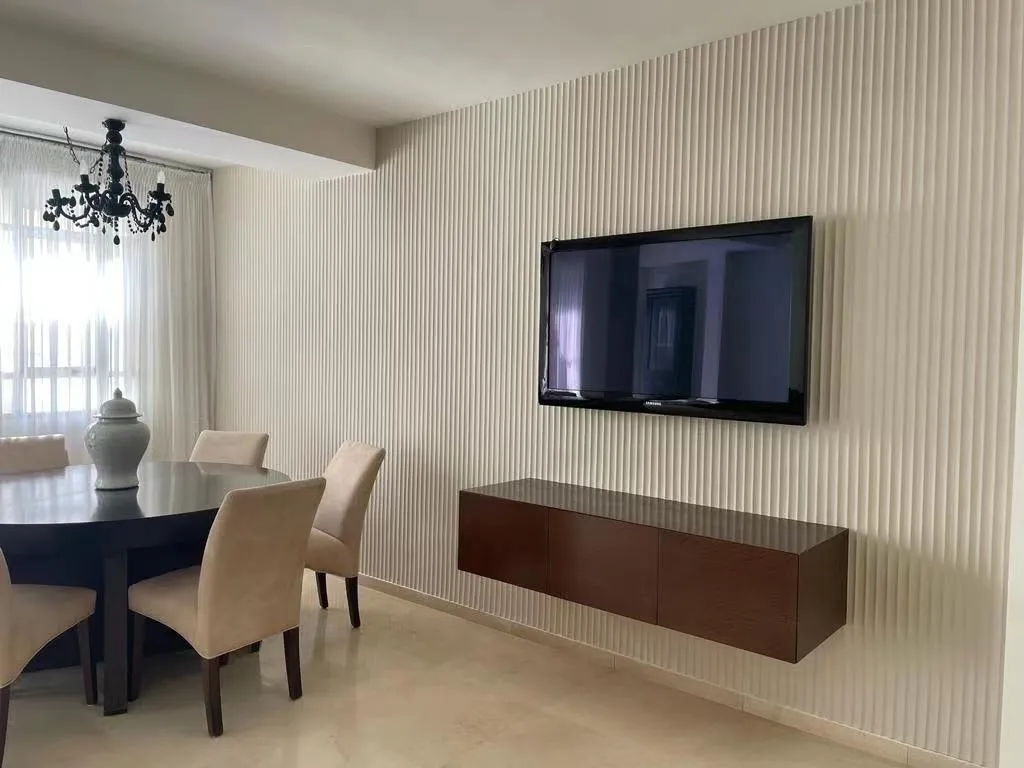
A wall panel is only as good as its ability to stand the test of time—and in the case of exterior applications, the elements. MCM panels are marketed as durable, but their performance can vary based on where and how they're used. For exterior cladding, prioritize panels with strong weather resistance: UV stability to prevent fading, moisture resistance to avoid warping, and thermal stability to withstand extreme temperature fluctuations.
In regions with harsh sunlight, like Saudi Arabia, a panel's UV resistance is especially critical. A low-quality MCM panel might start to fade or chalk after just a few years of sun exposure, ruining the building's appearance. Similarly, in humid climates, moisture resistance prevents mold growth and structural damage. For interior use, focus on scratch and stain resistance—important in high-traffic areas like hotels, restaurants, or retail spaces where walls are prone to bumps and spills.
Don't just take the supplier's word for it: ask for third-party testing reports or case studies of projects in similar climates. A panel that performed well in a temperate zone might struggle in a desert environment, so real-world data is key. Additionally, check the warranty period—reputable suppliers often offer 10-15 year warranties on exterior MCM panels, a sign of confidence in their durability.

Even the best wall panels can become a headache if they're difficult to install or maintain. MCM panels are generally lightweight (typically 3-5 kg per square meter), which reduces installation time and labor costs compared to heavier materials like natural stone or PU stone wall panels. But installation ease depends on more than just weight—look for panels with user-friendly features like interlocking edges, pre-drilled mounting holes, or peel-and-stick adhesives.
Some suppliers offer mcm flexible cladding stone wall panel solutions that include not just the panels but also installation guides, compatible adhesives, and even training for contractors. This "one-stop" approach can streamline the process, especially for teams new to working with MCM. If you're hiring a professional installer, ask about their experience with MCM panels—while they're easier to work with than many alternatives, proper technique is still important to ensure a secure, long-lasting finish.
Maintenance is another area where MCM panels shine, but it's not entirely "set it and forget it." Most panels can be cleaned with mild soap and water, and minor scratches can often be buffed out with a soft cloth. For deeper damage, individual panels can be replaced without removing the entire cladding system, which is a major advantage over materials like solid stone or ceramic tiles. Still, it's wise to ask suppliers about maintenance best practices—some may recommend specific cleaners or periodic treatments to preserve the panel's appearance.
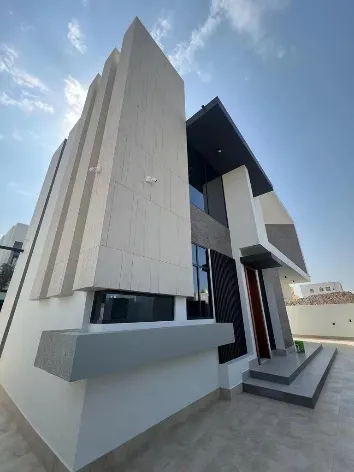
Finally, the supplier you choose will have a huge impact on your overall experience. A reliable mcm flexible cladding stone wall panel supplier is more than just a seller—they're a partner who can guide you through product selection, address technical questions, and support you after the sale. When evaluating suppliers, consider the following:
In markets like Saudi Arabia, where building standards and climate conditions are unique, partnering with a local or regionally experienced supplier can be especially beneficial. A Saudi Arabia building materials supplier with knowledge of local regulations and weather patterns will be better equipped to recommend the right MCM panels for your project, ensuring compliance and performance.
| Supplier Type | Material Quality | Fire Rating | Flexibility (Min. Bend Radius) | Warranty |
|---|---|---|---|---|
| Specialized MCM Supplier | High (Premium minerals + polymers) | Class B (with fire-retardant option) | 25cm (10 inches) | 15 years (exterior) |
| One-Stop Building Materials Supplier | Medium-High (Standard formulations) | Class C (basic fire resistance) | 30cm (12 inches) | 10 years (exterior) |
| General Wall Solutions Supplier | Medium (Budget-friendly blends) | Class D (limited fire resistance) | 45cm (18 inches) | 5 years (exterior) |
*Note: Ratings are generalizations; always verify with individual suppliers.
Even with careful planning, it's easy to fall into common pitfalls when buying MCM panels. Here are a few to watch out for:
Focusing solely on cost: The cheapest panels may save money upfront, but they often lack durability and performance, leading to higher replacement costs later. Invest in quality—your project's longevity depends on it.
Ignoring certifications: Don't skip checking for quality and safety certifications. A panel without proper certification could fail inspections or underperform in critical situations.
Overlooking maintenance: Even low-maintenance panels need some care. Factor in long-term maintenance costs when comparing options—they can add up over time.
Choosing MCM flexible cladding stone wall panels is an exciting step toward bringing your design vision to life. By prioritizing material quality, fire resistance, flexibility, durability, and supplier reliability, you'll ensure that your panels not only look great but also perform well for years to come. Remember, this isn't just a purchase—it's an investment in the safety, aesthetics, and value of your project.
Whether you're cladding a commercial high-rise in Riyadh, designing a boutique hotel in Dubai, or renovating a residential interior in Jeddah, the right MCM panels will elevate your space, combining beauty and functionality in a way few other materials can. Take the time to research, ask questions, and compare options—your future self (and your clients) will be glad you did.
Recommend Products











