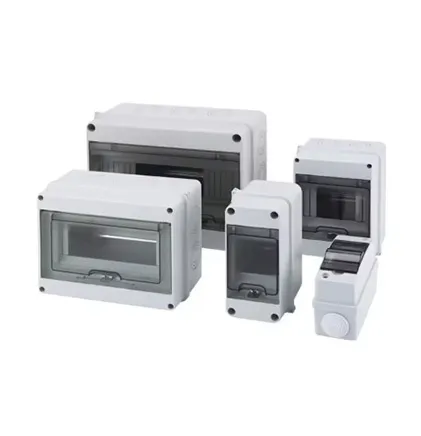
If you've ever wondered why distribution box prices seem to jump around like crickets in a summer field, you're not alone. The truth is, behind every price tag lies a web of choices—from the materials hugging your product to the brand whispering its promises. Let’s unravel this mystery together, no jargon, no fluff. Just straight talk about what really makes your packaging costs swing.
1. Materials: Where the Price Journey Begins
The moment you choose a material, you're locking in up to 60% of your final cost. Sounds dramatic? It is.
-
Cardboard types:
Flimsy recycled vs. rigid virgin fiber? The former saves dollars but might dent your brand's prestige. It’s like choosing between fast fashion and tailor-made suits.
-
Protection layers:
That extra foam insert or moisture barrier? Adds pennies per unit but prevents heartbreak when fragile items arrive shattered.
-
Surface treatments:
Glossy UV coating feels luxurious but costs more than matte finishes. Like picking between satin and cotton sheets—both work, but one screams 'premium'.
Fun fact: Using lightweight alternatives can slash shipping fees by 15-20%. Sustainability isn’t just eco-friendly—it’s wallet-friendly too.
2. Brand Impact: More Than Just a Logo Stamp
Ever notice how identical sunglasses cost triple at a luxury boutique? Distribution boxes play the same game.
-
Tiered brand pricing:
Startup brands often get volume discounts from suppliers hungry for growth. Established giants? They pay 'reliability tax' but negotiate harder.
-
Perception premiums:
Apple could ship products in brown paper bags and folks would call it 'minimalist chic'. Your startup? Needs that foil stamp to justify $2 extra.
-
Brand collaborations:
Special edition collabs (think Nike x Supreme) jack up packaging complexity—and costs—with unique molds and exclusive prints.
The quiet innovation in distribution is digital integration. QR codes linking to unboxing videos turn cardboard into conversation starters.
3. Functionality: Where Practicality Meets Price Tags
That nifty magnetic closure or tear strip isn't just 'nice to have'—it's a math equation suppliers calculate down to the fraction of a cent.
-
Assembly complexity:
Boxes needing manual folding = higher labor costs. Machines love simple origami; humans? Not so much.
-
Security features:
Tamper-proof seals add under 1% to costs but prevent $50,000 counterfeit headaches. It's insurance you can touch.
-
Multi-purpose designs:
Boxes converting into display stands? Brilliant! They also cost 30% more. Recycling potential needs to be part of innovation targets, too.
A bakery client saved 22% by switching from double-wall boxes to reinforced single-wall—same protection, smarter engineering.
The Hidden Price Shifters (No One Talks About)
Beyond the big three, sneaky variables lurk:
-
Order volume sweet spots:
1,000 units might cost $2 each. 5,000? Drops to $1.30. Order 7,000? Suddenly $1.60—because you exceeded factory shift capacity.
-
Geographical roulette:
A California factory charges 20% more than Ohio—but saves 15% on eco-certification paperwork. Yes, bureaucracy has a price.
-
Artwork revisions:
Changing 'cherry red' to 'crimson' post-proof? $200 tweak. Last-minute 'Let’s add QR codes!'? $800 panic tax.
Real Talk: How This Plays Out
Take 'BrewCraft' coffee subscription. Premium brand? Check. Needed moisture-resistant boxes? Critical. Budget constraints? Tight.
They chose:
-
Rigid recycled board with minimal branding → saved 18% vs virgin fiber boxes
-
Matte finish + single-color print → sleek without the UV shine premium
-
Pre-assembled flat pack → cut fulfillment labor costs
Result: Distributors applauded cost efficiency, customers loved eco-credentials—and retention rates jumped.
Your Action Plan: Price Control Without Compromise
Ready to crack the cost code?
-
Template it:
Standardize 2-3 box sizes. Variety kills economies of scale.
-
Partner early:
Involve suppliers in design phase. Their engineers know shortcuts you don't.
-
Audit smartly:
Revisit quotes quarterly. Paper costs fluctuate more than crypto!
Finally: Always test packaging weight! USPS zone skips add up faster than streaming subscriptions.
Wrapping It Up (Pun Intended)
Distribution box pricing isn't about cutting corners—it’s about knowing where to lean. Material choices anchor your costs, brand strategy fuels perceived value, and functional features? They're the silent workhorses justifying every penny.
Armed with these insights, you’re ready to open supplier negotiations like a seasoned pro. Remember: The best packaging balances protection with personality... and never forgets the cost of delivery.
Innovation targets like these push the industry forward—one smart box at a time.